-
Bury 1 spoonful of oil at the bottom of the pot for spider plants and pothos, and the leaves will be glossy green and grow vigorously
Spider plants and pothos are foliage plants. With proper care, their leaves stay glossy green all year round, and both plants are fairly easy to grow. Though easy to grow, they can still develop yellow leaves. For yellowing leaves on foliage plants, there are actually quite a few...
-
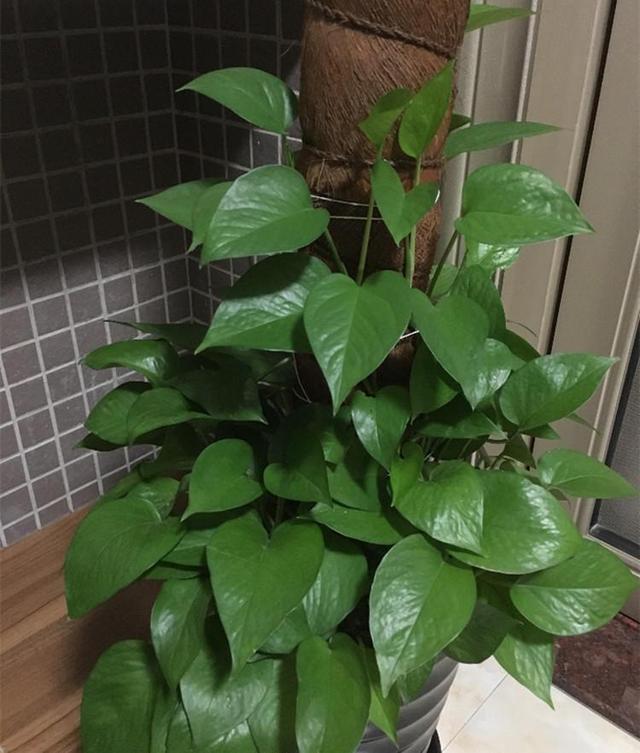
Want your pothos to grow into a big column? You can't do it without pruning
Pothos is a very elegant foliage plant, and many gardening enthusiasts love growing it. But the pothos they grow always has small leaves and a weak, spindly plant that just won't grow. What's going on? In fact, if pothos is never pruned for a long time, it...
-
Is the saying "one pothos, seven ghosts" true?
"One pothos, seven ghosts" is not true; it is just a superstitious saying that has been passed around. Not only does it not attract ghosts, but it can also decorate the home and purify the air, making it very suitable for growing indoors. It can be placed in the living room, on a balcony, or in the dining room for care, but it is not suitable to place in the bedroom, as this is not only bad for its growth but also affects people's rest.
-
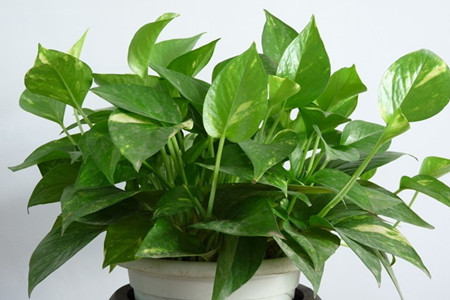
Can Pothos Remove Formaldehyde? Analysis of Indoor Air Purification Effects
Pothos can remove formaldehyde, but the effect is very weak and it cannot be used as the main method of formaldehyde removal. You still need to open windows often; only by keeping the air circulating can formaldehyde be removed. It can absorb harmful gases in the air and can also absorb cooking fumes in the kitchen, making the kitchen and indoor environment fresher.
-
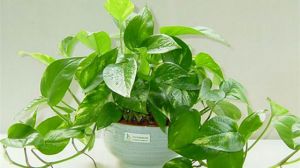
How to care for pothos in summer? Do these few things to get through summer safely
When caring for pothos in summer, you should give it plenty of light, but not direct strong sunlight; you can place it on a south-facing balcony. You also need to replenish water in time, and when temperatures are high you can water a bit more as appropriate. In addition, open the windows often for ventilation, so that pests and diseases do not appear in a stuffy, hot environment. You also need to replenish nutrients in time; you can use rice-washing water or fish-tank water.
-
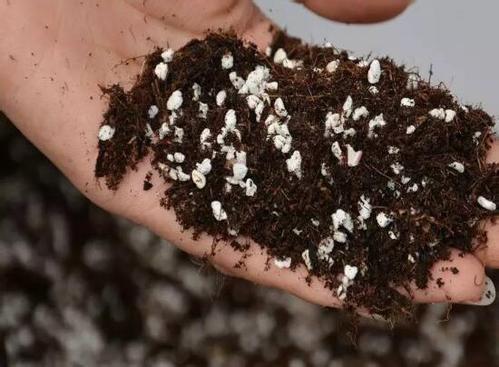
Using this soil for pothos cuttings is truly practical, and in just half a month you can grow 100 pots
Pothos, as a potted plant, I believe most flower lovers are growing it. With its leaves green and glossy all year round, it not only makes the indoor space feel full of vitality and energy, but also purifies harmful gases indoors. Moreover, pothos has strong adaptability and is very easy to keep alive...
-
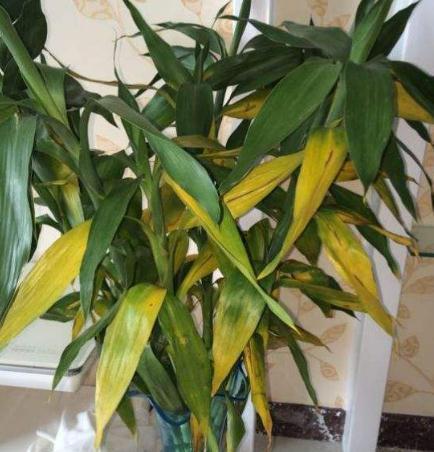
If you put pothos and lucky bamboo in these 2 places, no wonder the leaves turn yellow - move them away right now
With foliage plants, what you're looking at is their lush green leaves. If the leaves turn yellow and dry up, the plant's ornamental value drops. So whether you're growing pothos, lucky bamboo, spider plant or any other kind of foliage plant, you need to keep the leaves...
-
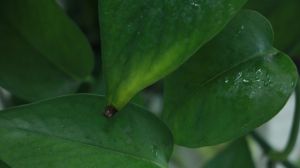
How Often Should You Water a Pothos? Master the Correct Watering Frequency
Watering a pothos should follow the principle of "don't water if it's not dry; when you water, water thoroughly." In spring, water about once every 2-3 days; in summer, water about once every 1-2 days; in autumn, water about once every 4-5 days; in spring, water about once every 3-4 days.
-
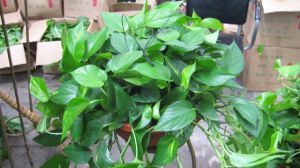
How to propagate pothos? A detailed guide to practical methods and tips
To propagate pothos, you first need to cut a sturdy vine with good growth and no obvious pests or diseases from a healthy, disease-free plant, then remove the leaves on it, keeping only two or three leaves. After that, you need to prepare sterilized potting soil or tap water that has been left to stand and exposed to sunlight for it, and finally insert the vine into the soil or water.
-

How do you grow pothos so it climbs the wall? Master these care methods
If you want pothos to climb a wall, the first thing you need is for it to be sufficiently lush and leafy. You can help it grow more vigorously by appropriately increasing the frequency of watering and fertilizing. Once its vines are long enough, you can place the pot next to the wall, then use your hands to guide its vines so they cling tightly to the wall and arrange them in the effect you want, then fix them in place with clear tape.
条件筛选