How to care for pothos in summer? Do these few things to get through summer safely
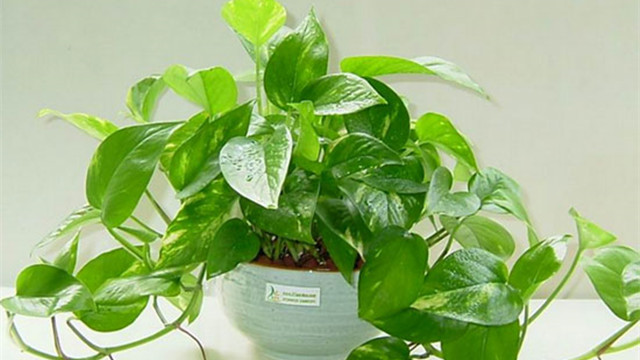
1. Plenty of light
Pothos is a plant that likes sunlight, and its growth requires enough light. It does not stop growing in summer either, so it should be given plenty of light, but do not let it be exposed to direct sunlight. For summer care, you can place it on a south-facing balcony or windowsill, and definitely do not put it outdoors where it will be exposed to strong light.
2. Maintain moisture
In summer, pothos needs plenty of water for growth. Evaporation is relatively high in summer, so you should water it in time, but absolutely do not let water accumulate in the potting soil. On rainy days you can water less to avoid root rot. Before watering, you can look at its leaves; if they appear shriveled and wrinkled, you need to replenish water in time. You can also observe how moist the soil is; if it is in a damp state, there is no rush to water.
3. Proper ventilation
When caring for pothos indoors in summer, keep it ventilated; you should often open the windows at home for ventilation. Summer weather is very stuffy and hot, and a stuffy, hot, and humid environment is more likely to breed bacteria, making the plant very susceptible to pests and diseases. You cannot keep the windows closed and the air conditioner on all day; only by maintaining light while providing proper ventilation can it grow more robustly.
4. Replenish nutrients
When caring for pothos in summer, replenishing nutrients in time is also very important; its rapid growth cannot do without fertilizer. To fertilize it, you can use fish-tank water from home or rice-washing water. If you use rice-washing water, it is recommended to ferment it first to avoid small bugs.