-
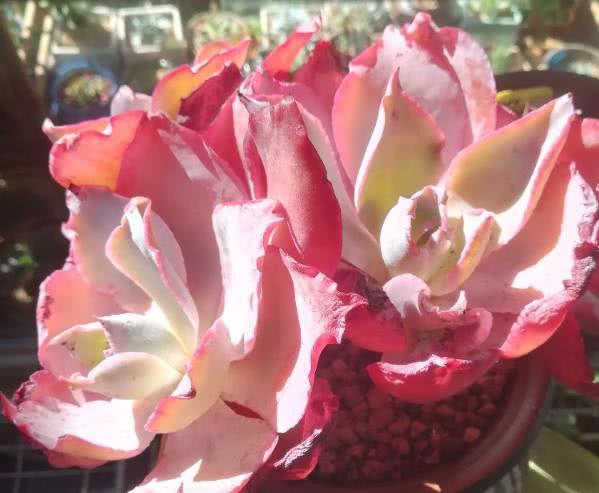
How to make succulents plump in September? It's easy once you master these tips
In September, no matter what type of succulent it is, if it has been kept indoors or in a low-light spot for a long time during summer, it must not be moved directly into strong sun to bake. In mild cases it gets sunburned and scarred; in severe cases it turns to mush and rots from the sun, causing the whole plant to die...
-
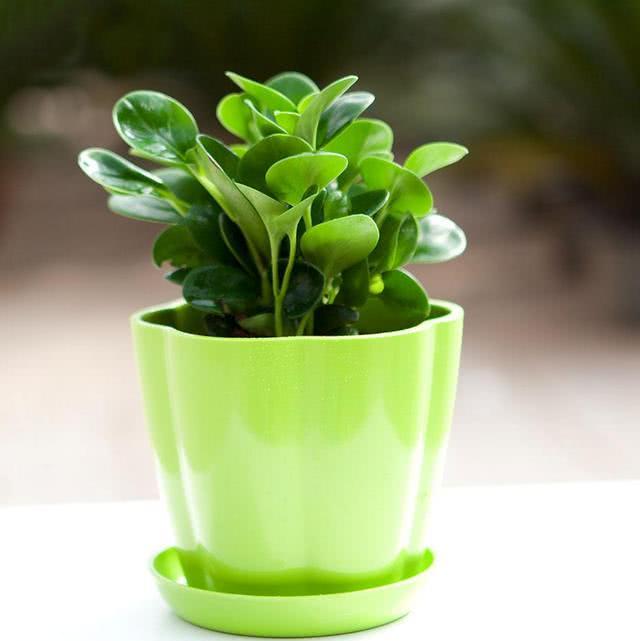
What to do when Peperomia obtusifolia leaves are thin, soft and turning black? Grow them plump, round and glossy this way
Peperomia obtusifolia, also called baby rubber plant, has jade-green leaves that are round, plump and thick, with a dainty and adorable plant shape, making it very suitable for indoor growing and viewing. While being pleasing to the eye, it can also purify indoor air to some extent, especially in newly renovated homes...
-
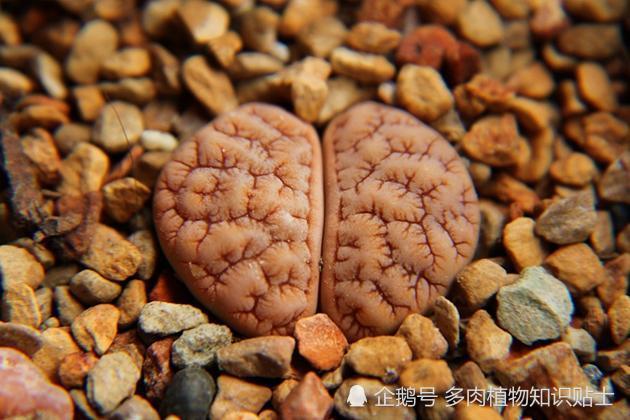
I love the short, flat, and plump ones. Here are some photos of my own selected mother Lithops pseudotruncatella plants.
Thanks to Sunshine Believer for the material. Lithops pseudotruncatella Lithops pseudotruncatella Lithops pseudotruncatella Lithops pseudotruncatella Lithops pseudotruncatella Lithops pseudotruncatella Lithops pseudotruncatella Lithops pseudotruncatella Lithops pseudotruncatella Lithops pseudotruncatella Lithops pseudotruncatella...
-
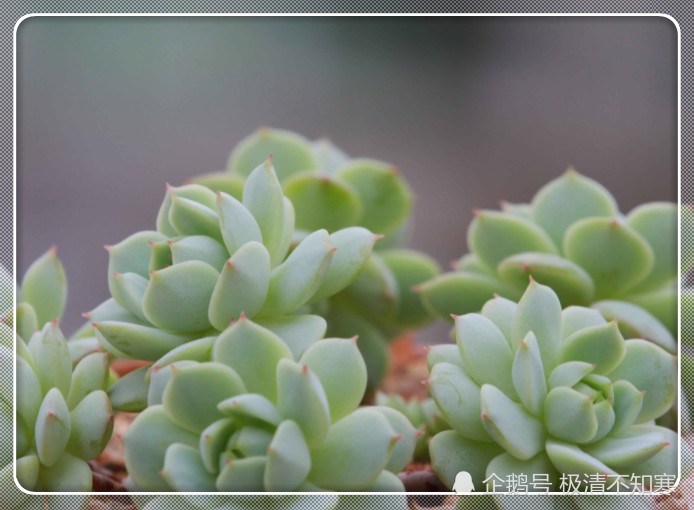
4 Simple and Effective Tricks to Make Succulents Plump Up - Grown This Way They're Chubby and Super Cute
As we all know, the succulent world is probably one of the few "kingdoms" where chubbiness is beauty - the chubbier, the more endearing. But many flower lovers still grow theirs thin and scraggly, not attractive at all. Some gardening friends think that watering more...
-

Secrets to Growing Plump, Beautiful Succulent Leaf Cuttings
Leaf cuttings - one of the propagation methods for succulents. Collect the fallen leaves and sow them like seeds, and you'll have a bountiful harvest next year. If you're just starting out and want to try propagating succulents, it's also recommended to start with leaf cuttings and give up on seed sowing. Below we begin...
-
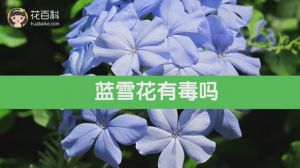
Is the blue snowflower (Plumbago auriculata) toxic? Learn about its toxicity before caring for it
Whether from reference materials or reports, the blue snowflower (Plumbago auriculata) is non-toxic and will not cause harm to the human body. Many plants contain toxins as a result of evolution, and the toxins remain within the plant's body; as long as they are not ingested in excessive doses, there will be no effect whatsoever. When caring for it, you should still avoid letting the sap enter the body, wounds or mucous membranes, and take necessary protective measures.
-
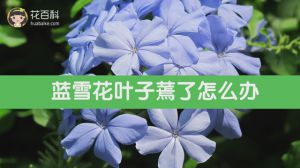
Blue plumbago leaves have wilted, what should I do? Common causes and solutions
There are many reasons why blue plumbago leaves wilt: if it is caused by too dark lighting, it needs to be placed in an environment with sufficient light. If it is caused by excessive drought or waterlogging, you first need to determine whether too much or too little water is the cause, and then control water management. If it is caused by temperatures that are too low, it needs to be adjusted to the ideal temperature value. You must first determine the cause, then take the corresponding measures.
-
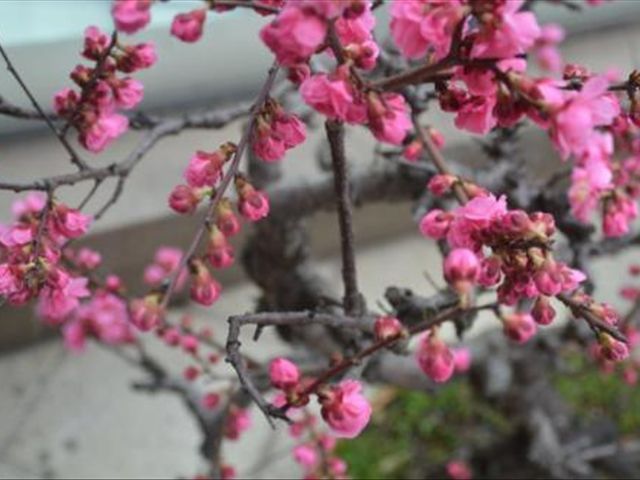
What to Do When a Potted Plum Blossom Loses Its Leaves? Find the Cause and Treat It to Restore Its Vitality
Original title: "When a potted plum blossom loses its leaves, find the cause and solve it correctly to bring the plum blossom back to life!" Summary: Whether in ancient times or in our modern era, the plum blossom has always been deeply loved by people; the plum blossom can be said to be a very...
-
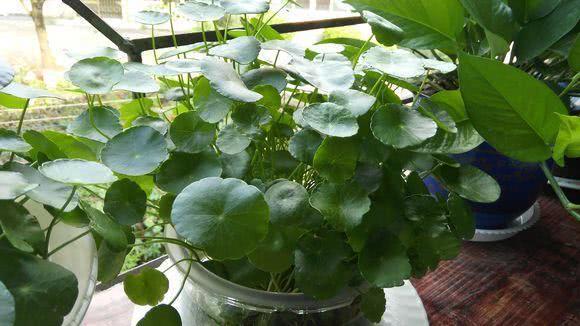
Add a little of this to the pennywort pot, and its leaves will grow round, plump and lush, growing like crazy beyond control
Usually when people grow potted flowers, besides soil culture they also like to grow some plants in water. Among these water-grown plants, pennywort (Hydrocotyle vulgaris) is very popular. The name of pennywort is very auspicious, and its leaves are round, looking...
-

How to grow potted plum blossoms? Cultivation methods and precautions
Plum blossom is a deciduous tree of the genus Prunus in the rose family (Rosaceae), and sometimes the term also refers to its fruit (the plum) or its flowers (plum blossoms). It originated in southern China and has a cultivation history of more than three thousand years. Whether grown as an ornamental or as a fruit tree, it has many varieties, and many types can not only be planted in the open ground for viewing but can also be grown as potted flowers and trained into plum bonsai trunks.
条件筛选