What to do when Peperomia obtusifolia leaves are thin, soft and turning black? Grow them plump, round and glossy this way
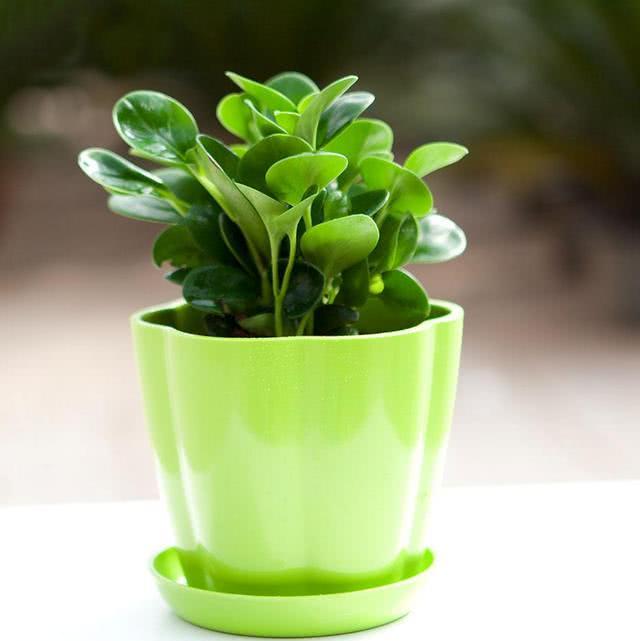
Peperomia obtusifolia, also called baby rubber plant, has jade-green leaves that are round, plump and thick, with a dainty and adorable plant shape, making it very suitable for indoor growing and viewing. While being pleasing to the eye, it can also purify indoor air to some extent, especially in newly renovated homes. Caring for Peperomia obtusifolia is also relatively simple. If you want its leaves to be plump and glossy, pay more attention to the following aspects of care.
1. Soil. Peperomia obtusifolia prefers loose, breathable, well-draining soil. Rotted leaf mold or pine needle soil plus a small amount of garden soil and river sand can meet its growth needs. If long-term watering causes the soil to become compacted, you can use a small tool to regularly loosen the soil in the pot without damaging the roots; loose, breathable soil is more conducive to root respiration.
2. Temperature. In an environment of 20°C~30°C, Peperomia obtusifolia grows vigorously with fast growth of branches and leaves. Above 35°C, Peperomia obtusifolia grows slowly or stops growing; below 10°C, the plant is prone to cold damage. Therefore, during the high-temperature period in summer, mist the leaves frequently to cool them down. When the temperature is too low in winter, be sure to take corresponding warming measures for Peperomia obtusifolia to prevent frozen roots from causing black rot of the stems and leaves.
3. Light. The original living environment of Peperomia obtusifolia is on damp rocks or dead trees, so it does not like strong light. In summer, place it indoors near a windowsill in a ventilated spot with scattered light. In other seasons, when the light is not very strong, it can be kept in a position with ample light to promote photosynthesis and make the leaves even more jade-green and bright. Long-term shade will cause the stems of Peperomia obtusifolia to grow leggy, and the leaves will become dark and lack gloss.
4. Watering. Peperomia obtusifolia likes water and grows luxuriantly in a relatively humid environment. In daily care, you can wipe the leaves with a clean damp cloth, and while keeping good ventilation, mist the leaves to maintain moisture. If the water supply is insufficient, the roots cannot normally provide water to the leaves, which easily causes the leaves to become thin and soft. When watering, do not let water accumulate in the pot either. In an environment with loose, breathable soil and good ventilation, it is enough for the water to be quickly absorbed by the soil and roots after watering. Long-term constantly wet soil in the pot is the main cause of black rot of Peperomia obtusifolia leaves and stems. In winter, when the temperature is low, be sure to wait until the soil is completely dry before watering, to prevent the roots from freezing.
5. Fertilizing. Peperomia obtusifolia is mainly a foliage plant and rarely blooms, and its thick leaves need a sufficient fertilizer supply. In winter and summer, Peperomia obtusifolia grows slowly due to unsuitable temperatures, so you can apply less thin fertilizer or no fertilizer; spring and autumn are the vigorous growth periods of Peperomia obtusifolia. If you want the leaves to be thick and glossy, the stems strong, and more branches to grow, in addition to sufficient nitrogen fertilizer to promote leaf photosynthesis, you should also regularly supplement phosphorus and potassium fertilizer. In daily fertilizing, you can mainly use nitrogen fertilizer or a complete NPK compound fertilizer, combined with frequently spraying a potassium dihydrogen phosphate solution on the leaves, which can make the plant grow more robust and enhance its disease resistance and cold resistance.