-

Occurrence patterns and control methods of soybean sclerotinia stem rot
Soybean sclerotinia stem rot occurs commonly in Heilongjiang Province. In 2001, the disease was relatively severe in Raohe County. In continuous soybean cropping fields, the disease incidence rate was 3%-30%, and in individual fields following American sunflower, the incidence rate reached 50%. In severely affected fields, the crop was even completely lost. 1 Causes of the disease 1.1 Climatic conditions In mid-to-late July, continuous low temperature and scant sunshine
-
How to prevent and control spring soybean virus disease? Detailed explanation of occurrence patterns and control methods
Viral disease is a major disease of spring soybean, causing about 15% yield loss in normal outbreak years and over 50% yield loss in severe outbreak years. 1 Symptoms After spring soybean is infected, the upper leaves first show light yellow-green mottling, and the mesophyll bulges in a blister-like manner along the veins; then the mottling and wrinkling become increasingly severe, the leaves become deformed, the mesophyll protrudes, the leaf margins curl downward, plant growth is clearly stunted, the number of pods decreases, the pods are small and slender, and the pods show deformed symptoms such as flattening and bending. After infected spring soybean matures, the seeds are clearly smaller, and light brown streaks can appear on the seeds.
-
Occurrence Patterns and Control Methods of the Citrus Whitefly
The citrus whitefly, Dialeurodes citri (Ashmead), also known as the citrus whitefly, Tongcao whitefly, and orange-yellow whitefly. In recent years, damage in citrus orchards across the counties (districts) of northwestern Fujian has been extremely severe, spreading from localized outbreaks to contiguous occurrence, with a worsening trend. Adults and nymphs suck plant sap
-
How to cultivate and propagate zinnias properly? A detailed guide to the methods
The side branches of the zinnia fork in a branching pattern. It blooms in summer and autumn, with a solitary flower head at the top of each branch, a flower diameter of about 10 cm, petals in a variety of colors, a long flowering period, and highly varied flower forms, essentially all of them being double-flowered types. It is robust, tolerant of drought, fond of sunlight, and prefers fertile, deep soil. It dislikes
-
How to control aphids on goji berry? Master the outbreak pattern and solve the pest problem in three steps
Aphids are pests found specifically in goji berry growing areas. They gather in large numbers on the backs of tender goji leaves and at the base of the leaves to suck sap, thereby destroying the nutritional content of the goji berry and affecting its flowering, fruiting and fruit-setting rate. Moreover, the
-
What is the special-effect pesticide for watermelon bacterial leaf blight? Detailed explanation of symptoms and disease patterns
Abstract Special-effect pesticides for watermelon bacterial leaf blight: chlorothalonil wettable powder, procymidone wettable powder, mancozeb wettable powder. Main symptoms of watermelon bacterial leaf blight: first, obvious water-soaked small spots appear on the leaf margin on the underside of the leaf, or between the veins,
-
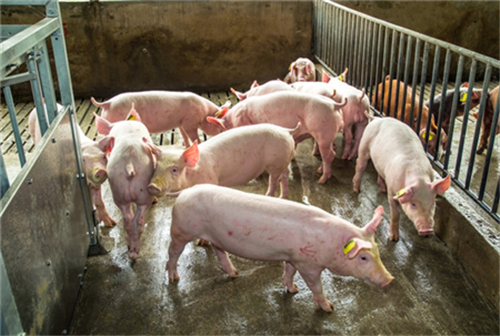
Decay Patterns of Maternal Antibodies in Piglets and Reference Immunization Ages
Decay Patterns of Maternal Antibodies in Piglets and Reference Immunization Ages
-
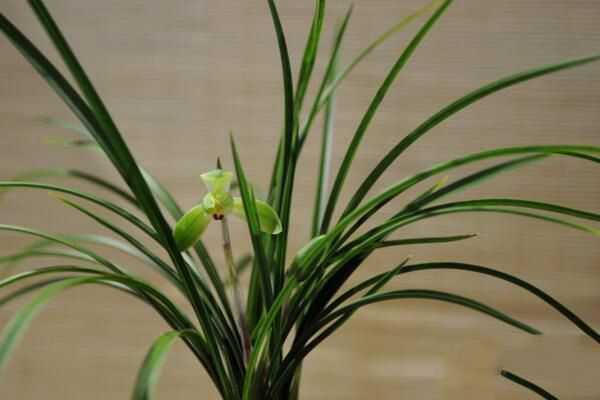
Occurrence patterns and control methods of leaf blight in potted orchids
Occurrence patterns and control methods of leaf blight in potted orchids
-
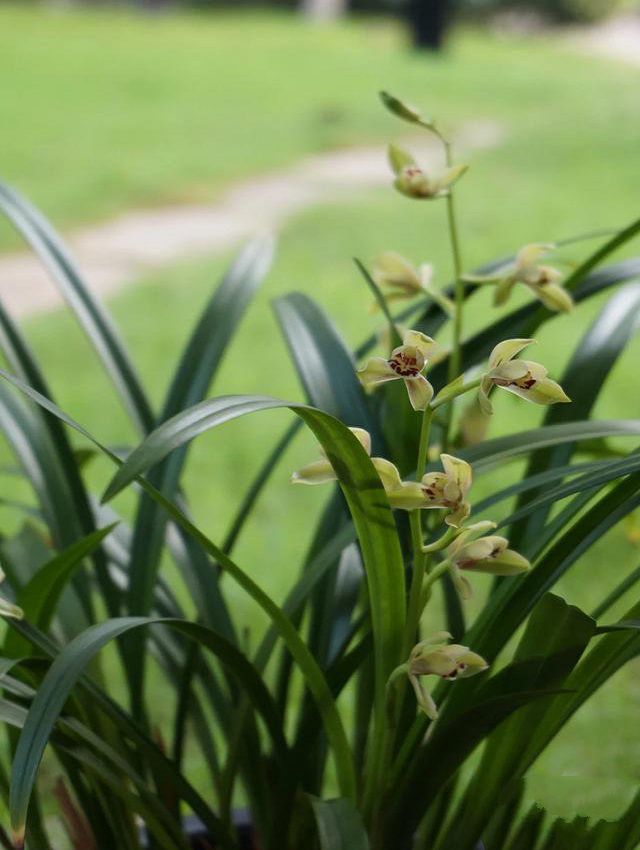
What are the patterns in the humidity requirements of potted orchids?
What are the patterns in the humidity requirements of potted orchids?
-
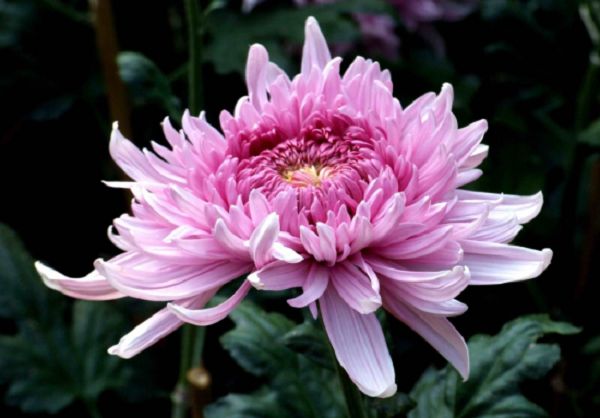
What patterns can be found in the growth and flowering of flowering plants?
What regularities govern the growth and flowering of flowering plants?
条件筛选