What patterns can be found in the growth and flowering of flowering plants?
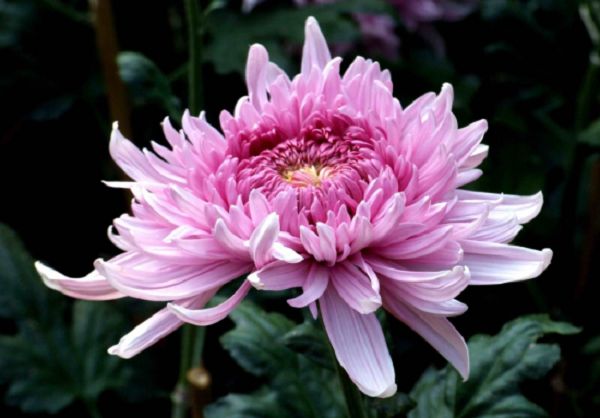
There are many varieties of flowering plants, and each blooms at its own time; some bloom only once a year, some can bloom several times a year, and some bloom only once in many years. But in general, flowering is just a segment of a plant's life cycle. Every plant, like animals, has a life cycle from birth to maturity and then to aging and death. Flowering is the sign that a plant has grown mature and entered the reproductive stage.
Therefore, when growing any kind of flowering plant, if you want it to bloom, you must first make sure it can grow healthily and move from the seedling stage into adulthood. Second, for a flowering plant to bloom, it must also have its own specific environmental conditions, which is also a pattern formed over its long evolutionary history. For example, some plants grow in arid regions; they need to grow rapidly during the rainy season, and when drought arrives they bloom, set seed, and then die, leaving their seeds buried in the soil to wait for the next rainy season. Other plants grow in temperate regions with four distinct seasons; in winter the whole plant loses its leaves and goes dormant, so flowering must occur in the warm season. Some plants must first go through a low-temperature vernalization stage before flowering; some plants can only bloom in autumn, when the daylight period is relatively short, and so on. Only by understanding the regularities of flowering in flowering plants can you grow them well and make them bloom at the right time.