-
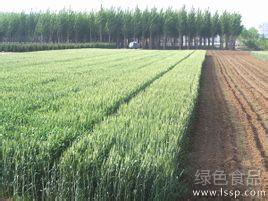
What are the technical characteristics of wheat field intercropping and multiple cropping patterns?
Analysis of the technical characteristics of the "intercropping and multiple cropping" pattern in wheat fields
-
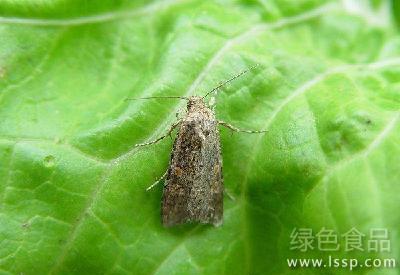
Occurrence Patterns and Control Methods of the Beet Armyworm Pest
Occurrence Patterns and Control Methods of the Beet Armyworm Pest
-

What is the disease pattern of root rot in fuchsia?
Root rot is a physiological disease of fuchsia. Fuchsia likes a cool, moist, semi-shaded, well-ventilated environment, is not tolerant of hot, high temperatures, and dislikes extreme summer heat and stuffiness. The optimal growth temperature is 15 to 25 degrees, and when the temperature exceeds 30 degrees it enters a semi-dormant state. In cultivation, improper water and fertilizer management
-

A Detailed Explanation of the Occurrence Patterns and Control Methods of the Ginger Borer
The ginger borer (also known as the corn borer, belonging to the Lepidoptera order and the Pyralidae family) is a major pest harming ginger. It has a very diverse diet; when causing damage, its larvae bite and feed on tender stems, then bore into the stalk (with frass and insect droppings accumulating at the entry hole), obstructing the transport of water and nutrients, causing the stems and leaves above the bore hole to turn yellow and wilt, and to break very easily under external force. 1. Occurrence patterns. The ginger borer generally produces 3-4 generations per year in our area, and its concentrated damage period coincides exactly with the vigorous growth period of ginger plants. Larvae move between plants to cause damage
-
Occurrence Patterns and Control Methods of the Euonymus Leafroller Moth
The Euonymus leafroller moth belongs to the order Lepidoptera, family Zygaenidae. Its larvae damage the tender leaves and shoots of host plants, feeding on the foliage; in severe cases they strip the branches bare, or even cause entire stands to wither and die. In the Jining region, the Euonymus leafroller moth has one generation per year and overwinters as eggs on the host's branches and shoot tips. The overwintering eggs mostly hatch in mid-to-late March; in sheltered, sunny spots they can hatch 5-7 days earlier, and the hatching peak generally occurs around March 20. A single egg mass can finish hatching in 2-3 days, which coincides with the emergence of new leaves on the Euonymus. From late April to early May, the mature lar
-
A Detailed Explanation of the Onset Patterns of Fusarium Wilt in Japanese Euonymus
Onset patterns of Fusarium wilt in Japanese euonymus: the pathogen is Fusarium existing in the soil. The fungus mostly invades through wounds on the roots, but can also directly invade the plant. It generally begins to develop in mid-May, with July and August being the peak period of onset; some plants go from onset to death in no more than a week.
-
What are the occurrence patterns of the black locust aphid?
Occurrence patterns of the black locust aphid: it produces more than 20 generations a year, overwintering as wingless solitary aphids, nymphs, or a small number of eggs on the roots, stems, and leaves of legumes such as wild alfalfa; in March and April of the following year it reproduces on the overwintering host, and in late April winged parthenogenetic females are produced and migrate to legumes such as black locust (Robinia pseudoacacia) and Chinese scholartree (Sophora japonica) where they cause damage. Damage occurs throughout the year, with the heaviest damage at the early flowering stage of black locust; by October winged aphids again migrate to the host to reproduce, cause damage, and overwinter. The most suitable temperature for aphid reproduction is 19 to 22 degrees Celsius, with relative humidity of 65% to 70%; when the temperature is below
-
What are the occurrence patterns of the black-spotted inchworm on black locust
Occurrence patterns of the black-spotted inchworm on black locust: it has 4 generations a year and overwinters as pupae in the surface soil. In early April of the following year, eclosion begins, followed by mating and egg laying; the egg stage lasts 15 days, and the larval stage about 25 days. In early May, the larvae begin to enter the soil to pupate; the pupal stage lasts about 10 days, after which the first-generation adults emerge, with an adult lifespan of about 5 days. Second-generation adults appear in early to mid-July. Third-generation adults appear in mid-to-late August, and the larvae of the last generation cause damage until mid-September, after which they mature, enter the soil, and pupate to overwinter. Eggs are laid in the cracks of rough bark below 2 m on the tree trunk base, piled into masses and covered with gray down. Newly hatched
-
What are the occurrence patterns of the privet hawk moth (Clanis bilineata)?
Occurrence patterns of the privet hawk moth (Clanis bilineata): In Hebei, Shandong, Jiangsu, Anhui and other places, 1 generation occurs per year, and the mature larvae burrow into the soil at a depth of 10 to 15 cm to overwinter. In early to mid-June of the following year, pupation begins. The pupal stage lasts 10 to 15 days. In early to mid-July, adults emerge, with mid-month being the peak emergence period. During the day, adults rest quietly among branches and leaves, and begin activity in the evening; adults are phototactic. Generally, egg laying begins 3 hours after mating, with eggs mostly laid on the underside of leaves and a few on the upper side. Each female lays an average of about 350 eggs. Adults live 7 to 10
-
How to control broad mites in greenhouses and sheds? Understanding the occurrence pattern is key
In greenhouse fruit and vegetable production, curled and shrunken growing points of plants, deformed and cracked fruits are often seen, causing serious losses to production. Because the temperature and humidity inside the greenhouse are very suitable for the growth and reproduction of broad mites, and fruit vegetables are their main targets, and the mites are extremely small and invisible to people, timely control is impossible. Therefore, in recent years, the area of occurrence and damage has been growing larger and larger, which should attract great attention from producers. Broad mites belong to the class Arachnida, order Acariformes, family Tarsonemidae, and are harmful microscopic pests. They mainly damage cucumbers, eggplants, and tomatoes among greenhouse vegetables.
条件筛选