-

How to comprehensively prevent and control cotton seedling diseases? Master these key points
There are many types of cotton seedling diseases, and they cause severe damage. Among them, the most common and most damaging are damping-off and anthracnose. The incidence rate is generally 20%-30%, and in severe cases reaches 50%-90%. Especially with low temperatures and continuous rain in early spring, cotton seedlings grow weakly and emerge slowly, making them highly susceptible to infection by pathogens, causing large numbers of rotten seeds, diseased seedlings...
-
How to prevent early flowering in mango? These methods are worth mastering
1. The mango leaf-cutting weevil is widely distributed. Adult beetles feed on young mango leaves, causing the leaves to dry up; or the female beetles lay eggs on the young leaves and bite the young leaves off at the base, affecting plant growth. Control methods: ① During the growth period of young shoots, pick up the bitten-off fallen leaves from affected plants once every 3 days, dry them in the sun and burn them to kill the larvae;...
-
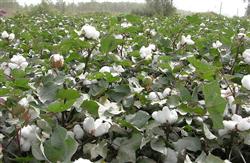
Cotton foliar feeding techniques: master the key points for higher yields
1. Foliar nitrogen spray to prevent premature senescence. When cotton is deficient in nitrogen, the leaves turn pale yellow, the lower leaves wither and yellow, there are few fruit branches, and flowers and bolls are sparse; decline appears at the beginning of boll opening, affecting cotton yield and quality. Spraying method: prepare a 1% urea solution, spray 100 kg per mu, once every 7-10 days, spraying continuously...
-
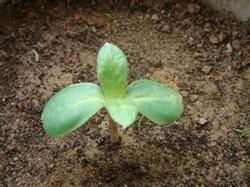
Detailed explanation of clever sunflower cultivation methods, easily master the planting techniques
Land preparation and sowing. Before planting, apply 30-35 dan of farmyard manure or 25 dan of cattle pen manure per mu, add 3 dan of plant ash, and use a plow harrow to make beds 2-2.5 m wide. Spring sowing of sunflowers is from late March to late April; the earlier the sowing, the higher the yield and quality. Either direct seeding or seedling transplanting can be used, with a planting density of 65×60 cm, one seedling per hole. Replanting...
-
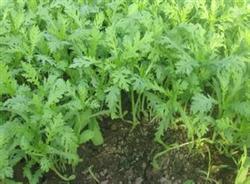
How to Grow Crown Daisy? Master the Cultivation Techniques and Management Methods in One Article
I. Site Selection and Land Preparation Crown daisy cultivation is best suited to sandy loam soil, and convenient irrigation conditions are required. After selecting the site, plow the soil and apply high-quality farmyard manure, applying more than 1000 kg per 0.1 hectare, along with 25 kg of diammonium phosphate as base fertilizer. Make flat beds 1.2-1.4 m wide and 10-20 m long, ready for sowing. II. Sowing and Seedling Raising...
-
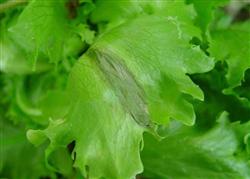
How to prevent and control lettuce soft rot? These methods you need to master
The disease mostly infects from the petioles at the root crown or the base of the roots, initially appearing as water-soaked yellow-brown soft rot with a foul odor. Sometimes soft rot starts from the edges of the outer leaves or the top of the head, and in severe cases the root pith and head rot. The pathogen spreads through watering or insects, invading through wounds and cracks in the plant. The optimum temperature for disease occurrence is 2...
-
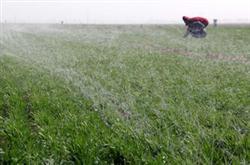
Spring lodging prevention in wheat: these management techniques you need to master
Water and fertilize well at the standing-up and jointing stages. Applying nitrogen fertilizer during the standing-up and jointing stages of wheat can both significantly increase protein content and is a key period for raising wheat yield. Therefore, the standing-up and jointing fertilizer and water should be applied according to local conditions. Wheat grain yield and protein content depend to a large extent on the nitrogen supply level during the development period. At every 66... ⟧3⟧ 1. Spraying paclobutrazol: At the standing-up stage of wheat, spray 30 kg of 200 ppm paclobutrazol solution per mu. This can dwarf the plants, enhance lodging resistance, and also control wheat powdery mildew and improve the plant's absorption and utilization rate of nitrogen.
-
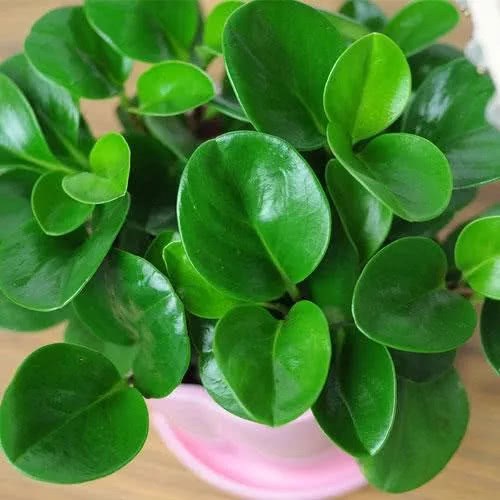
How to grow Peperomia obtusifolia? Master these few tips for thick, green leaves
Peperomia obtusifolia, also called baby rubber plant, is a flower that is very suitable for growing indoors. It is fairly shade-tolerant, and its leaves are emerald green and plump, giving it great ornamental value. Some gardening enthusiasts say the Peperomia obtusifolia they grow has thin leaves and they feel soft, and the main causes of this problem...
-
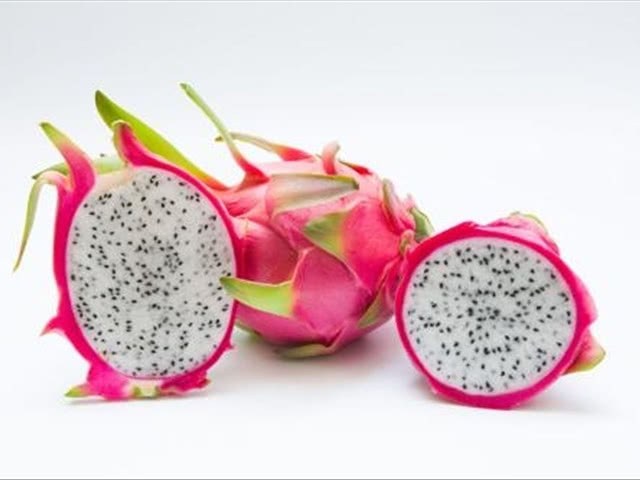
Growing dragon fruit in a pot is not difficult; master these few points and you will get both fruit and beauty
Original title: Growing dragon fruit in a pot is not difficult, pay attention to these few points, and you will have fruit as well as a scenic view! Summary: Dragon fruit is quite expensive now, and many people find dragon fruit very delicious and love eating dragon fruit...
-

Master these 4 stages of fertilizing orchids, and root rot and yellow leaves can all be avoided
Home Gardening Encyclopedia - Teacher Xiao Ye teaches you all kinds of gardening knowledge! Many flower lovers are unclear about how to fertilize orchids. In fact, the best fertilization periods for orchids are spring and autumn, so we should fertilize them according to the patterns of orchid growth. Today...
条件筛选