-

Detailed Explanation of Rice-Fish-Loach Ecological Agriculture Engineering Technology
1. Environmental conditions of the production area: a good ecological environment, far from pollution sources, good air; high, thick and compact paddy field ridges, relatively clayey soil, relatively high soil fertility, and paddy fields with sustainable development capacity; good irrigation and drainage conditions, relatively sufficient water sources, and fresh water quality. 2. Paddy field engineering facilities: dig a ring-shaped ditch around the paddy field, with a ditch width of 1 m and a depth of 0.5 m; surround the field ridges with anti-escape plastic sheeting (40-50 cm above ground, buried 20-30 cm underground); install double-layer anti-escape blocking nets at the water inlet and outlet. 3. Rice, river crab,
-
What kind of fish is the scaled loach? Let's get to know this fish species
Common name: Scaled loach. Origin and season: Distributed in Thailand and the Lancang River system of China. Description: The anterior and posterior nostrils are closely adjacent. The cheeks bulge outward. The mouth opening is broad and arc-shaped. The upper and lower lips are thick, with no obvious wrinkles on the lip surface, and there is a deep notch in the center of the lower lip. The maxillary odontoid process is relatively well developed. The inner side of the first gill arch has 9-10 gill rakers. The base of the pelvic fin originates opposite to or slightly behind the origin of the dorsal fin. The sides of the body have no markings or indistinct vertical bars. A bottom-dwelling fish, living in river tributaries with gravel substrates; individuals are relatively large and it has certain economic
-
What technical points must be mastered for polyculture of fish, shrimp, ricefield eel, loach, crab, and crayfish?
1. Pond selection. The pond is nearly square, with surrounding ditches 8 m wide and 0.6 m-0.8 m deep, the beach surface can be raised with water to 1.2 m, the pond bottom is sandy soil, the water source and water quality are good, and water inlet and drainage facilities are complete. On the inner side of the pond, fine-mesh polyethylene netting is buried in the soil to prevent ricefield eels, loaches, red swamp crayfish, crabs, etc. from burrowing. Asbestos tiles are used as an escape-prevention wall. The pond must be strictly disinfected with quicklime and other drugs, sufficient base fertilizer applied, natural feed cultivated, and aquatic plants such as tarragon and tape grass planted. Around Qingming, a large amount of live river snails
-
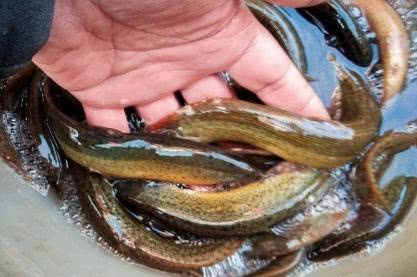
Loach farming is gradually heating up. How much money can one mu of loach pond earn?
When I was a kid, my favorite thing was when the nearby fish ponds were being cleaned out. Every time the water was pumped dry, the muddy pond left behind always had quite a few loaches and small shrimp. But around here there aren't many people who specifically farm loach, which may have something to do with the locals'...
-
A Comprehensive Analysis of Loach and Rice Field Eel Catching Techniques
A Wide-Ranging Discussion of Rice Field Eel and Loach Catching Techniques
-
What is the market prospect for artificial farming of loach?
Question: What is the market prospect for artificial farming of loach?
-
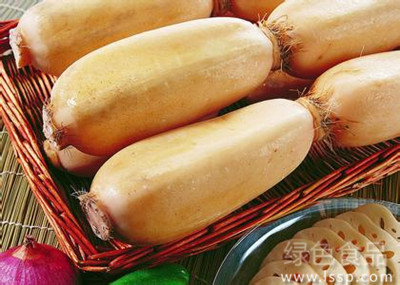
Mixed polyculture of ricefield eels, loaches, silver carp, bighead carp and lotus in the same pond yields fast growth
Eels, loaches, silver carp, bighead carp and lotus: four fish species and one plant growing together in the same pond grow fast
-
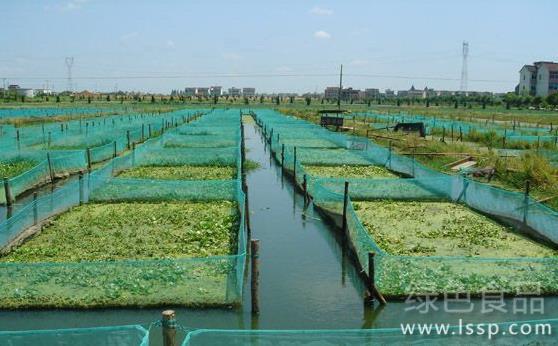
Tender, delicate, light and delicious - high-yield loach farming techniques
Tender, delicate, light and delicious - high-yield loach farming techniques
-
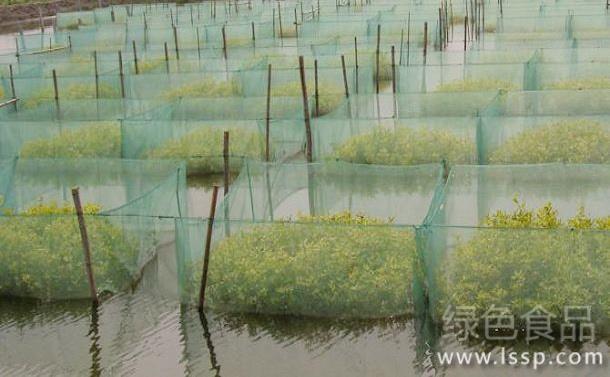
Efficient Loach Pond Farming Techniques: Rational Stocking and Scientific Regulation
Rational Stocking and Scientific Regulation: Efficient Loach Pond Farming Techniques
-
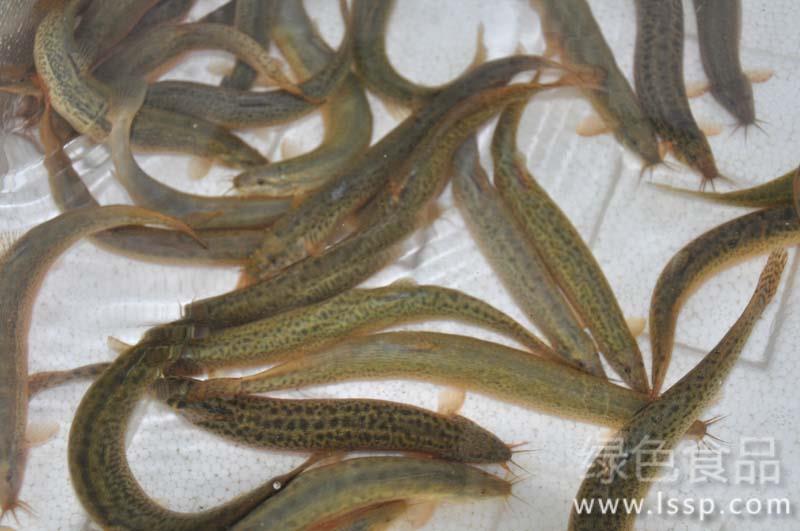
Loach diseases are best prevented rather than treated, so how can prevention work be done well?
Loach disease control focuses on prevention, so how can disease prevention work be done well
条件筛选