Efficient Loach Pond Farming Techniques: Rational Stocking and Scientific Regulation
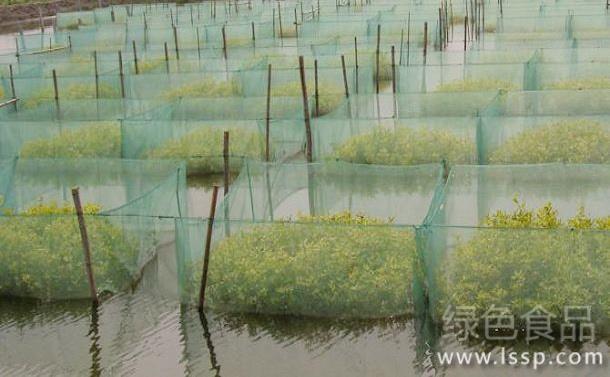
Cage Culture of Loach
The loach is known as the "ginseng of the water." It is a small-sized freshwater economic fish. It has the characteristics of wide distribution, strong reproductive capacity, strong stress resistance, and suitability for high-density farming. In ponds, by scientifically and rationally stocking fry of the proper size and density, carrying out scientific water quality regulation and disease prevention and control, and feeding a full-price compound feed, high yield and high efficiency can be achieved.
Technical key points:
(1) Pond conditions: Choose a pond with convenient water filling and drainage and convenient transportation, preferably 1-5 mu in size.
(2) Preparation before stocking: ① 15 days before stocking the fry, disinfect the pond with quicklime and bleaching powder, and add new water one week later; ② Use polyethylene netting (1.2 m high) to enclose the entire pond along the pond edge, burying the bottom 30 cm into the mud and propping up the top with bamboo poles. ③ After the toxicity of the water has disappeared, pile fermented and decomposed organic fertilizer in the four corners of the pond and in the fish ditches to cultivate natural food organisms in the pond; the application rate of organic fertilizer is 150-250 kg per mu.
(3) Stocking size and density: For loach fry about 700 individuals/kg in size, the usual stocking rate is 30,000-50,000 individuals per mu.
(4) Water quality regulation: When the pond water transparency is greater than 25 cm, additional organic manure should be applied to increase natural food organisms for the loach such as copepods and cladocerans in the pond; when the transparency is less than 20 cm, additional fertilization should be reduced or stopped. The most suitable water temperature for loach growth is 23-28°C. When the pond water temperature is higher than 30°C, the loach will stop feeding and burrow into the mud at the bottom of the pond to escape the heat. In order to extend the loach's growth period, new water should be added frequently during the high-temperature season of the rearing process.