Tender, delicate, light and delicious - high-yield loach farming techniques
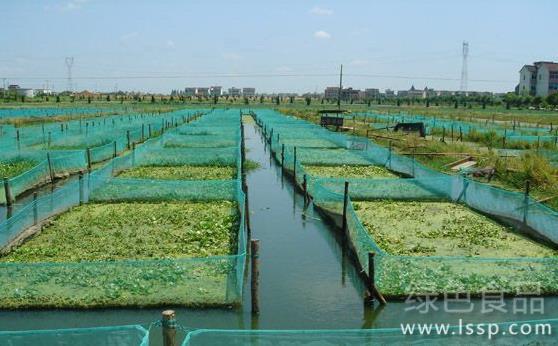
Loach farming
Loach has tender flesh, is rich in nutrients, light and delicious, and also has tonic and medicinal functions, so it has always been loved by people. Liu Dengquan, a science and technology household demonstration farmer at the Houtan farm in Tangdian, carried out a high-yield loach pond farming trial. The trial area was 5×667 sq m. After 4-5 months of farming, the yield per mu was 1820 kg, sales revenue reached 32760 yuan, and net profit per mu reached 10060 yuan. The results were remarkable. The main techniques are introduced as follows:
I. Farming conditions
Loach pond farming requires an ample water source, fresh and pollution-free water quality, and convenient water filling and drainage. The soil should preferably be neutral or slightly alkaline loam, with convenient transportation and guaranteed electricity.
The pond is rectangular with an east-west orientation, with a length-to-width ratio of 2:1, and an area of 5×667 sq m. The pond depth is 0.8—1 m, and the water depth is 0.4-0.6 m. The pond walls should be made of compacted soil, and netting should be placed around the pond perimeter, with the lower end buried 10 cm into the soil and the upper end 20 cm above the water surface, to prevent loaches from escaping and harmful organisms from entering.
II. Stocking model
1. Preparation before stocking
20 d before stocking the loach fry, clean, renovate and disinfect the pond. Use wire mesh at the water inlet and outlet to prevent escape. At the drainage outlet, dig a fish pit with an area accounting for about 1/3—1/5 of the total pond area and a depth of 30-50 cm, and spread a layer of clay rich in organic matter on the pond bottom. 7 d before stocking, disinfect the pond with quicklime. For each 667 sq m of pond with a water depth of 10 cm, use 75 kg of quicklime made into slurry and splash it over the whole pond. 5 d after pond disinfection, add water to 25 cm, and apply 150—250 kg of organic fertilizer per 667 sq m to fertilize the water quality.
2. Fry stocking
For loach fry, select artificially bred fry or wild fry, but all must be uniform in size, free of disease and injury, and agile in movement, and should be stocked all at once. The stocking time is generally in April each year, when the average water temperature is above 15°C. Stock 1100 kg per mu of fry with a size of 80 fish/kg, preferably on a sunny afternoon. Before stocking, soak and disinfect the fry with an 8—10 mg/L bleaching powder solution for 20—30 min.
III.Feeding management
1. Feed feeding
Loach is an omnivorous fish. In addition to fertilizing to cultivate natural food, it should also be fed fish meal, fish paste, silkworm pupae, animal offal, and plant-based feeds such as bran, rice bran, soybean cake, and melon and vegetable leaves. The above feeds can also be used as raw materials to make compound feed for feeding.
The feeding habits of loach are closely related to water temperature. At a water temperature of 16-20°C, plant-based feed is dominant, accounting for 60%—70%; at 21—23°C, animal-based feed accounts for 50%; and when the water temperature exceeds 24°C, increase the animal-based feed to 60%—70%. The specific feeding amount should be flexibly controlled according to water temperature, water quality and weather conditions. In March, the feeding amount is 1%—2% of the total weight of the loach; in [month], the feeding amount is 3%—6% of the total weight of the loach; in July—August, the feeding amount can increase to 6%—7% of the total weight of the loach; in September, the feeding amount gradually decreases to 3% of the total weight of the loach. When the water temperature is higher than 30°C or lower than 10°C, reduce or stop feeding. When the water temperature is suitable, feed once each in the morning, noon and evening every day, letting the loach eat “small amounts but more often.” When the water temperature is lower, feed twice a day. Feeding should follow “four fixed” and “four look” principles.
2. Water quality regulation
The water quality should be “fertile, lively, tender and refreshing.” The water color is best when yellow-green, and the transparency is suitable at 20—30 cm. When the transparency is greater than 30 cm, apply 20 kg of organic fertilizer per 667 sq m each time to increase natural food organisms for loach such as copepods and cladocerans in the pond; when the transparency is less than 20 cm, stop or reduce additional fertilization. In high-temperature seasons, often add new water, replace part of the old water, and regularly turn on the aerator.
3. Daily management
Persist in patrolling the pond morning, noon and evening every day, keep abreast of the water level, water quality and loach feeding conditions, and deal with problems promptly when found. Usually frequently remove weeds around the pond. In high-temperature seasons, use chlorine dioxide once every 15 d, and splash quicklime over the whole pond once every 7 d. In the middle and late stages of farming, apply microbial preparations 1—2 times per month. Frequently check the escape-prevention facilities, repair holes promptly, treat fish diseases promptly when found, and keep a farming diary.
IV. Benefit analysis
After a total of 150 days of farming, 1820 kg of commercial shrimp was harvested per 667 sq m, at a selling price of 18 yuan/jin, with sales revenue of 32760 yuan. After deducting the cost per mu of 22700 yuan (including feed cost of 11600 yuan, fry cost of 10800 yuan, electricity cost of 100 yuan, and labor cost of 200 yuan per 667 sq m), the net profit per mu was 10060 yuan.
V. Precautions
1. In terms of fry stocking, stock large-sized fry as much as possible. This size of fry has a high survival rate and a large weight gain multiple. More importantly, this large-sized fry generally rarely suffers from wheel worm disease. Even if infected, treatment is easy and the mortality rate is not high.
2. When raising loach in ponds, do not feed within two days after the loach fry are put into the pond. Wait until the loach fry adapt to the environment before feeding. At first, splash powdered feed around the pond perimeter, and gradually fix the feeding location on the feeding platform.
3. Loach is good at escaping. Often check whether the fish-blocking facilities are damaged and whether the pond ridges have collapsed, and take timely measures when problems are found. In addition, attention should also be paid to killing and driving away harmful organisms.