Loach diseases are best prevented rather than treated, so how can prevention work be done well?
Because the water area used for loach farming is relatively shallow and mostly still water, the farming water quality can easily deteriorate. Therefore, in addition to paying attention to scientific and reasonable feeding of loach and fertilization, attention should also be paid to appropriate stocking density, and new water should often be added to the water area where loach are farmed, so as to maintain fresh water quality. To do a good job in disease prevention for loach farming, the following points should mainly be addressed.
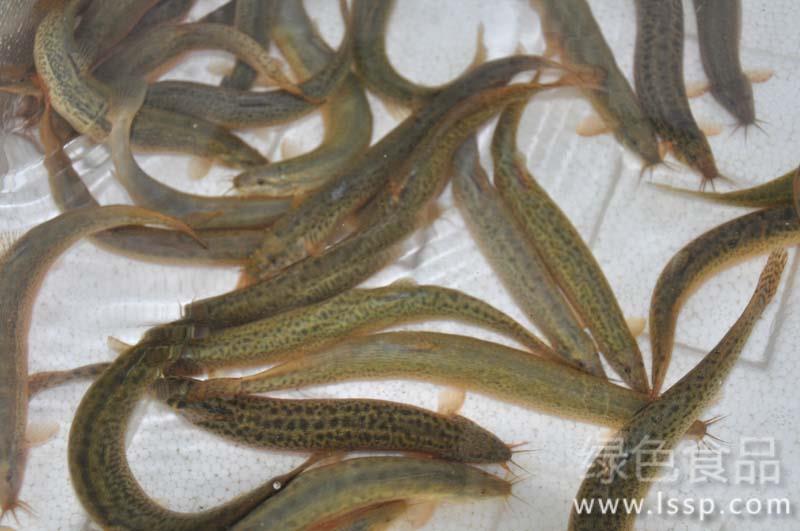
loach
1. Rearing environment. Places sheltered from wind and facing the sun, close to water sources, are relatively suitable for rearing loach. Although loach do not have high requirements for water quality, water areas with excessively high concentrations of chemical drugs or contaminated by pesticides cannot be used to farm loach. Before fry and fingerlings are stocked, the pond must be thoroughly cleaned and disinfected, and some aquatic plants should be planted in the pond so that the loach have a shaded, comfortable and quiet living environment. At the same time, the roots of aquatic plants are also breeding sites for benthic organisms that can provide natural bait for loach.
2. Fry and fingerling quality. Choose loach fry and fingerlings that are disease-free and injury-free, robust in constitution, highly active and smooth on the body surface.
3. Fry and fingerling disinfection. Before loach fry and fingerlings are stocked, it is best to soak them in 2%-3% salt water for 5 minutes to 10 minutes to kill pathogens on their body surface.
4. Stocking density. During loach farming, if the stocking density is low, water resources are wasted; if the stocking density is too high, loach are prone to disease. Generally, stock 100-150 fry and fingerlings of 3 cm-4 cm in body length per sq m, and 50-80 fry and fingerlings of more than 5 cm in body length per sq m. The stocking amount can be appropriately increased when conditions permit; otherwise, the stocking amount of loach should be appropriately reduced.
5. Feed management. Loach are omnivorous fish and especially like to eat tubifex, water fleas and other plankton, but generally it is not suitable to feed animal feed alone, because it will cause loach to overeat, suffer indigestion and abnormal respiration, and die from “bloating”. Feed that is rotten, smelly or spoiled must never be given, otherwise loach are prone to diseases such as enteritis.
6. Water quality management. During farming, an effective measure to reduce farming costs is to do a good job in water quality cultivation. At the same time, water quality cultivation also conforms to the physiological and ecological requirements of loach, can make up for the shortcomings of incomplete nutrition in artificial feed and uneven feeding by loach, and can also reduce the occurrence of loach diseases and increase yield. After loach are stocked, additional fertilizer should be applied in a timely manner according to water quality conditions to maintain water fertility. The water body should always remain in a living and refreshing state.