-
How to Grow Strawberries on a Balcony So They Fruit Four Times a Year
Today I will show you how to unlock strawberry freedom and easily get strawberries to set fruit 4 times a year! 1. Choose the right varieties. Recommended everbearing varieties: everbearing cream strawberry, Monterey, San Andreas and other day-neutral short-day varieties, not limited by day length, and able to bloom and fruit multiple times at 12-28°C. Pitfall warning: four
-

Reasons for Yellowing Leaves on Phalaenopsis After Repotting and How to Fix Them
If Phalaenopsis (moth orchid) is not cared for properly after repotting, problems such as yellowing leaves can easily occur. Today we will explain the reasons for yellowing leaves on Phalaenopsis after repotting and how to fix them. Common reasons for yellowing leaves on Phalaenopsis after repotting. Nutrition: after repotting, the roots have not yet recovered their ability to absorb nutrients, so the plant consumes its own reserves. Light: after repotting, if shade is not provided in time,
-

How do you clean Phalaenopsis orchid leaves? What is best to wipe them with?
Anyone who grows Phalaenopsis orchids knows that if the leaves are dirty, their looks take a big hit, and it also affects their healthy growth. Today let's talk about how to clean Phalaenopsis orchid leaves and what to wipe them with. First, the simple and basic method - rinsing with clean water. Pick a mild, sunny day, move the Phalaenopsis orchid to the bath
-

What does "mature Phalaenopsis seedling" mean, and how does it differ from a semi-mature seedling?
When we buy Phalaenopsis orchids, we often come across the two concepts of "mature seedling" and "semi-mature seedling." So what exactly does a mature Phalaenopsis seedling mean? And how does it differ from a semi-mature seedling? Understanding this knowledge can help us better choose the plant that suits us and improve our success rate in caring for it.
-

When is the peak growing season for Phalaenopsis orchids, and how long is their growth cycle?
Phalaenopsis, a perennial herbaceous plant of the genus Phalaenopsis in the orchid family (Orchidaceae), is deeply loved by flower enthusiasts for its elegant flower form and rich colors. Understanding the peak growing season and cycle of Phalaenopsis is of great significance for its care and appreciation. This article will discuss in detail the peak growing season and growth cycle of Phalaenopsis to help readers
-

How to remove a Phalaenopsis from its pot as quickly as possible? Correct repotting method shared
As a highly favored ornamental flower, the Phalaenopsis may find that its original pot can no longer meet its root development and nutrient needs as it grows, so removing it from the pot and repotting it at the right time is a key operation to ensure its healthy growth. There is much to learn about how to scientifically remove it from the pot and repot it, as well as how to achieve rapid removal. Before deciding to remove the Phalaenopsis from its pot and repot it
-

Reasons for Poor Nutrient Absorption in Phalaenopsis Orchids and How to Solve Them
Many flower enthusiasts encounter the problem of poor nutrient absorption in Phalaenopsis orchids (moth orchids) during care, with plants showing symptoms such as yellowing leaves, slow growth and small, thin flowers. To solve this problem, it is necessary to first clarify the underlying causes and then treat them accordingly. Poor nutrient absorption in Phalaenopsis orchids is commonly caused by improper choice of potting medium.
-
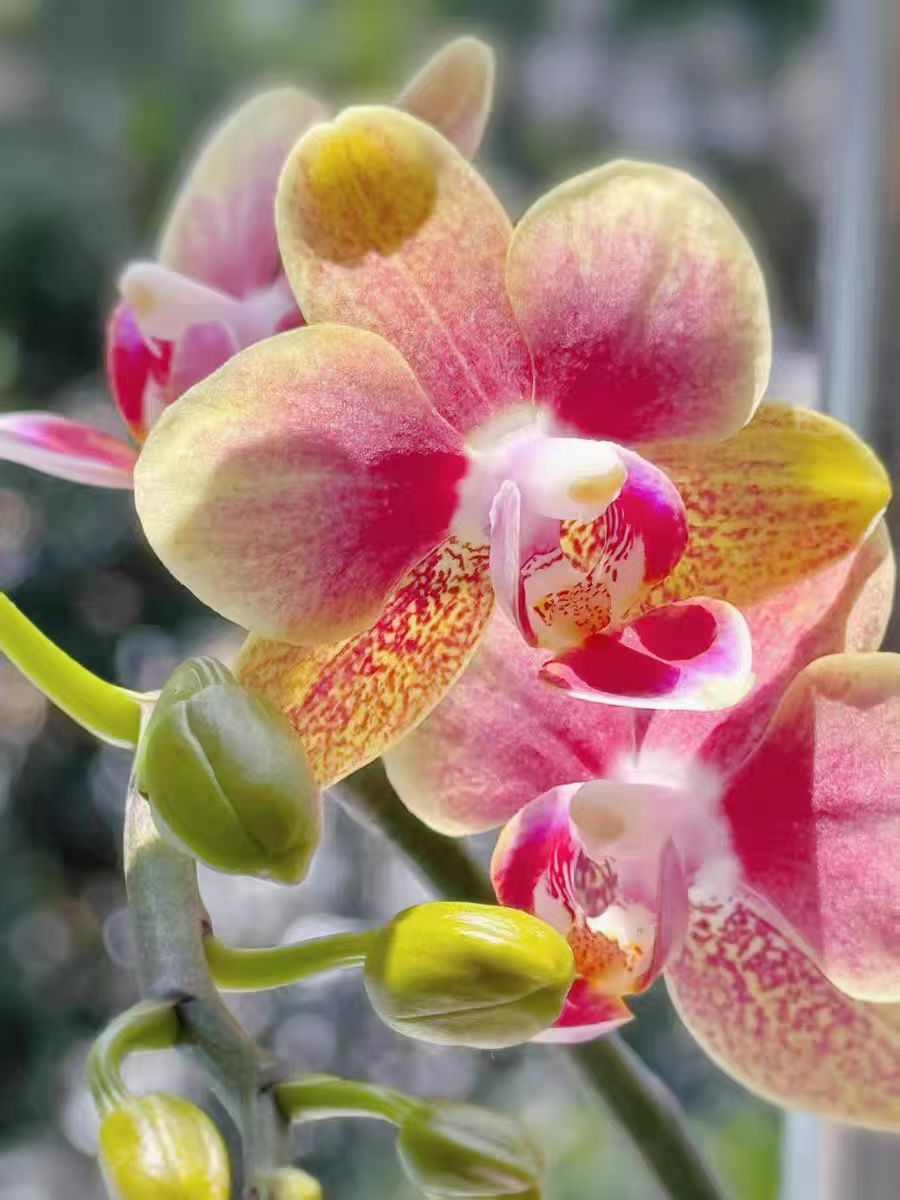
How to Remove and Repot Phalaenopsis?
As a highly - favored ornamental flower, with the growth of Phalaenopsis, the original flower pot may not be able to meet the needs of its root development and
-
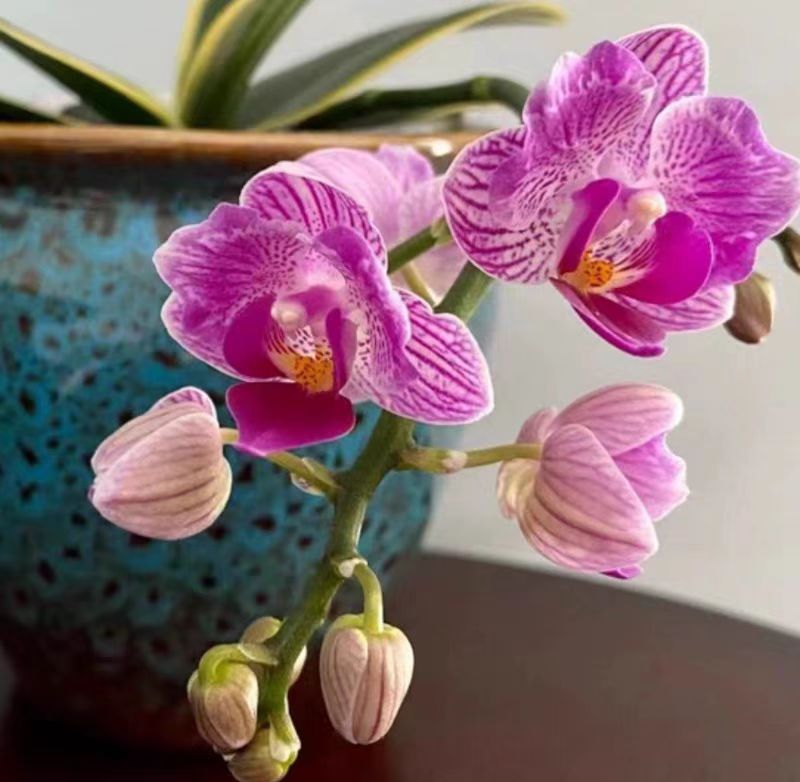
How big is a mature Phalaenopsis plant?
For those new to Phalaenopsis, understanding information about mature plants is crucial. How large exactly is a mature Phalaenopsis plant? What characteristics
-

Reasons for Drooping Leaves on Cherry Tomatoes and How to Fix Them
Don't panic if the tomato plants at home develop curled leaves or start to wilt! First look at the symptoms, then check the environment, and once you pinpoint the cause you can "treat the right problem." 1. Environmental problems. 1. Too hot and the soil too dry: the leaves curl upward into a tube shape and turn a dark, dull green, and the plant looks limp and droopy. This happens most easily under blazing summer sun or when overcast, rainy weather suddenly clears up. Solution:
条件筛选