-
What is the difference between summer-blooming and winter-blooming Phalaenopsis orchids, and how long does the summer bloom last?
If you want to grow Phalaenopsis orchids, winter blooms and summer blooms are not the same, and everything from flowering to care involves a lot of know-how, so below I will share how to grow them beautifully. Differences between winter blooms and summer blooms 1. Blooming time Winter blooms generally open from November to February of the following year, right around New Year's Day and the Spring Festival; summer blooms are a summer exclusive, from June
-

How to Grow Phalaenopsis with Few Roots So It Develops a Vigorous Root System
Behind the elegant flowers of the Phalaenopsis orchid lies the support of a strong, well-developed root system. During care, many growers run into the problem of a Phalaenopsis having few roots, which not only affects the plant's growth but may also hinder flowering. So how exactly can you get a Phalaenopsis with few roots to produce more roots and thus develop a vigorous root system? First,
-
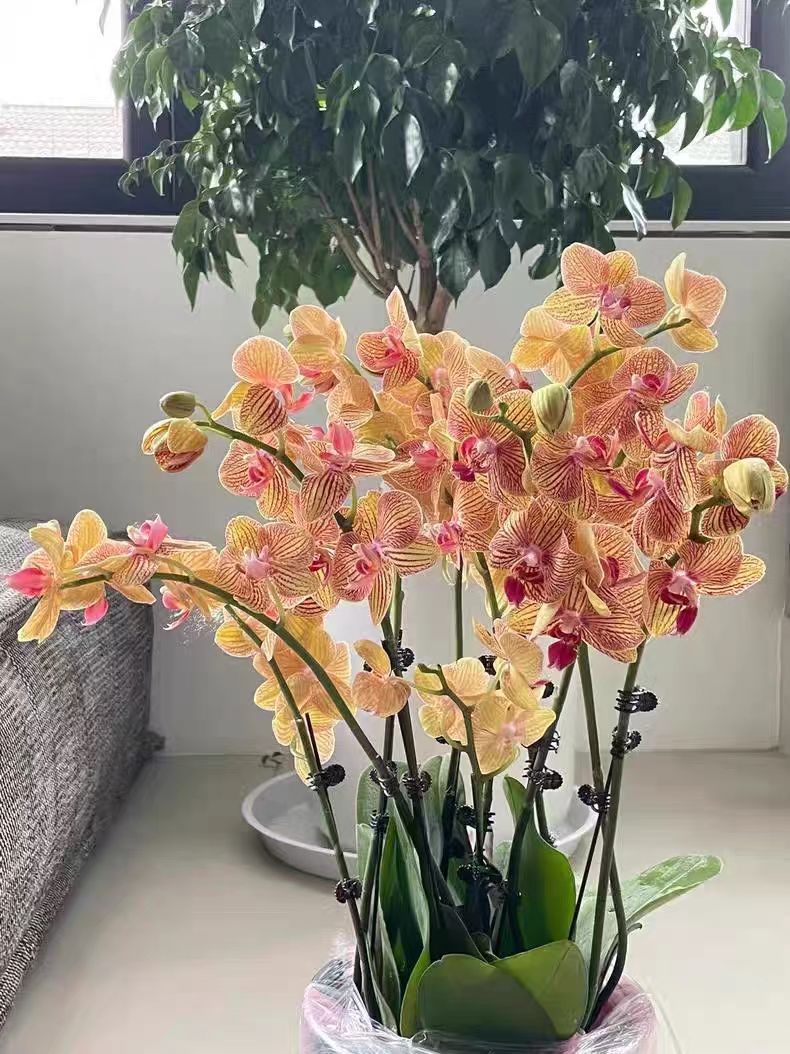
How to Deal with the Unpleasant Odor of Phalaenopsis Roots?
In the process of phalaenopsis cultivation, many flower lovers may encounter a troublesome problem - the roots of phalaenopsis emit an unpleasant odor. This
-
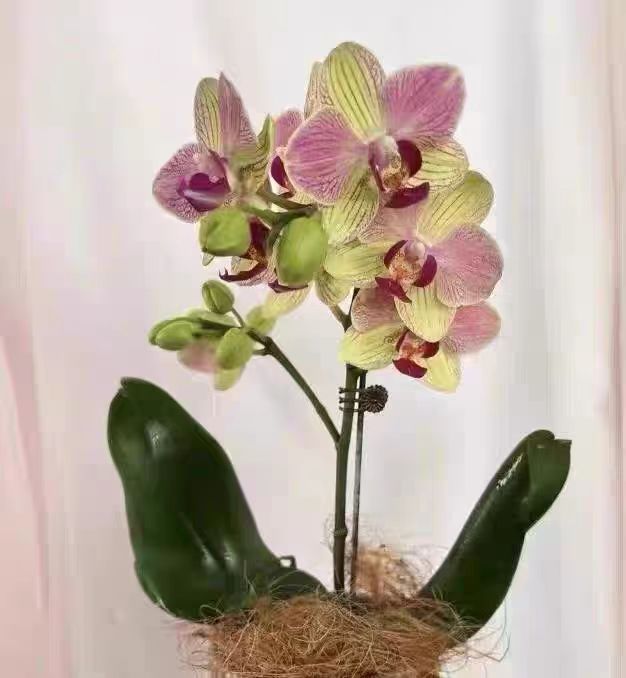
How many types of roots do moth orchids have?
In the diverse world of flowers, apart from their stunning blossoms, the root systems of moth orchids (Phalaenopsis) are equally intriguing. These roots,
-

How many types of roots does a Phalaenopsis orchid have? A detailed explanation of root functions
In the vast and diverse world of flowers, beyond its stunning blooms, the Phalaenopsis orchid's root system is equally full of mystery. These roots of varying forms are not only key to the plant's survival but also carry unique biological functions. From appearance and function, Phalaenopsis roots can mainly be divided into aerial roots and underground roots, but as a typical
-

How to deal with odorous roots in Phalaenopsis?
During Phalaenopsis care, many flower growers encounter a troubling problem - the roots of Phalaenopsis give off an unpleasant odor. This odor not only affects the indoor environment, but also signals hidden dangers to the plant's health. To effectively solve the problem, you must first identify the root cause of the odor, then "treat the cause accordingly." The most common causes of root odor
-

How does the Phalaenopsis orchid absorb water and nutrients?
The Phalaenopsis orchid, whose flowers resemble butterflies with spread wings, has petals that are mostly broad and round, with colors commonly seen in white, pink, purple and multicolored varieties, and an inflorescence that is slender and graceful, giving it high ornamental value. To keep this delicate and beautiful Phalaenopsis orchid growing healthily, it is crucial to understand its mechanisms for water uptake and nutrient absorption. The unique root system of the Phalaenopsis orchid
-
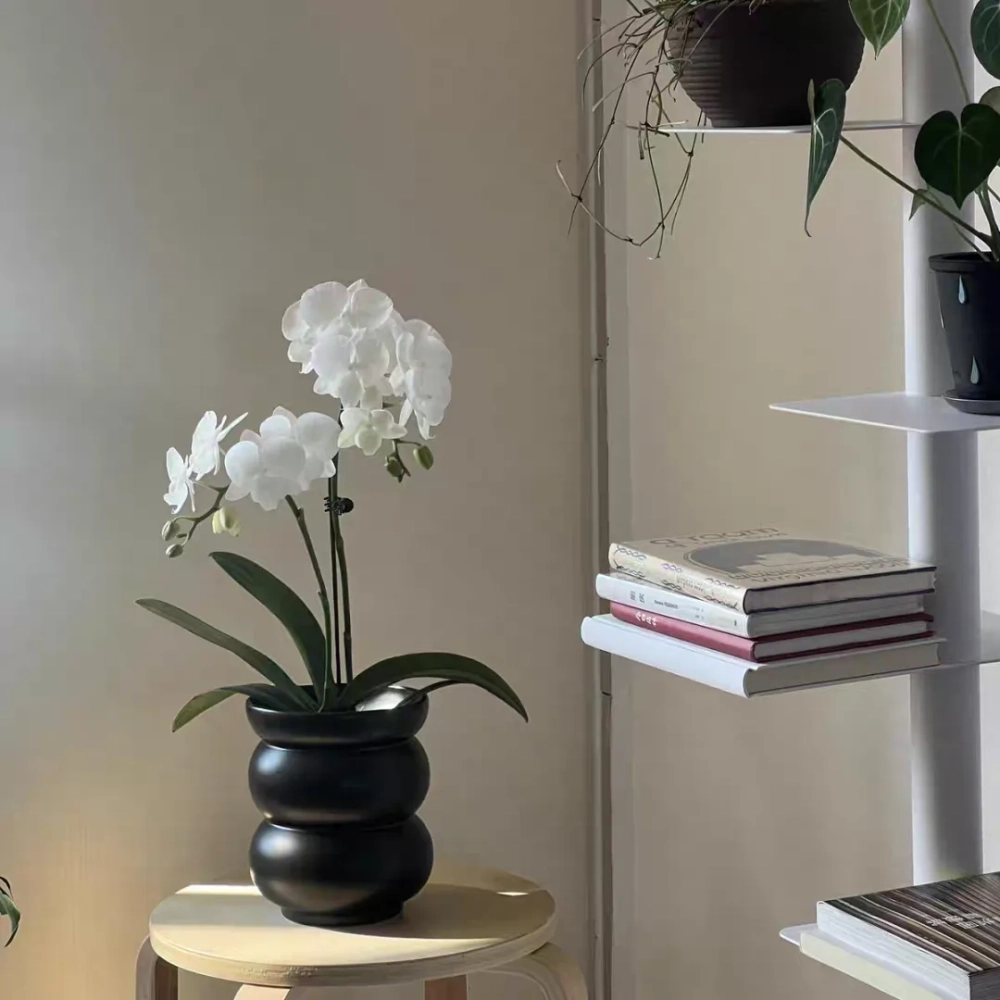
How to cultivate flower spikes after Phalaenopsis (moth orchid) blooms fade
Want your blooming Phalaenopsis (moth orchid) to rebloom? By mastering the right maintenance techniques, you can not only increase the success rate of
-
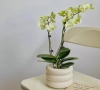
Can a Phalaenopsis orchid's withered and yellowing buds still be saved? Here's how to remedy it
The worst thing about growing flowers is when buds you've been looking forward to suddenly wilt. Below, let's talk about the causes of withered and yellowing Phalaenopsis orchid buds and how to solve them. 1. Environmental causes. Temperature. Phalaenopsis orchids love a constant temperature environment of 25-28°C during the day and 18-20°C at night. In winter, in a heated room with fluctuating temperatures, or with air conditioning blowing directly on them, the buds immediately freeze and
-

How do you use the flower spike of a Phalaenopsis orchid to grow plantlets after it finishes blooming?
Want to make a Phalaenopsis orchid that has already bloomed flower again? As long as you master the correct care method, you can not only improve the chances of reblooming, but also possibly get the surprise of "mother and child on the same plant." Flower spike: after the flowers fade, it is only worth propagating if the spike is still emerald green; if it has turned yellow and shriveled, just cut it off. The best pruning position is at the 2nd-3rd node counting up from the spent flower
条件筛选