-
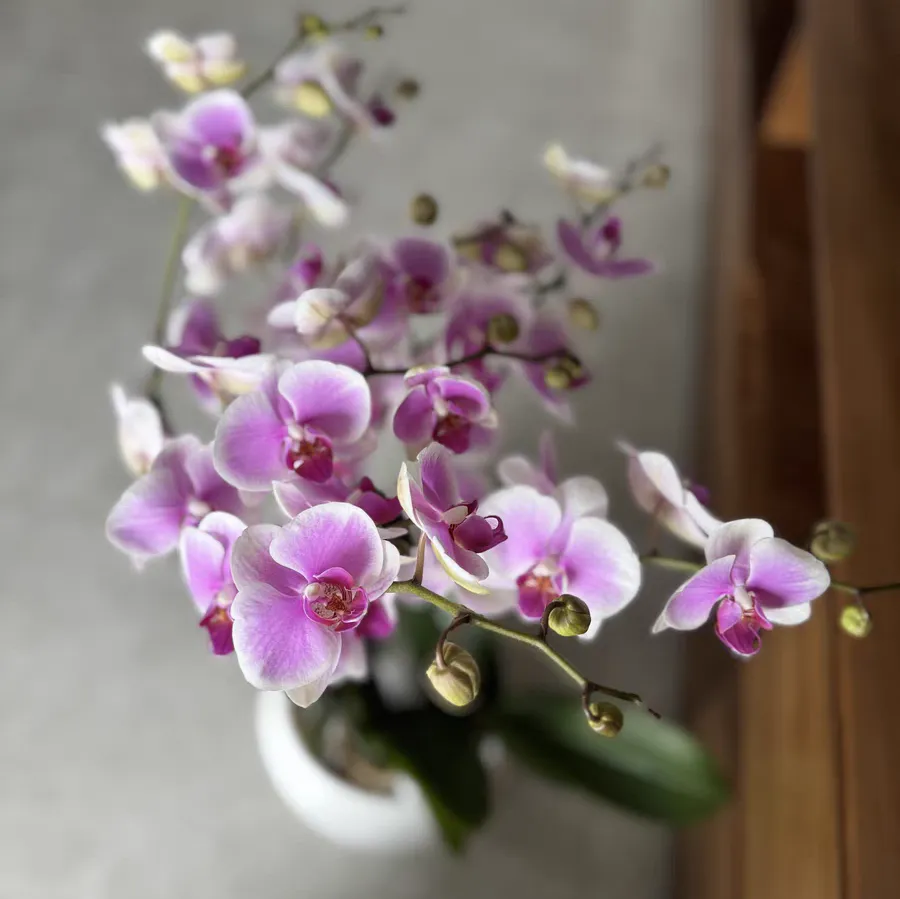
How to Revive Stunted Phalaenopsis Orchids
Got a stunted Phalaenopsis that refuses to flower? The trick might be in these proven blooming techniques to kickstart stalk growth! ### 🌡️ **1. Temperature
-

Which plants tend to wither in summer? How to get high-temperature flowers through the summer
As soon as summer arrives, the temperature shoots up, and some plants are naturally afraid of heat, unable to withstand the high-temperature "roasting test," drooping their heads or even withering outright. Today I will share a few little tips to help plants get through summer cool and comfortable! Fuchsia: fuchsia blooms look like little lanterns and are super pretty, but they are a real struggler when it comes to getting through summer. Once the temperature exceeds
-

How do Phalaenopsis orchids absorb nutrients, and what fertilizer should be used when the leaves turn yellow from malnutrition?
Many flower lovers who grow Phalaenopsis orchids notice yellowing leaves and few flowers, and their first reaction is malnutrition! But have you ever thought about it: this plant doesn't grow in soil, and it isn't watered any less than usual, so where exactly does it absorb nutrients from? Phalaenopsis orchids are quite different from ordinary plants! The roots of Phalaenopsis have an amazing ability - aerial roots
-
What causes white granules and mold on Phalaenopsis roots, and how do you deal with it?
Have you ever noticed dense white spots sprouting from the roots when growing Phalaenopsis? Don't panic, this could be southern blight or Leucocoprinus birnbaumii fungus. Today we'll teach you step by step how to tell them apart and give first aid. 1. Identifying southern blight. Southern blight is an extremely stubborn fungal disease! In the early stage, white thread-like growth appears on the roots, as if wrapped in a layer of
-

How to care for a Phalaenopsis that grows a flower spike in summer, and can it be exposed to sunlight?
Seeing a Phalaenopsis send up a flower spike in summer is normally a happy event, but the hot and humid weather hides hidden dangers, and scientific management is needed to avoid growth problems and allow the flower spike to grow smoothly and bloom abundantly. 1. Watering 1. In summer, ambient humidity is often above 50%, and at this time the Phalaenopsis root system becomes more sensitive to moisture. It is recommended to use a wet
-

Why Tomato Leaves Turn Yellow and Wither, and How to Treat Them with Medication
Have you ever come across yellowing, withering leaves when growing tomatoes? In fact, yellowing and withering leaves are not caused by a single reason. Today I will explain the causes and the remedies. Nutrient deficiency symptoms: leaves turn yellow and growth is slow, with different deficiencies showing different signs. Nitrogen deficiency: older leaves turn yellow first, and the whole plant is short, thin and weak. Iron deficiency: new
-
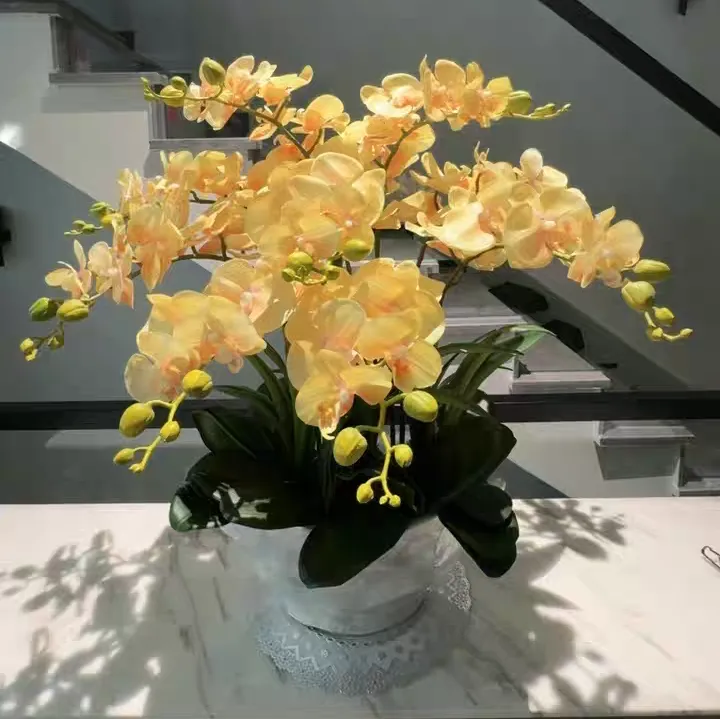
How to Maintain Phalaenopsis Orchids During Dormancy
Don't throw away your Phalaenopsis orchid after its flowers wilt! With proper dormancy care, it can rebloom spectacularly next year. Here’s a step-by-step
-

How to tell if orchid bark has molded and how to deal with it?
Growers of Phalaenopsis orchids have surely run into this: while watering, you poke around the bark and suddenly find something white and greenish inside, and you panic instantly! Is this bark moldy? And if it really has mold, how should you handle it? Many beginners can't tell the difference between normal bark decomposition and mold. Here are a few super simple
-

What size pot for a large Phalaenopsis orchid, and how often to spray fertilizer?
Friends who grow Phalaenopsis orchids often run into this situation: the large plants at home keep growing sturdier and sturdier, but you don't know what size pot to repot them into; you want to spray a little fertilizer to supplement nutrients, but you can't quite pin down the spraying frequency. Generally speaking, a large Phalaenopsis orchid refers to a plant over 25 cm tall, with 4 - 5 mature leaves,
-
How to care for Phalaenopsis during its dormant period? Keep these precautions in mind
Never throw away the Phalaenopsis (moth orchid) at home after its flowers fade. As long as you master the care methods for the dormant period, it will bloom again and fill its pot with flowers next year. Today I will show you step by step how to care for it scientifically, so the Phalaenopsis can rest well and build up strength for its next bloom. Light management: Phalaenopsis is a semi-shade plant, and during the dormant period it is especially afraid of direct strong light! Too strong sun
条件筛选