-
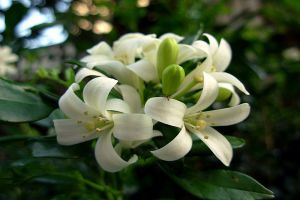
How to grow Orange Jessamine? A full breakdown of cultivation methods and precautions
Specifically, there are five key points in total. The first is soil quality: it needs to be nutrient-rich and loose, preferably sandy soil. The second is water: the general principle is "dry-wet cycle" (water when dry, let it dry out between waterings). Next is light: it needs a great deal of light, and you must ensure five to six hours of sunlight a day. After that comes temperature: the most suitable range is 20 to 32 degrees. In winter, it must not go below five degrees at the lowest. Finally, there is pruning: in spring, cut away the very dense and leggy branches.
-
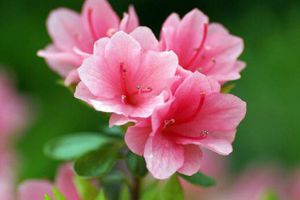
How to grow four-season azaleas? Cultivation methods and precautions
To grow this flower well, the most important thing to pay attention to is water. We need to give it water with a pH below 7.0, and the water temperature must also be suitable. Top up the water promptly in normal times and do not let its potting soil dry out. In addition, we must prevent some pests from attacking it, and promptly remove the spent flowers after the blooms fade.
-
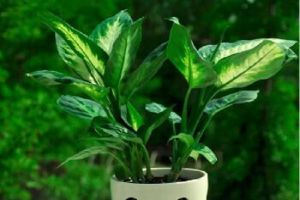
How to care for the Silver Emperor? Detailed guide to growing methods and precautions
The first thing is the growing medium; its requirements are not very high, though it grows better in garden soil. The second is water: it likes high-humidity environments and is fairly tolerant of moisture. So water must never be lacking. However, after November, the amount of water given needs to be reduced. Temperature also needs attention, with 20-30°C being the most suitable. In addition, its light requirements are not especially great; usually, placing it somewhere with diffused light is enough. Finally, there is fertilizer. During the growing season, fertilizing once a month is fine; in the cold season, no fertilizing is needed. Now, let's look at the specific details below.
-

How to grow Japanese quince? Detailed guide to cultivation methods and precautions
The key point of cultivation is to provide conditions suited to the plant's growth habits based on how it grows. It is best to use loose, breathable, slightly neutral potting soil, give it enough light, keep the soil moist at all times, and supply fertilizer appropriately. Do these things, and you can basically ensure it will grow vigorously.
-
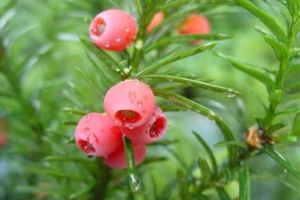
Reasons for dried-up leaves on yew (Taxus) and how to fix them
There are many causes of this problem, and we need to apply the corresponding treatment based on the specific cause. If it is caused by too much water, then reduce the frequency of watering; if it is caused by insufficient light, then appropriately increase the light; if it is caused by the pot being too small, then repot it into a slightly larger pot; if it is caused by a lack of nutrients, then supplement it with an appropriate amount of fertilizer.
-
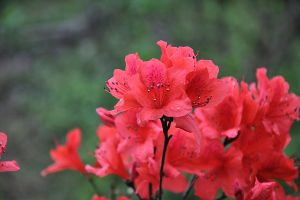
Why Azalea Leaves Turn Black and How to Fix It
This problem can mainly be attributed to five aspects. The first is water: too much or too little won't do, it needs to be just right. The second is the fertilizer issue, which likewise should not be too much or too little. Then there's air humidity: if it's too low, it can also cause this condition, so you should spray some water as appropriate. The fourth is light that is too intense, which can scorch the leaves and turn them black, so you can adjust its position. The last one is disease, specifically "brown spot disease," which causes its leaves to turn black; in this case you need to deal with the diseased leaves first, then spray the fungicide.
-
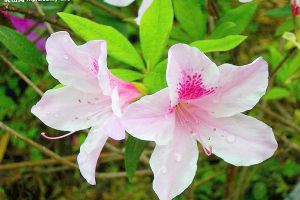
Reasons for Drooping Azalea Leaves and How to Fix Them
I wonder if you have noticed that sometimes the azaleas we grow develop drooping leaves. So what causes this phenomenon? Actually, it may generally be due to too much water, or it may be due to poor air circulation. At this point, what we need to do is water it, or let it get some air. Of course, there is another reason, which is that the roots cannot absorb water, and so on. Generally, it is best to treat the specific cause. Next, let us explain the specific process for solving this phenomenon.
-
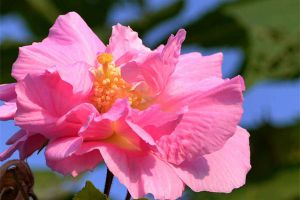
Reasons for Yellowing Leaves on Hibiscus and How to Fix Them
Because the flowers themselves are large in form and vivid in color, they have a long history of cultivation in China. Some flower lovers enjoy growing this type of plant, but some have run into the problem of leaves turning yellow, which needs to be analyzed in terms of water and fertilizer.
-
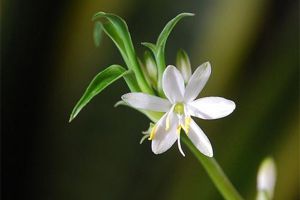
Reasons for Dry Tips on Variegated Spider Plant Leaves and How to Fix Them
Some gardeners find that after growing it, the leaf tips of their variegated spider plant (Chlorophytum comosum 'Vittatum') start to wither. Let's look at what to do from three aspects: light, fertilizer and water.
-

条件筛选