-

What to Do About Root Rot in Ginger Lilies? Trim Off the Rotten Roots and Some Leaves, Replant, and Strengthen Prevention
The roots of the ginger lily are rather fragile. If watering is done carelessly during cultivation or if there is a problem with the soil, the roots may be damaged or even rot. Once this happens, the ginger lily may wither and die. So what should you do about root rot in ginger lilies? Let me tell you the causes and the solutions.
-
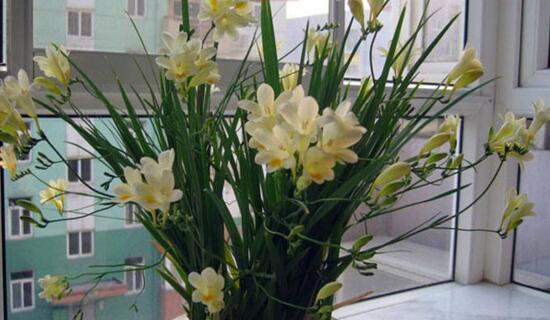
How to grow potted ginger lily? Master five cultivation tips and it will fill the pot
Ginger lily not only has beautiful flowers, it also has high edible and medicinal value. Many flower lovers choose to grow it precisely because ginger lily has so many benefits and uses. However, before growing it, you need to have some understanding of its cultivation techniques. So how do you grow potted ginger lily? Let's take a look at the cultivation methods for ginger lily
-
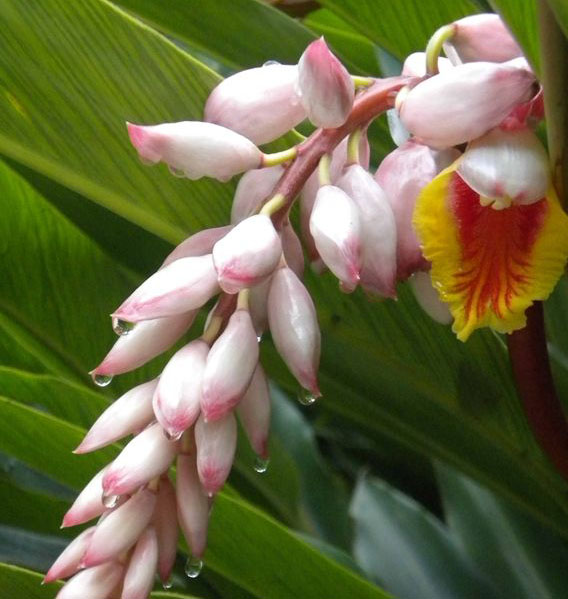
What are the common diseases of variegated shell ginger?
Variegated shell ginger is commonly affected by leaf blight and brown spot. In the early stage of leaf blight, spray 200-times Bordeaux mixture 2-3 times at intervals of 7-10 days. For brown spot, spray 1000-times thiophanate-methyl solution.
-
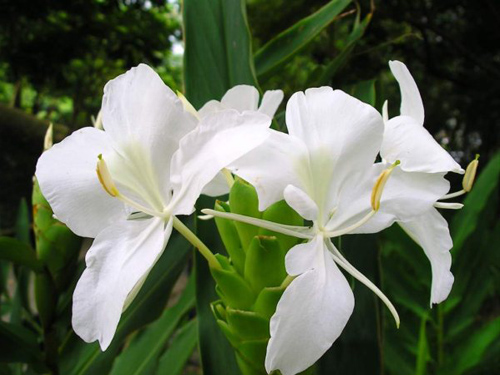
How to grow ginger lily? Introduction to and care for butterfly lily, garland flower, and ginger lily
Ginger lily (butterfly lily, garland flower, ginger lily) scientific name: hedychiumcoronarium. Aliases: wild ginger lily, butterfly ginger, garland flower, butterfly flower, white butterfly flower, fragrant snow flower, yehansu, ginger lily, turmeric. Morphological characteristics: underground stems tuberous, creeping horizontally and aromatic, shaped like ginger
-

How to fertilize ginger for high yields? These key fertilization points you need to master
Key points for high-yield ginger fertilization
-
A Detailed Explanation of the Occurrence Patterns and Control Methods of the Ginger Borer
The ginger borer (also known as the corn borer, belonging to the Lepidoptera order and the Pyralidae family) is a major pest harming ginger. It has a very diverse diet; when causing damage, its larvae bite and feed on tender stems, then bore into the stalk (with frass and insect droppings accumulating at the entry hole), obstructing the transport of water and nutrients, causing the stems and leaves above the bore hole to turn yellow and wilt, and to break very easily under external force. 1. Occurrence patterns. The ginger borer generally produces 3-4 generations per year in our area, and its concentrated damage period coincides exactly with the vigorous growth period of ginger plants. Larvae move between plants to cause damage
-
How is exported ginger sprout produced? Key technical points explained in detail
Exported ginger sprouts are cultivated similarly to conventional ginger, using a densely planted "small ginger" variety with many branches, at a sowing density of 10000 plants per mu; the main cultivation and management techniques are: applying more base fertilizer, topdressing and watering early, promoting early branching and growth of the ginger, and paying attention to shading. Ginger sprout production can be carried out from the stage when the ginger has grown full seedlings all the way to the ginger harvest period. Softened ginger sprout production requires focusing on the following key steps: (1) Build a good cultivation site. A cultivation room converted from an idle house, warehouse, or a greenhouse or solar greenhouse can be used.
-
Causes and Control Methods of Ginger Bacterial Wilt
1. Symptoms The pathogen attacks the roots and the underground and aboveground stems. The affected underground fleshy stem initially becomes water-soaked and yellowish-brown, loses its luster, and then the internal tissues gradually soften and rot, leaving only the outer skin. Squeezing the diseased part exudes a dirty white turbid juice with a foul odor; the affected roots also turn pale yellowish-brown and eventually rot completely. The affected aboveground stem turns dark purple, and the internal tissues turn brown and rot, leaving fibers behind. The affected leaves appear wilted, turn pale yellow, with curled edges, and eventually the whole plant dies. 2. Pathogen This disease is caused by the bacterium Pseudomonas solanacearum (P
-

Detailed Guide to Dried Ginger Cultivation Techniques: Planting Methods and Management Points
Cultivation Techniques for Dried Ginger
-
How to store ginger seed stock well? A detailed guide to innovative storage techniques
After harvesting ginger, first spread it out in a ventilated, dry place for a few days; once the surface water on the ginger rhizomes has dried, put them in a storage pit. Before storage, first carry out the following treatments: 1. Disinfect the ginger seed stock by soaking it in a 60% thiophanate-methyl wettable powder solution at 800 times dilution, or soak 600 kg of ginger seed stock using 10 g of sweet potato preservative mixed with 100 jin of water for seed soaking and disinfection; 2. Disinfect and kill insects in the storage pit by spraying the pit with a mixture of 50 g thiophanate-methyl and 30 g kuaishate added to every 15 kg of water. After disinfection is done, place the ginger seed stock into the storage pit, install the exhaust pipe, and seal the pit when the room temperature is below 12°C
条件筛选