-
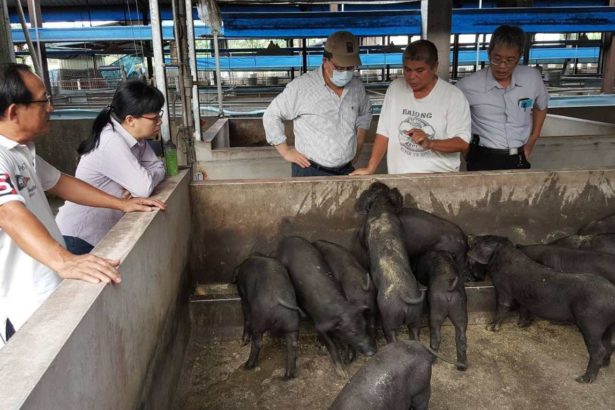
Black pigs undergo a more scientific transformation: the Livestock Research Institute develops dedicated feed, pig farmers look forward to more research and development
A more scientific era for black pigs! The Livestock Research Institute develops dedicated feed, pig farmers: looking forward to more research and development, moving toward transformation and development
-
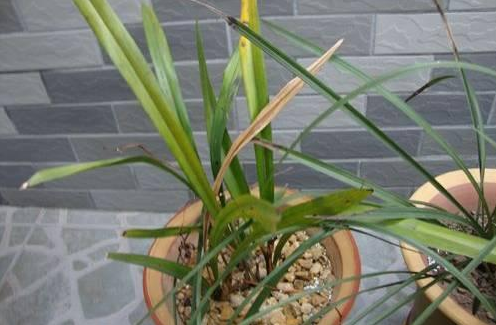
What to Do When Orchid Leaves Turn Yellow, Wither, Develop Disease Spots, and Roots Rot
When it comes to the orchid, this is a plant that many people absolutely adore. Just hearing the name conjures up elegance, but keeping an orchid thriving is no easy task. Let's take a look at why orchid leaves turn yellow, wither, and roots rot. What to do when orchid leaves develop spots: Why leaves turn yellow
-

New upland rice variety developed in Shandong, agronomist Xu Defang successfully breeds it
In the golden autumn season, a new upland rice variety carefully cultivated over 3 years by Xu Defang, an agronomist at the Dongying Branch of the Shandong Academy of Agricultural Sciences, has achieved a bumper harvest. According to calculations, it yields more than double that of the current upland rice variety 297, with a yield of 600-650 kg per mu, marking a breakthrough in China's upland rice breeding. Xu Defang used more than 30 ancestral lines provided by Professor Li Zichao of China Agricultural University, discovered a dwarf-stalk mutant line from the tall-stalk line 33-1, and from it selected a group of 9 lines, namely early-maturing, glutinous, early
-
New cotton variety Suza 3 successfully developed in Jiangsu
The new cotton variety "Suza 3", jointly bred by the Institute of Industrial Crops of the Jiangsu Academy of Agricultural Sciences and other institutions, has been successfully developed and recently passed national new variety approval in Jiangsu Province. It is reported that this is Jiangsu Province's first two-gene transgenic insect-resistant hybrid cotton. Tests show that it has strong resistance to common pests such as the cotton bollworm and the pink bollworm. According to experts, at present the insect-resistant cotton in the cotton region of China's Yangtze River basin generally has only a single insect-resistant gene - the "BT insect-resistant gene", while Suza 3, in addition to containing the above gene, also has the "C
-
What conditions do edible fungi need for growth and development?
Understanding the nutritional and environmental requirements for the growth and development of edible fungi, creating suitable environmental conditions during cultivation, and cultivating mushrooms scientifically are the only ways to achieve high yields and increase profits. 1. Nutrients needed for the growth of edible fungi Carbon, nitrogen, mineral elements and auxins are the nutrients essential for the growth of edible fungi; wood, sawdust and the like are rich in cellulose, hemicellulose and lignin, and are the carbon nutrition needed by edible fungi; wheat bran, rice bran, soybean cake meal, cornmeal, urea and the like contain abundant nitrogen and are the nitrogen nutrition needed by edible
-
Analysis of the Characteristics and Development Prospects of the Toad Jujube
The Toad Jujube originated in Yongji County, Shanxi Province, and is the main local cultivar. The Toad Jujube tree is vigorous, tall and large, relatively upright in posture, with strong central leader dominance. The jujube heads are reddish-brown, with relatively well-developed stipular spines. The jujube spurs are relatively large, with medium sprouting capacity, and the bearing shoots are medium to long. The leaves are large, long-ovate, dark green. The flowers are large, with a medium-to-high flower count, and are of the night-opening type. The Toad Jujube fruit is somewhat rough in surface, with relatively thin skin, brownish-red, with purple-black spots, thick flesh, loose and crisp texture, sweet taste and abundant juice, and superior quality. Fresh fruit contains 28%-
-
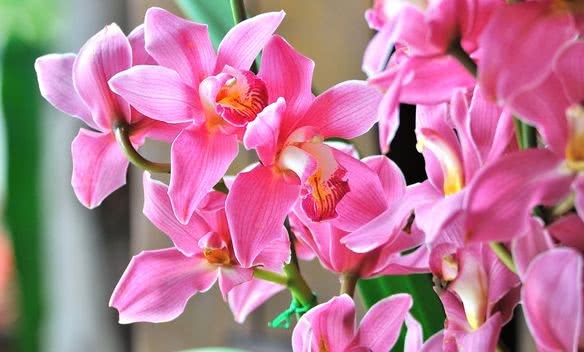
Cymbidium orchids originated in India, and world varieties were developed through hybridization in China
Cymbidium orchids are also called Himbi orchids and cicada orchids. They are plants of the Orchidaceae family, genus Cymbidium. They are some of the more strongly epiphytic large-flowered species in the genus Cymbidium native to India, Myanmar, Thailand, Vietnam, southern China and other regions, as well as artificial hybrids mainly obtained using these...
-
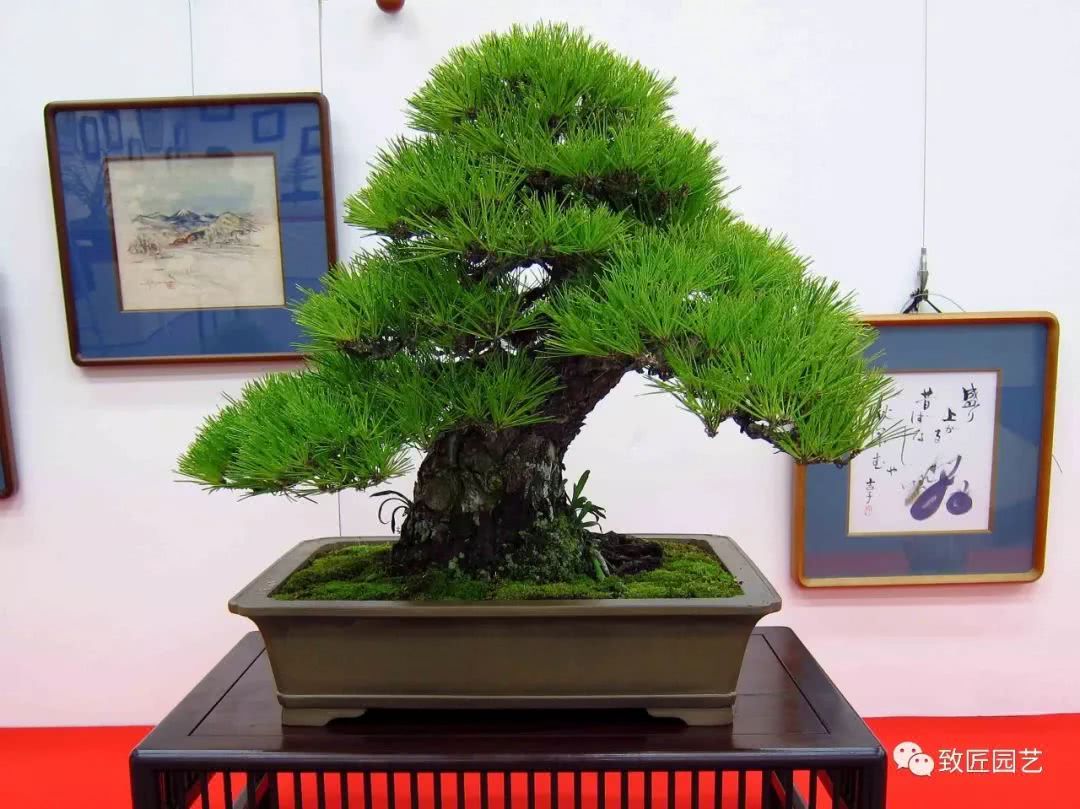
Cool-headed Reflections on the Current State of Chinese Penjing Development
Penjing originated in China. The prototype of Chinese penjing is the image of a potted plant combining plant, pot and stand depicted in the Eastern Han dynasty (25-220 AD) tomb mural unearthed in Wangdu, Hebei; while in the Tang dynasty tomb passage mural of Crown Prince Zhanghuai, there appeared...
-

-

Why do chive leaves develop dry tips? Causes and control methods
Causes of dry tips on chive leaves and control methods
条件筛选