-
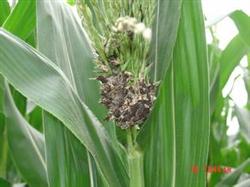
Occurrence Patterns and Control Methods of Black-Streaked Dwarf Disease in Spring Corn
Black-streaked dwarf disease is a viral disease transmitted by the virus-carrying small brown planthopper (Laodelphax striatellus), with the seedling stage being the main susceptible period. Since the 1990s, with changes in planting structure, black-streaked dwarf disease in single-season rice and spring corn in Chun'an County has worsened year by year, especially since 2000, when rice black-streaked dwarf disease has occurred throughout the county,...
-
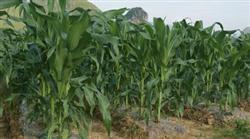
Detailed Explanation of Spring Corn Intercropping with Autumn Cucumber Cultivation Techniques
(1) Scope of application: Suitable for promotion and application in dryland corn planting areas covered with plastic film. (2) Operating procedures: 1. Land selection: Choose plots with flat terrain, deep soil layers, loose soil texture, medium or above fertility, and strong water and fertilizer retention capacity. 2. Land preparation: After harvesting the previous crop, immediately clear stubble and prepare the land, then...
-
Spring Corn Aphid Control Methods and Key Points for Pesticide Application
The spring corn aphid belongs to the order Homoptera, family Aphididae, and mainly damages crops such as corn, sorghum, wheat, and foxtail millet, with adults and nymphs piercing and sucking plant sap. During the seedling stage, aphids gather on the undersides of leaves and in the heart leaves, causing damage. In mild cases, corn growth is poor; in severe cases, plant growth stagnates, and even seedlings die. In addition, it can transmit corn dwarf mosaic virus disease...
-
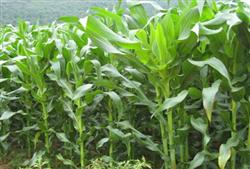
How to manage spring corn at the booting stage? Please keep this list of precautions
After the spring corn seedlings joint and the outer plants grow rapidly, the internal tassels and ears differentiate one after another; in the differentiation sequence, the tassel is slightly ahead of the ear. When the plant still has one to two leaves that have not yet extended their young leaves, this is commonly known as the small trumpet to large trumpet stage. Tassel and ear differentiation respectively enter the tetrad stage and the floret differentiation stage. The tassel is the key period for pollen formation...
-
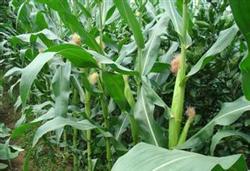
Want high yields from spring corn? Proper potassium fertilizer application is key
Spring corn grows slowly at the seedling stage, with sturdy plants and strong lodging resistance. Its yield per plant is relatively high, but it is susceptible to disease infection during hot, rainy seasons, which can affect spring corn yields. Mastering spring corn fertilization methods can help achieve high and stable yields. Apply organic fertilizer widely. Spring corn is a high-yield crop, and its yield level...
-
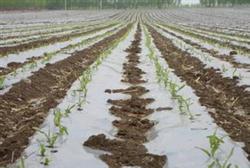
High-Yield Film-Mulched Cultivation Techniques for Spring-Sown Black Corn
Black corn is a new corn variety introduced in recent years and is a precious health-promoting fruit-and-vegetable food. After two consecutive years of trial planting, it achieved a yield of 400-500 kg per 667 sq m. Black corn has a plant height of 120 cm, a growth period of 90 days, a ear length of 12-15 cm, and a single ear weight of 150 g. It is suitable for sale as fresh-eating corn cobs, and can also...
-
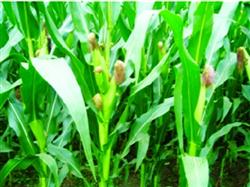
Planting spring corn requires good seed plus good methods
Fresh-eating type corn is generally divided into sweet corn and waxy corn; it has a unique flavor, is rich in nutrients, has a large market capacity, high yield and good returns. When grown as spring corn, it takes about 90 days from sowing to fresh ear harvest and does not affect the planting of hybrid late rice. To grow spring fresh-eating type corn well, the following points should mainly be grasped: first, choose...
-

-
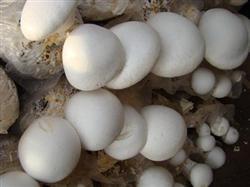
Techniques for Cultivating Bailing Mushroom (Pleurotus nebrodensis) with Corn Stalks
Bailing mushroom, also known as white Ferula mushroom, is a large, fleshy flat mushroom of extremely high quality that originally grew wild in arid grasslands. After artificial cultivation, it is just as rich in protein and amino acids as the wild mushroom, with the highest levels of glutamic acid and arginine. In addition, it also contains abundant vitamin D and various mineral elements, making it a...
-
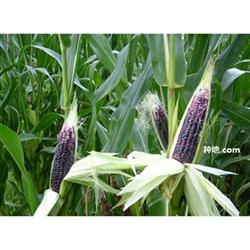
How to plant black corn?
How to plant black corn? Please advise. Black corn is not only nutritious, but its stalks also have a sugar content of 11.95%, which is 1-3 times higher than that of ordinary corn stalks, making it good feed for dairy cows and dairy goats. Black corn is a farm variety with short plants, narrow leaves, good kernel set, and tolerance to dense planting, so density can be increased by reducing plant and row spacing...
条件筛选