-

Technical Guidance on Promoting Early Maturity and Preventing Early Frost in Northeast Corn, issued by the Ministry of Agriculture in 2014
Website news: During this year's corn sowing and emergence period in Northeast China, climatic conditions were generally favorable, with good matching of light, water and temperature, and corn growth was overall better than the usual level, but in some areas low temperatures and spring waterlogging delayed the sowing period of corn, and the growth process was postponed. At present, Northeast corn
-
Tightening supply and demand for high-quality corn, prices may continue to stay firm
Out of concern over quality issues, large feed enterprises in North China began increasing corn stocks relatively early. There are still nearly 40 days until the Spring Festival, but feed enterprises in North China have already been stockpiling for more than 10 days, and their corn inventories have already increased considerably compared with early December 2015.
-
Why must the temporary corn purchase and storage policy be reformed?
In September 2015, the National Development and Reform Commission, the State Administration of Grain, the Ministry of Finance, the Agricultural Development Bank of China and other departments jointly issued the "Notice on Issues Concerning the State Temporary Storage and Purchase of Corn in Northeast China in 2015". In 2015, the state will continue to implement the temporary corn
-
How to prevent and control common corn pests and diseases? A detailed explanation of prevention and control measures
Pest and Disease Control Strategies for Organic Corn Cultivation The diseases that easily occur during corn cultivation are leaf spot, smut, rust, and mosaic virus, while the pests include corn borers and aphids. The occurrence of pests and diseases is closely related to climatic conditions, so the timing of control should be decided according to climatic factors and field diseases
-
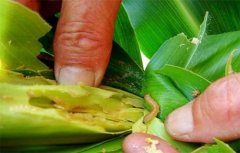
Corn borer damage symptoms, identification and control methods
The corn borer is a common pest that mainly damages crops such as sorghum and corn, hindering crop growth and worsening yield and quality problems. So how should it be controlled? Living habits: This insect is the main pest during the middle and late growth stages of sorghum, but
-
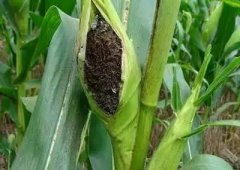
What Is Corn Smut? Causes and Control Methods
Corn smut is a fungal disease of the corn plant, caused by the pathogen Sphacelotheca reiliana. It is a systemic disease that can infect the plant as a seed, but symptoms do not appear until the plant reaches the flowering and fruiting stage. Smut is easily mistaken for
-
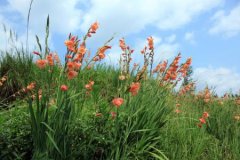
Is Gladiolus a long-day plant? Plants suitable for growing alongside it
Gladiolus is a widely popular flowering plant that frequently features in floral arrangements. Beyond bouquets, gladiolus also looks great in flower beds and garden borders. It particularly loves sunlight; without exposure to sunlight, this plant will quickly die. It is a typical
-
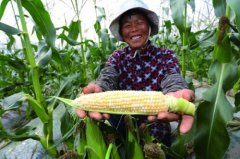
What Kind of Corn Is Fruit Corn? Differences from Other Corn and How to Eat It
What is fruit corn? Is fruit corn easy to grow? Fruit corn is a type of sweet corn suitable for eating raw. Compared with ordinary sweet corn, its main characteristics are thin skin with no residue, a delicate texture, lots of juice, and a crisp, sweet taste; it can also be eaten after cooking. Fruit
-
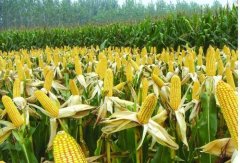
US Corn Spot Prices Surge Sharply Due to Delayed Planting
Corn, as a crop, is very important to many industries today. It has many uses: it can be used as feed, for industrial processing, for corn starch, and for corn-based sugar. Its price is also fairly affordable, but recently there have been reports that the United States
-
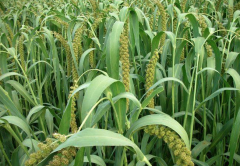
Is corn the same as millet? Nutritional differences between yellow and blue-purple corn
I believe everyone knows about yellow corn, but did you know that corn actually comes in many colors? Almost the full spectrum of red, orange, yellow, green, cyan, blue and purple! The color of corn is unrelated to its taste or variety, but is related to the phytochemicals it contains. This plant is very different from
条件筛选