-
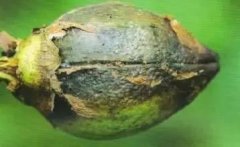
Common diseases of cotton bolls and control methods for cotton boll blackening
Do you know what diseases can occur during cotton cultivation? Below we introduce the most common cotton boll blackening disease. Do you know this disease? What do the symptoms of this disease look like on cotton? What are the control methods? Let's take a look together.
-
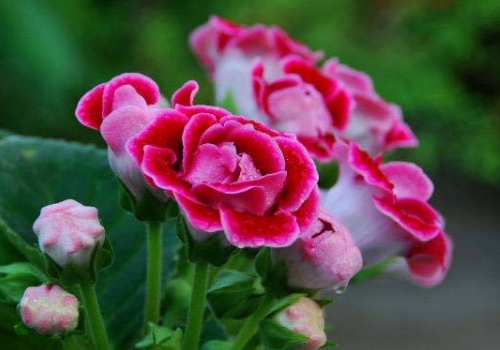
What to Do When Gloxinia Leaves Turn Yellow, Blacken, and Drop
Gloxinia leaves turning yellow is a very common problem, and attention should be paid to routine care. What to do when gloxinia leaves turn yellow and black? How to solve leaf drop: What to do when gloxinia leaves turn yellow and black: water appropriately; gloxinia should be watered sparingly, and not watered until the soil is dry. In winter, gloxinia enters dormancy, and watering can be stopped.
-
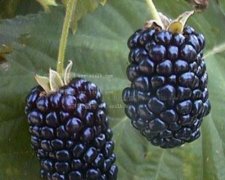
Introduction to blackberry growing conditions and cultivation techniques: are blackberries easy to grow?
Blackberries planted in the same year can bear fruit in that same year, and generally enter the full-production period in the 3rd year, with yield per mu stabilizing at around 1750 kg. They are rich in sugar, fruit acids and various vitamins, and also contain various mineral elements, with effects such as anti-aging and improving human immunity. So how are blackberries
-

Detailed Explanation of Black Swallow-wort Planting Techniques and Cultivation Management Methods
Planting Techniques for Black Swallow-wort
-

Introduction to the black sesame variety Liaoyin Black Sesame No. 1
Liaoyin Black Sesame No. 1 (Ji 9014) is a superior new black sesame variety for both medicinal and culinary use, carefully bred and selected by the Crop Research Institute of the Liaoning Academy of Agricultural Sciences from 7 introduced candidate varieties. It offers the advantages of high quality, high yield, disease resistance, early maturity and wide adaptability, and is well favored by producers, distributors and consumers. It has passed expert appraisal and has been registered and filed with the Liaoning Provincial Seed Administration Bureau.
-
Detailed Explanation of the Processing Technology for Millet and Black Sesame Crispy Slices
(1) Formula: 900 g millet flour, 100 g black sesame, shortening, and seasonings (salt, white sugar, spicy powder, etc.) in appropriate amounts, plus "Texiangsu". (2) Process flow: raw and auxiliary material processing -> measured proportions -> mixing -> dough preparation -> crisping treatment -> sheet pressing -> slicing -> seasoning -> baking -> cooling -> packaging. (3) Key operating points: 1. Raw and auxiliary material processing: select clean, hulled fresh millet, wash it thoroughly with water, then soak for 2-3 hours, air-dry, grind into flour, and pass through an 80-100 mesh
-
Occurrence and Control Methods of the Black Velvet Chafer in Fengxiang County, Shaanxi
The black velvet chafer (commonly known as "louhu") has a body length of 7-8 mm, a blackish-brown or purplish-brown body color, and blackish-brown fine hairs on its body surface. It has one generation per year and overwinters as an adult. In April of the following year, it emerges and becomes active, then feeds on the leaves of weeds, poplar, willow, and elm trees. After crop seedlings emerge, it migrates to sunflowers, beans, and other crops to feed and cause damage. During the day, it hides in weeds and soil cracks. It mostly flies out in groups in the evening to cause damage, biting the tender leaves of willow, elm, and fruit trees, as well as the seedlings of crops such as alfalfa, sunflower, sweet potato, potato, and kidney bean. Adults have a death-feigning habit and phototaxis. From May to
-
New black sesame variety successfully cultivated in Hebei
Recently, a new black sesame variety, "dual-purpose oil and food Jiheizhi No. 1," the black sesame variety with the highest oil content in China, successfully cultivated by the Hebei Provincial Institute of Cereal and Oil Crops, passed provincial appraisal. This variety combines high quality, high yield, and disease resistance, and effectively resolves the contradictions between high yield and high quality, and between high yield and disease resistance in black sesame.
-
Detailed Explanation of Key Points for High-Yield Cultivation Techniques of Black Sesame
There are many varieties of black sesame. "Zhongzhi No. 9", bred by the Oil Crops Research Institute of the Chinese Academy of Agricultural Sciences, is the foremost variety. This variety is of the branching type, with a yield of up to 58.33 kg per mu. The growth period for summer sowing is 95 days. The seed coat is jet black, with a 1000-grain weight of 2.63 grams. The oil content reaches 47.3%, and the protein content is over 21%. This variety has strong resistance to stem blight and is a variety worth promoting. At present, sesame cultivation mainly adopts the "double-stem cultivation method". This method mainly involves removing the growing tip when the third pair of true leaves of the sesame seedling is half-unfolded, so that the axillary buds of the first (or second) pair of true leaves
-
What are the control methods for tulip black rot?
Symptoms: The bulb becomes diseased. On the stem plate and stem surface, and sometimes on the 2nd and 3rd scales, irregular lesions first appear yellowish-brown and later dark brown, with a rough surface. The pathogen is Pseudomonas andropogonis (Smith) Stapp, a Pseudomonas bacterium. The bacterial cells are rod-shaped, 1.9*0.8 micrometers in size, with 1 to 3 polar flagella. The optimum temperature for disease development is 20-25°C, with a minimum of 5°C. Transmission route: infected bulbs and diseased plant residues in the soil are the sources of infection. Control methods: try
条件筛选