-
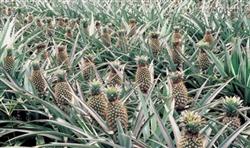
Detailed Explanation of High-Yield and High-Quality Cultivation and Management Techniques for Pineapple
I. Site Selection and Land Preparation Pineapple is a tropical crop, fond of warm, humid, soft and fertile soil conditions, and afraid of cold frost, drought, sticky hard soil and barrenness. This county has a tropical climate and is the most suitable ecological region for pineapple growth. When arranging pineapple planting, it is advisable to choose land with deep, soft, moist soil layers and abundant organic...
-
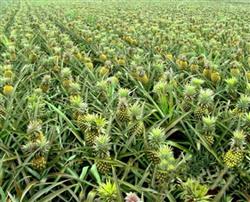
How to Grow Pineapple? A Detailed Guide to Practical Cultivation Techniques
Pineapple, also known as fengli, English name Pineapple, belongs to the family Bromeliaceae and the genus Ananas. It is a perennial monocotyledonous herbaceous plant that grows on the ground. The fruit is a collective fruit formed by the aggregation of many small fruits, generally weighing 1-1.5 kg. Pineapple is a tropical fruit native to Central and South America. The pineapple fruit is rich in nutrients, and the juice is not...
-
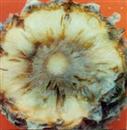
What are the control methods for pineapple fruitlet brown rot?
Pineapple fruitlet brown rot, also known as black heart disease, is a disease that occurs commonly in pineapple-growing regions worldwide, and is more prevalent in Cayenne-type pineapples. The disease mainly affects ripe fruit. Symptoms: the appearance of affected fruit is no different from healthy fruit, but symptoms can be seen when cut open. Infected fruitlets turn brown or form black...
-
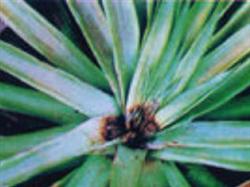
How to prevent and control pineapple heart rot? Introduction to practical methods
This disease mainly affects seedlings, but can also affect mature plants. In affected plants, the leaves are still greenish at first, only slightly darker and duller in color, while the central leaves are yellowish-white. Afterward, the leaf color gradually turns yellow or reddish-yellow, the leaf tips dry up, and a water-soaked rotting area develops at the leaf base. The most important characteristic of this disease is that the central leaves can be pulled out easily....
-
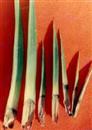
Which chemical agents give good control results against pineapple heart rot?
This disease mainly affects seedlings, but can also affect mature plants. In affected plants, the leaves are still greenish at first, with only a slightly darker, lusterless leaf color, and the central leaves are yellowish white. After that, the leaf color gradually turns yellow or reddish yellow, the leaf tips dry up, and a water-soaked rotting surface develops at the leaf bases. The most important feature of this disease is that the central leaves can be pulled out easily....
-
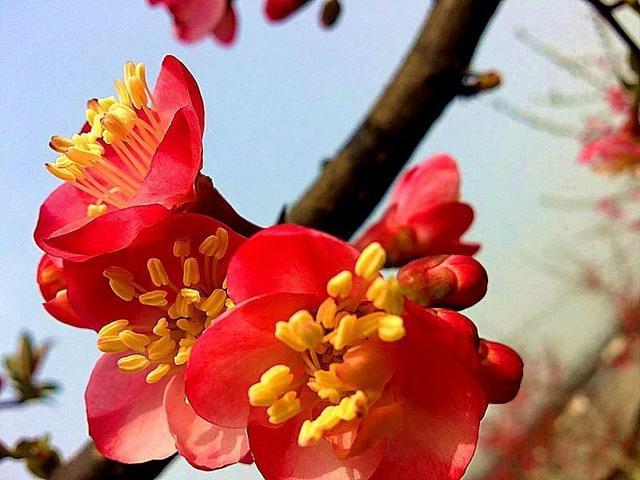
Why is the crabapple called a rare and famous flower
Did you like this article? Share it right away so more people can see it! The content on this site is rich, substantial and profound. Our editor selects the hottest news every day and updates it at any time. Click "Be the first to get the latest news" to browse! Please continue...
-

-
What are the control techniques for non-disease early defoliation of apple trees?
Control techniques for non-disease early defoliation of apple trees
-
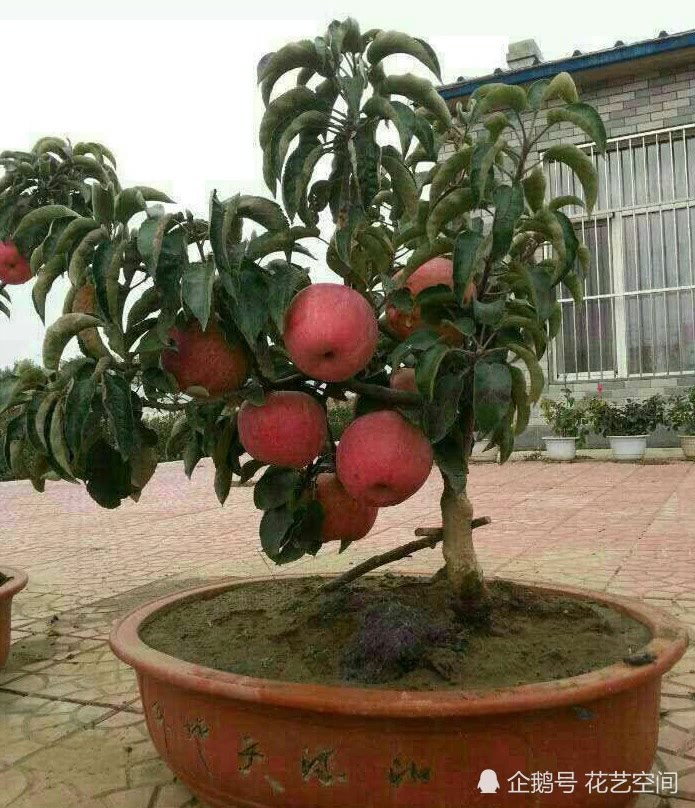
Grow an apple tree on your balcony: bright red and festive, easy on the eyes, and a symbol of peace and safety
An indoor balcony is truly a magical place. You can grow flowers, you can grow vegetables, and you can also grow a small apple tree in a pot. It looks lovely and easy on the eye, bright red and festive, and it also symbolizes peace and safety. It is really so worth it. A potted apple tree can beautify...
-
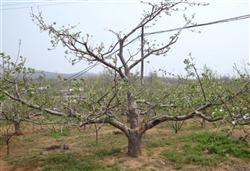
How to winter prune Red Fuji apple trees? Detailed technical points
How to winter prune Red Fuji apple trees? Please guide: when winter pruning Red Fuji apple trees, note the following: 1. After pruning, the tree height should be less than the row spacing; a light-transmitting band of 1.0-1.3 m must be maintained between rows; large branches between trees must not cross each other; framework branches at all levels should be staggered. A leaf canopy spacing of 30-50 cm must be maintained between main branches at each tier to enhance light exposure...
条件筛选