-
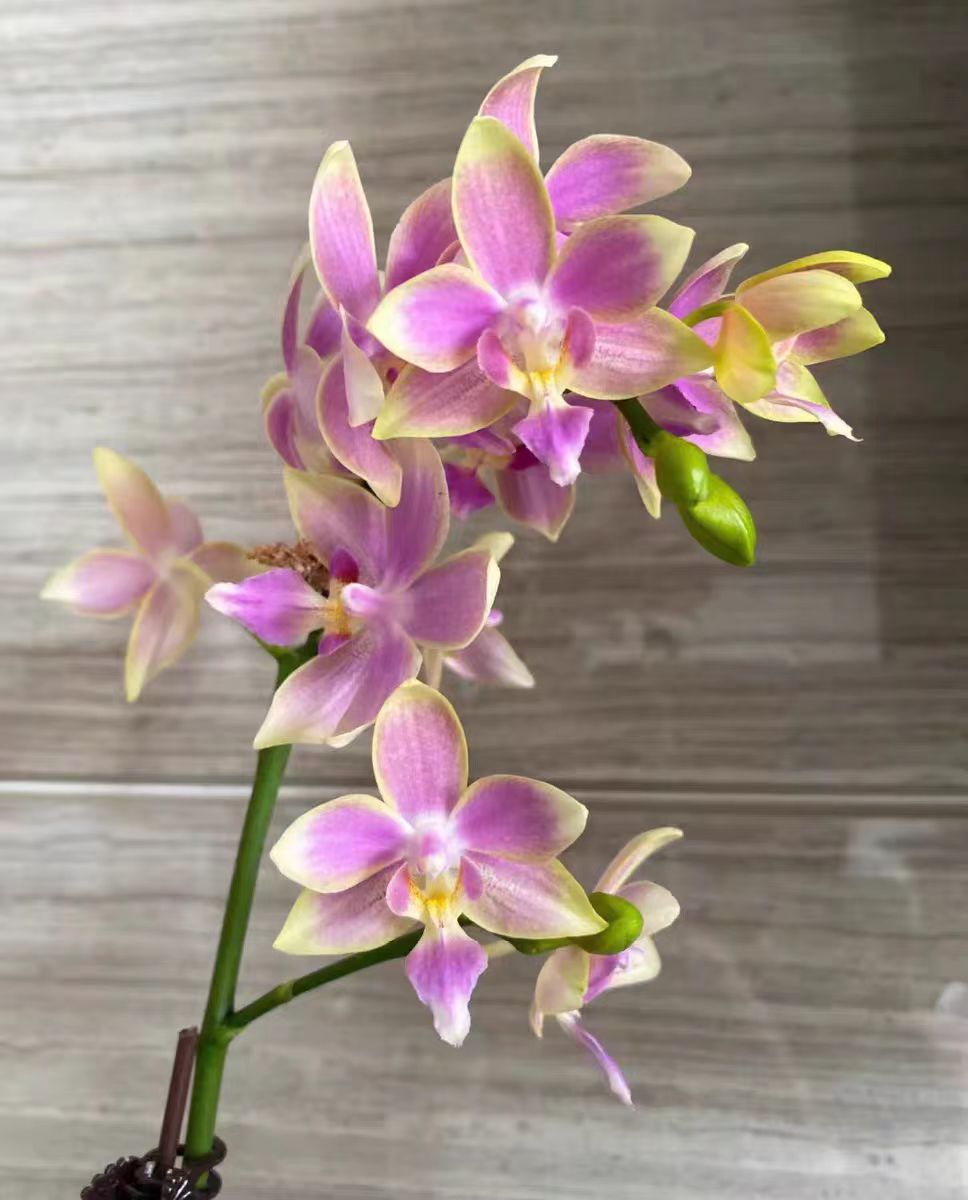
What kind of bark is suitable for growing Phalaenopsis, and is thick or thin bark better?
Phalaenopsis are epiphytic plants that prefer loose and breathable growing media, and bark is a commonly used choice. Some flower enthusiasts ask: is thick
-

Watering Methods for Cuttings and Recommended Flowers Suitable for Cuttings in Summer High Temperatures
Cuttings are a common method of flower propagation. Mastering the watering techniques for cuttings and choosing the right flowers suitable for cutting in summer high temperatures can significantly improve the survival rate of cuttings. So how do you water cuttings, and which flowers can be cut in summer? Watering cuttings is a technical job. Newly planted cuttings are very fragile and need careful attention.
-

How to handle a Phalaenopsis right after removing it from its pot? Does it need to be sun-dried for a few days?
Friends who grow Phalaenopsis have surely encountered the time when they need to remove it from its pot. How to handle it after repotting, whether it needs sun-drying, and how long to dry it, these questions are all too common! After a Phalaenopsis is removed from its pot, never put it directly in the sun! Its roots are not as tough as those of other plants. They are that kind of white, tender, translucent aerial root. If placed directly in the sun, the water
-

For Phalaenopsis grown in bark, is thick or thin bark better, and does it need to be soaked in advance?
Phalaenopsis is an epiphytic plant that likes a loose, breathable growing medium, and bark is a common choice. Some growers ask: for growing Phalaenopsis, is thick bark better or thin bark better? Does the bark really need to be soaked in advance before use? When it comes to choosing bark thickness, each has pros and cons, and the decision should be based on actual needs; pre-treatment before use also affects the plant's growth condition.
-

How to care for bulb flowers in summer? Plus recommendations for beautiful and easy-to-grow varieties
Summer is here, and your bulb flowers at home shouldn't just "give up"! Bulb flowers are prized for their unique forms and brilliant colors, but summer heat poses a considerable challenge to their growth. Master the right care methods and choose the right varieties, and your home can be full of blooms all summer long. Rain lily: just from the name you can tell how tough it is, after
-

How good is sphagnum moss at holding water for Phalaenopsis orchids, and does it easily suffocate the roots?
Is keeping Phalaenopsis orchids in sphagnum moss really reliable? Good water retention is one thing, but won't it suffocate the roots?" Sphagnum moss is a common growing medium for Phalaenopsis orchids, and many flower lovers agonize over its water retention and worry it will suffocate the roots. Today let's talk about these two key questions. Once sphagnum moss has absorbed enough water, it locks in moisture tightly. Pinch a handful of water-soaked sphagnum moss and it feels soft
-

Which Trailing Plants Are Prone to Problems and How to Solve Common Issues
Does anyone else feel like they just can't walk past a trailing plant? Fuzzy leaves, cascading strings of flowers - hang one on the balcony and the whole vibe instantly goes up a notch! But as you care for them, you start to realize some trailing plants are absolute "problem children," throwing tantrums every few days. King fern: the King fern looks majestic, but it's actually a delicate
-

Do you need to water Phalaenopsis orchids grown in sphagnum moss often, and will they die if it is too wet?
After many friends started growing Phalaenopsis orchids in sphagnum moss, they kept wondering: for Phalaenopsis grown in sphagnum moss, how often exactly should you water? If the sphagnum moss stays wet all the time, will the Phalaenopsis drown? When growing Phalaenopsis in sphagnum moss, you cannot just water whenever you feel like it, based on your mood; the Phalaenopsis really cannot take it! Sphagnum moss has extremely strong water absorption,
-
Key precautions after repotting a Phalaenopsis orchid and what it fears most
You finally finish repotting your Phalaenopsis orchid, only for its leaves to turn yellow and its roots to rot within a few days? Don't let all your hard work go to waste! Below, let's talk about the "major taboos" of aftercare following repotting. Beginners must avoid them! 1. Waterlogging Phalaenopsis orchid roots absolutely hate being smothered! After repotting, if the pot holds standing water, the roots will turn black and rot within a few days! Guide to avoiding pitfalls: 1. Choose one with large
-

What disease causes tomato stems to turn black? Cause analysis and control methods
Is your tomato stem suddenly turning black as you grow it? Don't panic! This could be a disease at work! Today I'll walk you through how to treat the right cause. Symptoms of stem base rot: pale brown to dark brown patches appear at the base of the stem, which constrict after encircling the stem, later developing cobweb-like mold, and the whole plant wilts! High-risk period: prone to occur in high-temperature, high-humidity environments. Solutions
条件筛选