-

Why do tomato seedlings wilt and develop root rot after transplanting, and can they still survive?
Did your freshly transplanted tomato seedlings suddenly wilt, develop root rot, or even die? Don't panic! It is most likely that these 3 issues were overlooked. Below, we'll help you quickly identify the cause and save the seedlings to protect your harvest. Cause 1: Planting too deep + watering too much, leaving roots suffocated, rotten and deprived of oxygen. Beginners often make the "deep planting, waterlogged roots" mistake: when planting, the soil is mounded too deep (the stem is buried more than 5cm), and watering
-
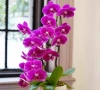
How do you get rid of small flying insects and bugs in a Phalaenopsis pot?
Your carefully tended Phalaenopsis has just started to grow a flower spike, when suddenly a bunch of small flying insects appears on the surface of the potting mix, and they fly up in a cloud when you water, and when you lean in close there is a bit of a sour, foul smell? Today I will share my pest-control guide with everyone. Step one: physical methods. Yellow sticky traps: buy a few sticky traps made for flowers and plants, just stick them into the edge of the potting mix, and leave them alone; in one day they will
-
Reasons for Yellow Leaves and Leaf Drop in Lemon Trees and How to Fix Them
Don't panic if your lemon tree has yellow leaves and is dropping leaves! Find the cause and treat it accordingly, and it will soon recover its vitality. Here are some super practical solutions that even beginners can handle! 1. Watering problems. 1. Waterlogged roots and root rot. Symptoms: lower leaves turn yellow first and fall off at the slightest touch, leaf tips turn brown, and the potting soil is sticky and wet. First aid: stop watering, take the plant out of the pot and cut off the rotten roots (black-brown, mushy
-

Causes of Phalaenopsis Soft Rot and the Most Effective Treatment Methods
Many flower enthusiasts have experienced this: a perfectly healthy Phalaenopsis suddenly develops soft, sticky leaves, or even oozes pus, which is heartbreaking. So what exactly causes this troublesome soft rot? And what medication can treat it? Why do Phalaenopsis get soft rot? The main culprit is a bacterium called Erwinia, which particularly loves damp and stuffy environments.
-
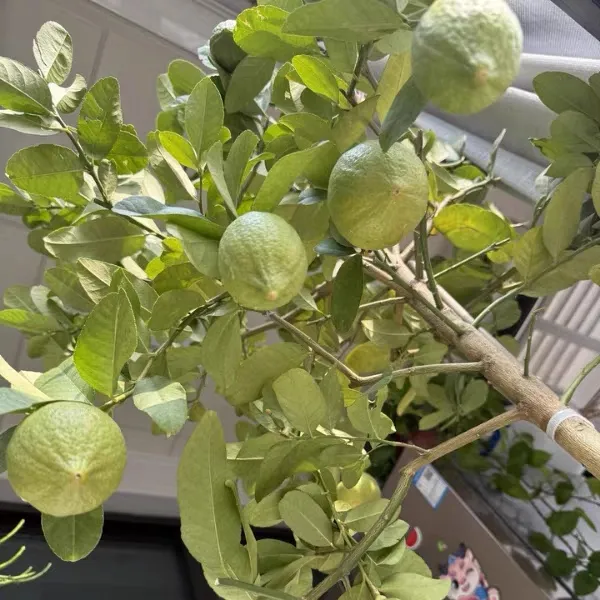
What's the matter with the yellowing and falling leaves of the lemon tree?
Don't panic if your lemon tree has yellowing or falling leaves! Identify the cause and take targeted measures, and it will soon regain vitality. We've compiled
-

Can a Phalaenopsis orchid still grow back after its root tips turn black? Handle it this way
A perfectly healthy Phalaenopsis root tip, and for no apparent reason it turns black. These are the orchid's "lifeline," responsible for absorbing water and nutrients. Can it still grow back after turning black? How should you handle it? Can it still grow once the root tip turns black? Actually, there is no need to panic too much. As long as the Phalaenopsis root system has not completely rotted and the pseudobulb is still firm, there is hope. The root
-

What is the difference between old and new Phalaenopsis orchids, and should they be watered the same way?
Phalaenopsis growers may notice that old plants and new plants look different, and when it comes to watering, you really cannot treat them all the same. First, let's talk about the differences between the two, then discuss the ins and outs of watering, so even beginners can understand. A small plant just bought from a flower shop has tender leaves, only 2-3 of them, and most of the roots are white or light green
-

What color are healthy Phalaenopsis roots, and what do they look like?
Gardeners who grow Phalaenopsis know that their roots are not like those of other flowers, hidden away in the soil where you cannot see them; Phalaenopsis roots just boldly sit out in the open, and their color keeps changing, so what exactly does a healthy one look like? A healthy Phalaenopsis root should be plump and round, like a full little straw.
-

Why Phalaenopsis (moth orchid) leaves grow crooked and uneven, and how to fix it
If you grow Phalaenopsis orchids, you may have noticed that your orchid's leaves grow every which way, some with bent necks, some higher on one side and lower on the other, looking terribly uneven. Actually, this isn't a big problem, but understanding the cause is the only way to get it growing neat and looking pleasing.
-

Are lots of aerial roots on a Phalaenopsis a good thing, and what to do if there are too many
The Phalaenopsis has a naturally "maverick" character; other flowers hide their roots in the soil, but this one sends many roots straight out into the air, white and tender, looking quite distinctive. So are lots of these aerial roots a good thing or a bad thing? And if too many grow, will it affect flowering? The Phalaenopsis is by nature an epi
条件筛选