The essential edition of Polygonatum cultivation techniques, easy to understand at a glance
Polygonatum is the dried rhizome of the Liliaceae plants Polygonatum kingianum, Polygonatum sibiricum, or Polygonatum cyrtonema. According to differences in the original plants and the properties of the medicinal material, Polygonatum can be divided into ginger-type Polygonatum, chicken-head Polygonatum, and large Polygonatum. The original plant of ginger-type Polygonatum is Polygonatum cyrtonema, the original plant of chicken-head Polygonatum is Polygonatum sibiricum, and the original plant of large Polygonatum is Polygonatum kingianum.
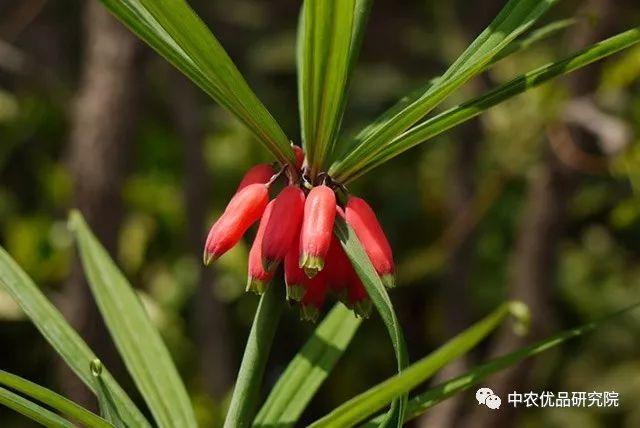
This year, people are paying more and more attention to health, wellness, and healthcare awareness, which has led to increased market demand for Polygonatum. The amount that can be collected in the wild is limited, so artificial cultivation has become the only way to sustain the species and balance market demand.
Zhongnong Xiaoke has briefly put together the cultivation methods for Polygonatum here for everyone.
Polygonatum mainly has two planting methods: tuber planting and seed seedling raising. Seed seedling raising is relatively more complicated and involves a certain degree of difficulty and skill in cultivation, so new herbal growers are advised not to take it on lightly.
Tuber propagation
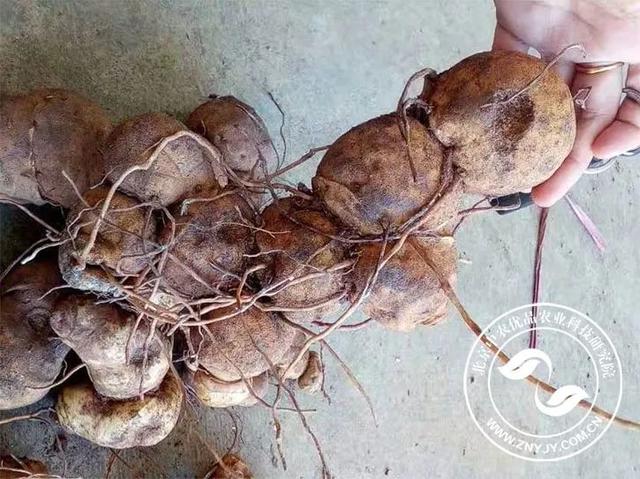
Spring and autumn each year are suitable for planting. Select 1-2 year old robust plants free of pests and diseases as mother plants, choose the part with a bud at the tail end as the seed source, and plant at a row spacing of 22-24 cm, a plant spacing of 10-16 cm, and a depth of 5 cm. It is best to cover with humus soil mixed with a small amount of sandy soil. Water with settling water for rooting, and water once every 3-5 days after planting. During this period, keep the soil moist.
Note that for autumn and winter planting, it is best to use plastic mulch or cover the surface with ring manure and dry grass to keep warm.
Seed propagation
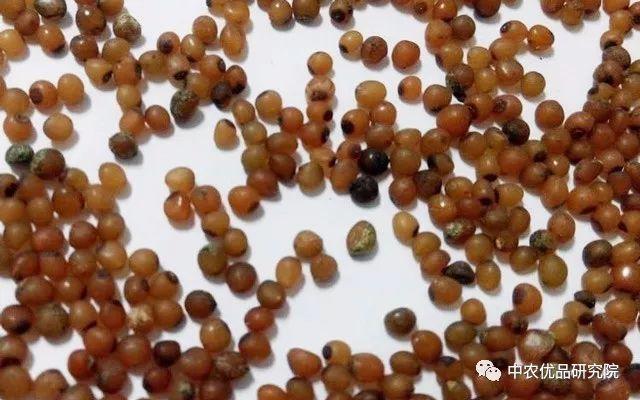
After the seeds mature in August, select mature and plump seeds and immediately carry out sand storage treatment: mix 1 part seeds with 3 parts sandy soil evenly. Store in a pit 30 cm deep in a shaded place and keep moist.
Wait until late March of the following year, then sift out the seeds and evenly broadcast them at a row spacing of 12-15 cm into shallow furrows on the seedbed surface. Cover with about 1.5 cm of soil, press lightly, water, and cover with a layer of grass to preserve moisture.
Remove the covering grass before emergence. When the seedlings are 6-9 cm tall, thin them appropriately where they are too dense, and transplant after 1 year. The advantage of this method is that the cost is relatively low. The disadvantages are that relative humidity is very difficult to maintain, too much humidity causes the seeds to mold, and too dry conditions leave germination weak, so the cultivation risk is relatively high. The total cultivation time is also longer.
Site selection and land preparation
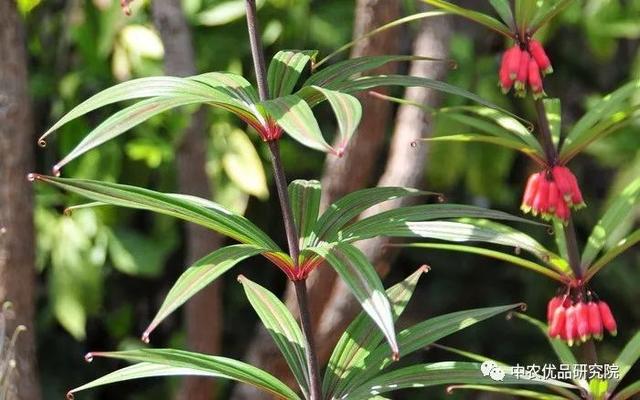
A warm and humid climate and a shady, moist environment. It is cold-resistant and has strong adaptability to climate. You can choose semi-high mountain or flatland cultivation. It is best to cultivate in soil that is deep, fertile, loose, and moist. Ordinary farmland can be used after slight modification.
Before sowing, deep plow once. Combined with land preparation, apply 2000 kg of farmyard manure per mu, turn it into the soil as base fertilizer, then rake finely and level, and make beds 1.2 m wide. Leave drainage ditches about 30 cm deep.
Field management
In the early growth stage, cultivate and weed frequently. The aboveground plant part in a Polygonatum field can grow to about 1.5 m in length and is herbaceous, and lodging is relatively serious. Carry out regular weeding once each in April, June, September, and November every year. Shallow hoeing and appropriate hilling are advisable. During later inspections, pull out any weeds found at any time.
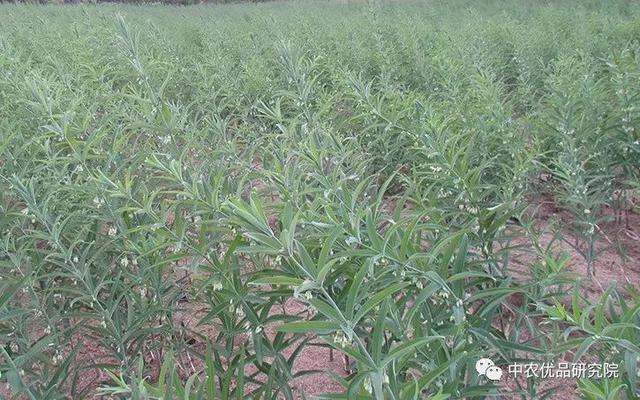
In sunny and dry places, water in time. Each year, combine cultivation and weeding with topdressing. After the first 3 cultivations, apply 1500 kg of farmyard manure per mu, mixed evenly with 50 kg of superphosphate and 50 kg of cake fertilizer, then open furrows between the rows and apply it, covering with soil after application to cover the fertilizer. Polygonatum avoids water and likes shade, so attention should be paid to drainage and intercropping with corn.
Pest and disease control
Leaf spot disease:It can be controlled with a 500-fold dilution of 65% mancozeb wettable powder.
Black spot disease:It mostly occurs in spring, summer, and autumn and damages leaves. Control method: clean the garden at harvest and eliminate diseased residues; spray Bordeaux mixture at 1:1:100 in the early stage, once every 7 days, for 3 consecutive times.
White grubs:The larvae cause damage, harming the roots, biting off seedlings or gnawing on seedling roots, causing broken seedlings or hollow roots, and the damage is serious. Control method: use 75% phoxim emulsifiable concentrate and dress seeds at 0.1% of the seed amount; or during the field occurrence period, drench with a 1000-fold dilution of 90% trichlorfon.
Harvesting and processing
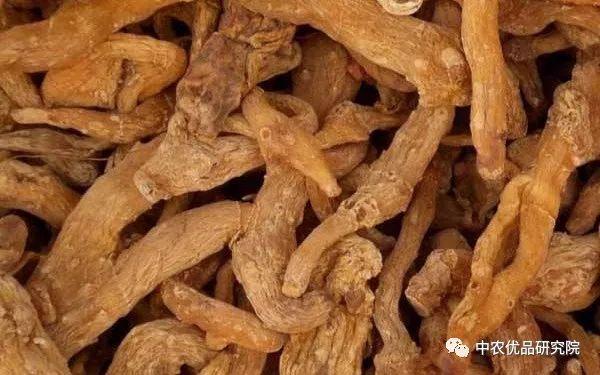
Generally harvested in spring and autumn, with better quality from autumn harvesting. For cultivation of 3-4 years, harvest in autumn after the aboveground part withers. Dig out the rhizomes, remove the aboveground parts and fibrous roots, wash off the soil, place in a steamer and steam until they appear glossy and moist, then take out and sun-dry or oven-dry, or place in water and boil, then remove and sun-dry or oven-dry.
Seed preservation techniques
Polygonatum can be propagated by rhizomes and seeds, but in production it is better to use rhizome propagation. In late autumn or around late March in early spring, select robust, disease-free plants and dig out the underground rhizomes to use as propagation material and plant directly.