-

Latest Prices for Polygonatum Seeds and Introduction to Planting Methods
Polygonatum, also known as Huangji Cai, Biguan Cai, Laohu Jiang, and other names, is a perennial plant of the genus Polygonatum in the lily family (Liliaceae). It often grows under forest, in thickets, or in shady mountain slopes, and has extremely wide uses, combining medicinal, edible, ornamental, and cosmetic value in one. Its rhizome used as medicine has the effects of tonifying qi and nourishing yin, moistening the lungs and promoting fluid production,
-
How promising is Polygonatum odoratum cultivation? The latest analysis is here
Polygonatum odoratum, also known as Weican, Ying, Weiwei, Nüwei, etc., is a perennial herbaceous plant of the genus Polygonatum in the Liliaceae family. It is a major bulk Chinese medicinal material whose tubers are used as medicine. It has the effects of nourishing yin and moistening dryness, and promoting fluid production to quench thirst. It is often used for lung and stomach yin damage, dry-heat cough, dry throat and thirst, internal heat and wasting-thirst, etc.
-
What are the latest places of origin for Polygonatum?
Polygonatum is a plant in the genus Polygonatum of the family Liliaceae. Ge Hong's Baopuzi records: "The ancients believed that this product obtained the qi of the kun earth and gained the essence of heaven and earth, hence the name." It is a perennial herbaceous plant. It can reach up to 1 m in height. The rhizome grows horizontally, like young ginger, thick and fleshy, yellowish-white, and slightly flattened and round.
-
The Latest Polygonatum Planting Techniques and Methods Tutorial
Polygonatum is the dried rhizome of the Liliaceae plants Polygonatum sibiricum, Polygonatum cyrtonema, or Polygonatum kingianum. According to differences in medicinal material characteristics, it is commonly called "chicken-head polygonatum" or "ginger-shaped polygonatum". Polygonatum is neutral in nature and sweet in taste. It has the effects of tonifying the spleen and moistening the lungs, replenishing qi and nourishing yin. Polygonatum is mainly produced in Hebei, Inner Mongolia, Shaanxi
-
The Latest Cultivation Techniques and Methods Tutorial for Polygonatum odoratum (Solomon's Seal)
Solomon's seal (Polygonatum odoratum) is a perennial herbaceous plant in the Liliaceae family. Its rhizome creeps horizontally, is fleshy and yellowish-white, and is densely covered with numerous fibrous roots. The leaves are green on the upper surface and gray beneath. The flowers are axillary, usually borne in clusters of 1 to 3. It originated in the southwestern region of China, but its wild distribution is very wide. It is cold-tolerant and shade-tolerant, and prefers moist conditions
-
A Detailed Guide to Selecting Polygonatum odoratum Seeds and Raising Seedlings
Health-conscious friends all know that Polygonatum odoratum (fragrant solomonseal) is a rare tonic, rich in protein, hydrochloric acid, crude fiber, mucilage, vitamins and carbohydrates, and highly beneficial to the human body. So how do you select Polygonatum odoratum seeds? What seedling-raising methods are there?
-
A Detailed Guide to Harvesting and Seedling Cultivation Methods for Polygonatum Seeds
As demand in the Chinese medicinal herb market has continued to expand in recent years, many farmers have also joined the ranks of those cultivating Chinese medicinal herbs. Polygonatum is a medicinal plant containing large amounts of starch, sugar, fat, protein, carotene, vitamins and various other nutrients.
-
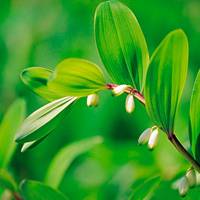
Did you know Polygonatum odoratum has these other names too?
Polygonatum odoratum (fragrant solomonseal) is a perennial herbaceous flowering plant belonging to the Liliaceae family. It is not only a home ornamental flower, but also has great medicinal and health-promoting value, and with the right cooking methods it can even become a delicious therapeutic food!
-
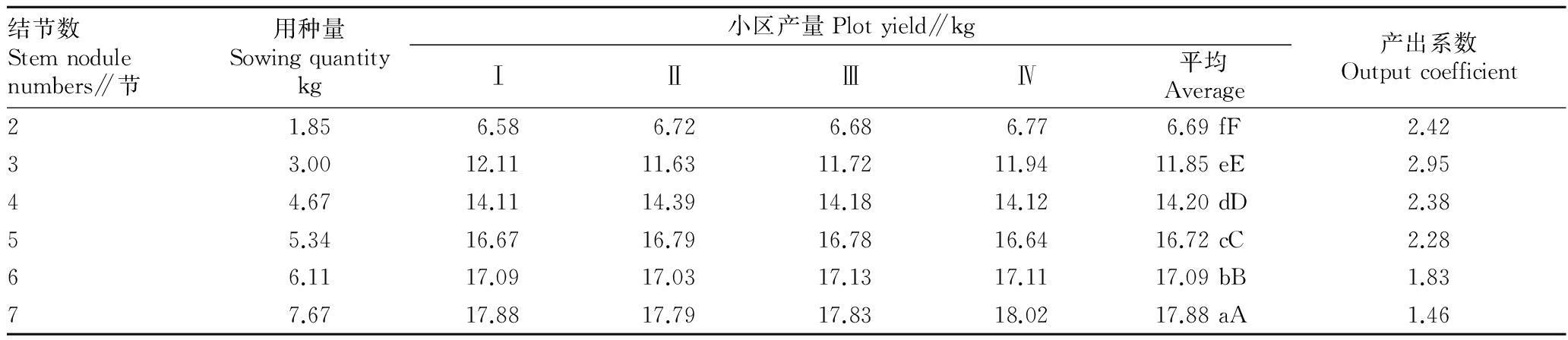
Effects of Rhizome Node Number of Polygonatum cyrtonema on Yield and Growth and Development
Effects of rhizome node number on the yield and growth and development of Polygonatum cyrtonema. In production, Polygonatum cyrtonema is mostly propagated by rhizomes, and because its rhizomes are bead-like or form nodular blocks, they are often called "seed rhizomes" [5]. The quality of the seed rhizome directly affects emergence and growth...
-
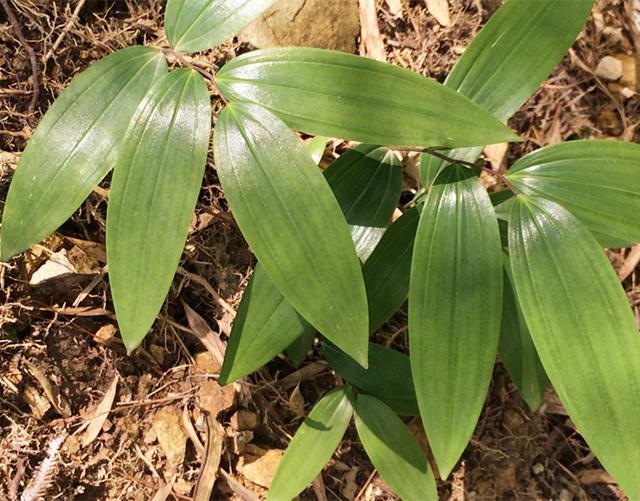
Detailed Explanation of the GAP Cultivation Technical Regulations for Jiuhua Polygonatum
GAP Cultivation Technical Regulations for Jiuhua Polygonatum. Polygonatum is a perennial herbaceous plant of the genus Polygonatum in the Liliaceae family, with functions of tonifying qi and nourishing yin, strengthening the spleen, moistening the lungs, and benefiting the kidneys. Modern medical research suggests that Polygonatum has anti-aging, immunity-enhancing, anti-...
条件筛选