-
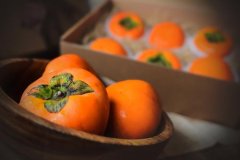
A Detailed Explanation of the Growth Characteristics of Sweet Persimmon Seedlings and Persimmon Cultivation Techniques
What are the growth characteristics of sweet persimmons? Do you know? Would you like to learn about them? Let's take a look together. 1. Fairly strict selectivity for rootstock: Based on the rootstocks commonly used in Taiwan, China, Jiro has better compatibility, Fuyu is poorer, and the Goshо series is even worse, with incompatibility continuing to appear about three years after grafting, leading to death.
-
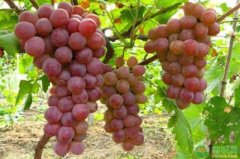
What are the main grape diseases? Cause analysis and pest and disease control methods
What are the ecological causes of the main grape diseases? Each main grape disease occurs in a different period. Besides understanding its occurrence period, one must also grasp the optimal conditions for the onset of each individual disease. For example, grape downy mildew occurs in Taiwan, China from May to November. Continuous rainfall during the plum rain season and typhoon season is most favorable for the onset of downy mildew. Once it occurs, the pathogen multiplies rapidly and in large quantities and spreads quickly with wind and rain, followed by severe outbreaks.
-
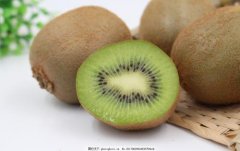
Are kiwi fruit and mihoutao the same fruit? Where is the difference between the two
Some people say that kiwi fruit is just mihoutao, only the name is different. Is that really so? If they are not the same fruit, in what ways do they differ? Is mihoutao a kiwi fruit? No. Kiwi fruit and mihoutao are both similar in appearance and color
-
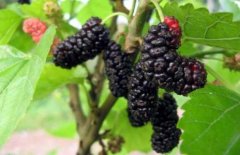
What nutrients do mulberry branches and mulberries each contain?
It is said that the mulberry tree is a treasure from top to bottom, so let's take a look at what functions the mulberry tree actually has and what nutritional value it offers. The bark and roots of the mulberry tree can be used in traditional Chinese medicine, known as mulberry white bark and honey-processed mulberry white bark; the leaves, dried and ground into powder, can also be used as medicine. The unripe fruit and the green branches of the mulberry tree contain a white latex, which may be slightly toxic and irritating. In addition, the pollen of the male flowers is relatively light and easily inhaled into the lungs, so individuals sensitive to it need to take care. The mulberry tree prefers fertile, well-drained loam, but can grow in a variety of soil types, with a pH of 5.5 to 6.5. Waterlogged areas should be avoided. The mulberry tree needs an average of about one inch of rainwater or irrigation per week; especially when watering is insufficient during the dry season, it may cause fruit drop. Iron, zinc, magnesium, barium, copper, and boron are the trace elements it needs, and organic fertilizers containing these elements can be purchased for use.
-
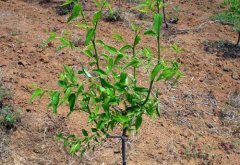
How to plant red jujube saplings and train their tree shape, and what are the common pests and diseases?
How should red jujube saplings be planted and trained into a tree shape? What are the common diseases in red jujube cultivation and how are they controlled? At present, red jujube trees are mostly grown with dwarfing cultivation, with tree height 1.5 to 2.5 m, which makes it convenient to pick fruit in pick-your-own orchards. Therefore, after the saplings are planted, the branches should be gradually pulled down to dwarf the tree.
-
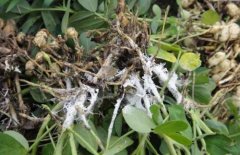
How to prevent and control peanut southern blight? What is the best medicine to use
Southern blight, one of the diseases of peanut, causes severely reduced yields in affected peanuts, so how should it be prevented and controlled? Symptoms: affected plants appear withered as if dehydrated, the stem at the soil line turns brown and necrotic, and is covered with a layer of white silky mycelium that can spread outward, forming a radiating
-
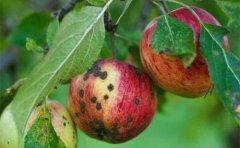
Apple Scab: Control Methods and Specific Fungicides
What does apple scab disease look like? What is the ecology behind its occurrence? What control methods are there? Symptoms: It damages leaves and fruit. Initially, olive-colored irregular round spots appear on the underside of leaves, later turning gray-black, sometimes with a black metallic sheen, and the leaf tissue
-
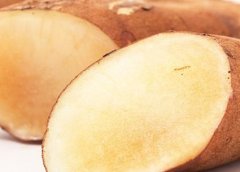
What nutritional value does yacon have, and can people with diabetes eat it?
Yacon is also called yacon potato. Is this a tuber crop? Or is it a fruit? Where did it come from? Want to know? Then let's take a look together. Yacon potato belongs to the Asteraceae family and originated in Colombia, Ecuador, Peru, and the Andes Mountains,
-
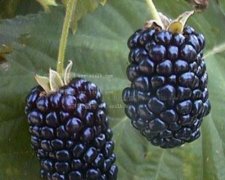
Introduction to blackberry growing conditions and cultivation techniques: are blackberries easy to grow?
Blackberries planted in the same year can bear fruit in that same year, and generally enter the full-production period in the 3rd year, with yield per mu stabilizing at around 1750 kg. They are rich in sugar, fruit acids and various vitamins, and also contain various mineral elements, with effects such as anti-aging and improving human immunity. So how are blackberries
-
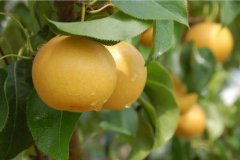
The pear with the greatest development prospects: what is organic pear tree cultivation and management like?
These days everyone talks about wanting to be healthy, and that is how organic fruits and vegetables came about. Today let us first take a look at what makes organic pears different and how they are cultivated. Arriving at "Risen Organic Shangjiang Pear Orchard" in Sanxing Township, Yilan, owner Liao Junqin is busy harvesting just-ripened
条件筛选