-
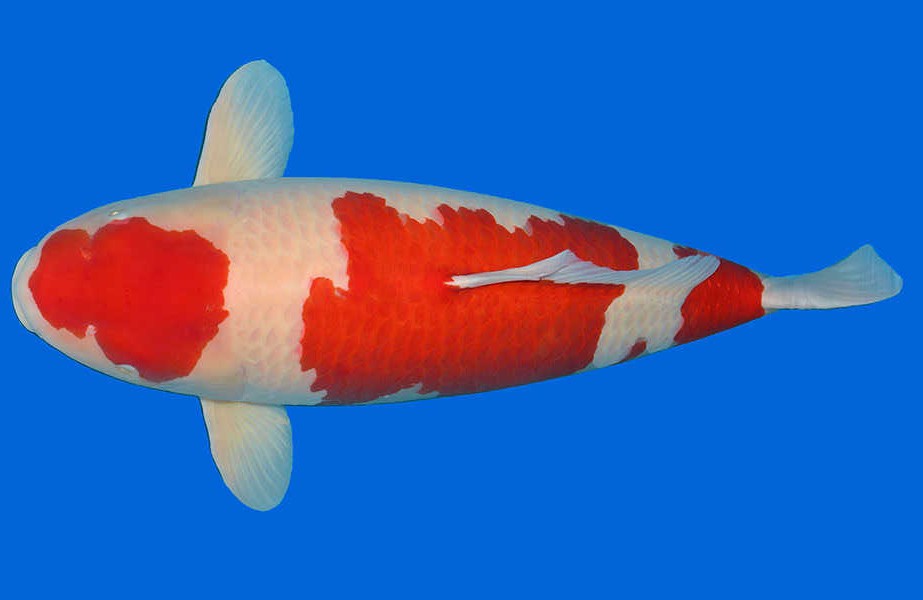
How to Tell Male and Female Koi Apart and Techniques for Selecting and Raising Fry
Selecting fry is the most important step in the rearing process for obtaining high-quality koi. Generally, 3-4 rounds of selection are carried out over the more than 3 months after hatching. The timing of selection varies depending on the variety, the speed of growth and how early the markings appear. For example: Showa...
-
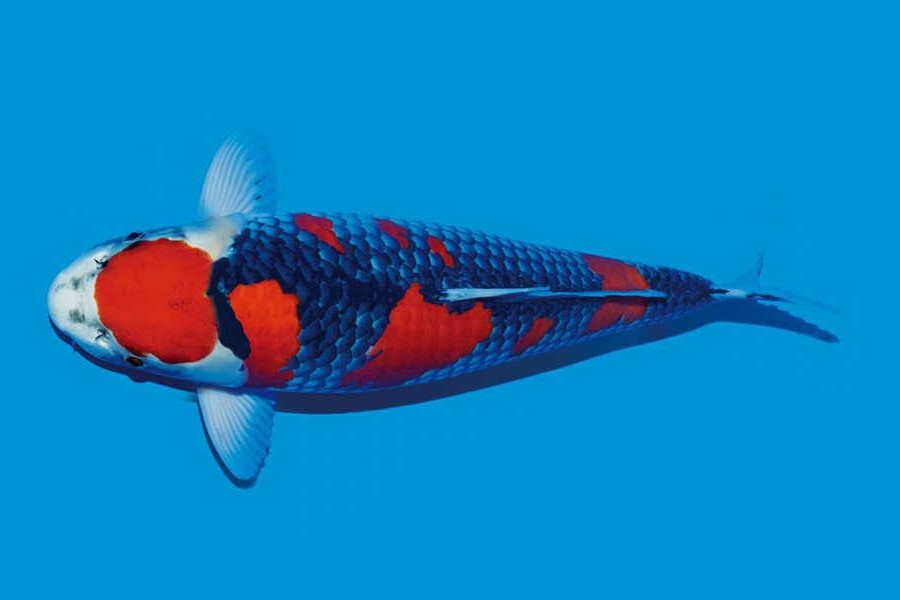
Koi Mixed-Stocking Pairing Tips and Methods for Selecting Toshi Koi
1. Male koi have better body shape than female koi: Although in the adult stage, female koi are more robust and aesthetically pleasing. However, at the toshi (first-year) stage, it is actually male fish that have a higher probability of being thick-bodied! Female fish only start sprinting again after reaching one year of age and entering their second or third year. Male...
-
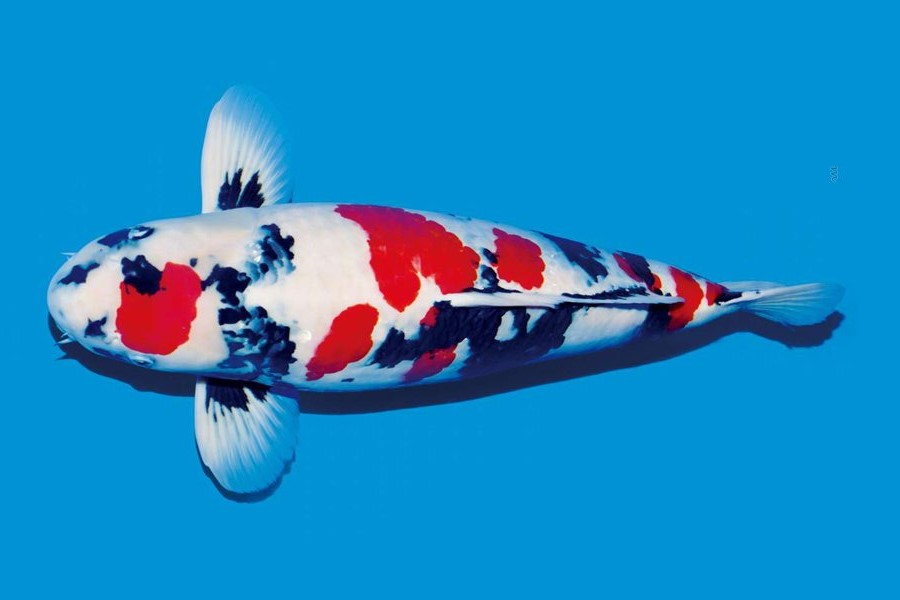
Detailed Explanation of Selection Techniques and Variety Selection Factors for Taisho Sanke Koi Fry
Taisho Sanke koi fry selection. For the selection of Taisho Sanke, the first step is to select those with white showing at the tip of the snout, with relatively good distribution of red patches on the body, and with sumi (black) markings distributed both front and back. Those with sumi on the head or without red patches are not selected. Those in which red patches are faintly visible beneath the sumi on the back are good fish. If...
-
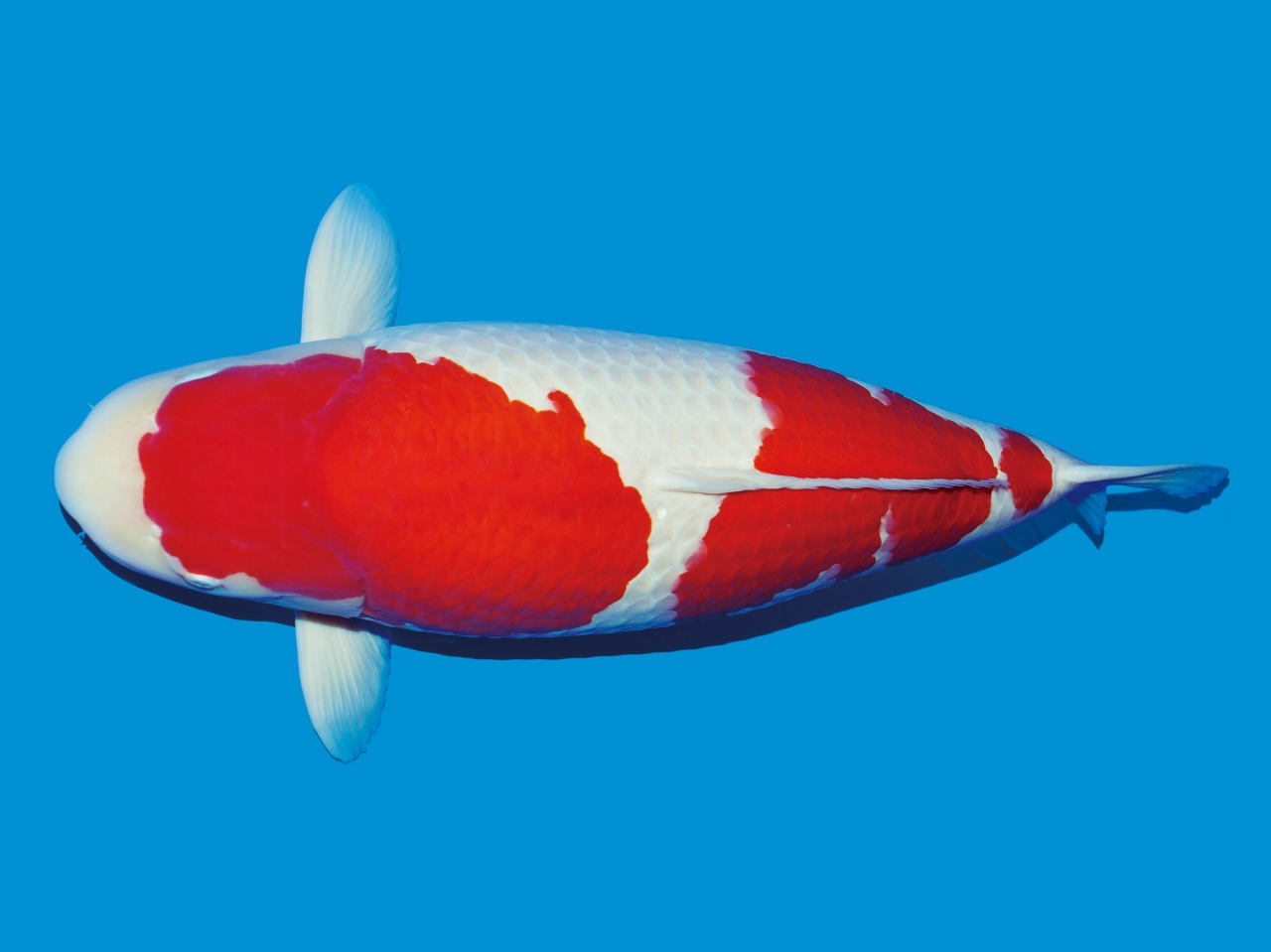
How were koi selected back in the day? Let me teach you how to score koi
In 1962 (the 37th year of the Showa era in Japan), the first Niigata Prefecture Koi Show was held. The judging standards used at that time were summarized by Kawakami Masaru, Hiroi Makoto, Seki Kenichi, and Oryu Kenji, and have been passed down to this day. Table 1 stipulates that it applies only to sexually mature adult...
-
What Are the Morphological Characteristics of Tefun Koi? A Detailed Guide
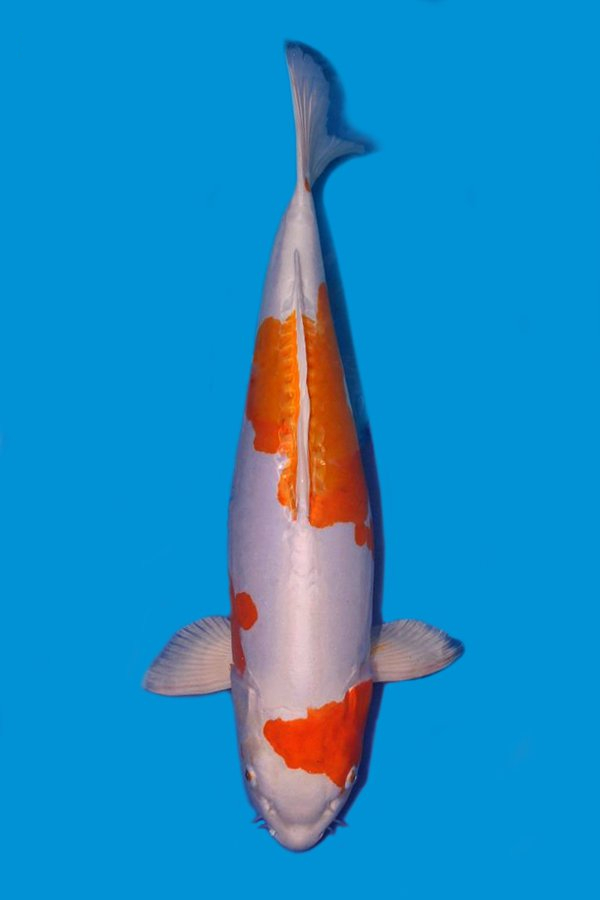
Tefun Koi Introduction: Bred by crossing Hikarimuji koi of different colors, Hikarimuji being single-colored metallic koi, Tefun koi have no black markings, and their scales are made up of two other colors, making them a glowing koi. The glowing effect is very obvious under light, and can also be seen when observing the head of the koi.
-
What are the "Big Three" and the "Big Four" Japanese koi varieties? WWD Fish Notes
After koi were made a viral sensation on Taobao last year, koi, after lying quiet for many years, have slowly returned to the public eye. What we call koi generally refers to Japanese koi with distinct characteristics, also known as KOI, while varieties with color that is not vivid are called "local cannons." In other words,
-

-
条件筛选