Detailed Guide to Black Peanut Cultivation Techniques and Management Methods
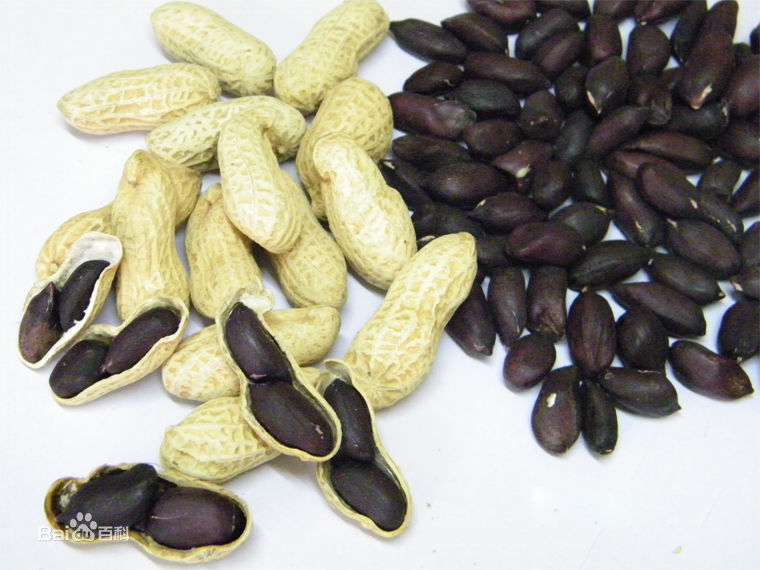
Black peanut is a type of colored peanut. Black peanut, also known as selenium-enriched black peanut, black-seeded peanut. Black peanut is a new variety containing calcium, potassium, copper, zinc, iron, selenium, manganese and 8 vitamins and 19 kinds of amino acids and other nutrients required by the human body, and is also rich in trace elements such as selenium, iron and zinc as well as melanin. Compared with red peanut, black peanut has 5% higher crude protein content, 23.9% higher arginine content, 19% higher potassium content, 48% higher zinc content and 101% higher selenium content. The black peanut seed is oblong and purple-black. It is a nutrition-and-health-type peanut variety with a growth period of about 130 days, large-pod type, and a 100-pod weight of about 250 grams. It can be planted in spring or sown in summer.
Cultivation Techniques
1. Black peanut is not strict about soil requirements. It is suitable for planting in various soils with a pH value of 5.5-7.2, and is best planted in soil with a deep soil layer, active plow layer, good soil properties and good drainage.
2. The plot for planting black peanut should be deep plowed 25-30 cm, and combined with winter plowing, 2500-3000 kg of farmyard manure should be applied per mu. In the following year at the Spring Equinox, begin shallow plowing 10-13 cm. Plowing should be followed by harrowing to preserve soil moisture. When the soil temperature at a depth of 5 cm is stable above 15°C, sowing can begin. Before sowing, seed dressing with chemicals should be carried out: 100 grams of 50% phoxim mixed with 50 kg of seeds can prevent insect pests; 150-250 grams of 40%-50% carbendazim mixed with 50 kg of seeds can control stem rot.
3. Black peanut requires ridge planting. Ridge planting allows the planted peanut to receive light on three sides, which can increase soil temperature and benefit peanut growth and development. Single-row sowing, with a plant spacing of about 20 cm; when forming ridges, apply 50-100 kg of peanut special fertilizer per mu. According to soil conditions, plant 8000-11000 plants per mu. It is best to adopt the method of plastic film mulching for planting.
4. Within 1-2 days after peanut sowing, soil sealing and weeding should be carried out. Generally, herbicides can be used.
5. For seedling stage management, aphids, cotton bollworms, red spiders, etc. should be controlled in time. For pests, prevention should be the main approach, spraying fungicidal and antiviral agents such as carbendazim and mancozeb 1-2 times per month.
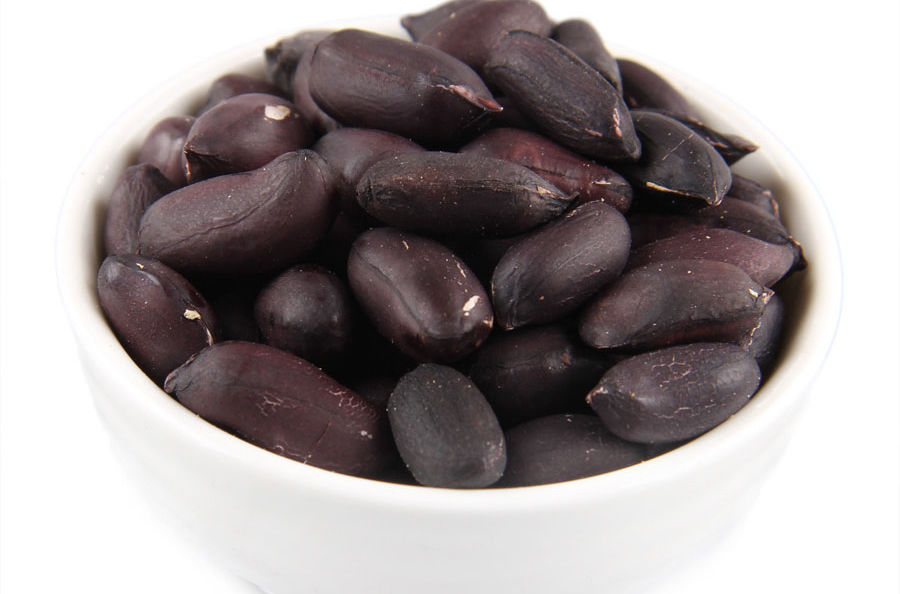
The advantage of black peanut lies in its special nutrition. It has extraordinary effects in maintaining human growth and development, body immunity, and cardiovascular and cerebrovascular health care, and has effects such as preventing cancer, protecting the liver, protecting myocardial health, preventing cardiovascular and cerebrovascular diseases, enhancing human immunity, removing excess fat from the human body, and antioxidant and anti-aging effects. Black peanut has broad prospects in health food and medical food, and is a kind of black food with great development potential.