8 Types of Traditional Japanese Seasonings, Including Kombu Soy Sauce, and Recipes
Japan has many unique seasonings, and among them, "soy sauce" is indispensable in cooking. Japanese people use different soy sauces for different dishes. This article introduces 8 types of soy sauce and how to use them. "I want to try Japanese cuisine" is why many people visit
Japan has many unique seasonings, and among them, "soy sauce" is indispensable in cooking. Japanese people use different soy sauces for different dishes. This article introduces 8 types of soy sauce and how to use them.
"I want to try Japanese cuisine" is the reason many people visit Japan. The reason Japanese cuisine is so delicious is related to its many unique seasonings.
Among them, the traditional seasoning "soy sauce" is indispensable when making Japanese cuisine. It is now easy to buy in supermarkets overseas, so it should already be a fairly familiar seasoning to people in other countries!
After mixing soybeans and wheat and fermenting them, salt is added to make "soy sauce mash," and the liquid pressed out from it is "soy sauce." Because it is more fragrant than salt and combines sourness, sweetness, and bitterness for a complex flavor, it is used in all kinds of Japanese dishes. Each region of Japan also adjusts the production method and the ratio of ingredients, creating a wide variety of unique "soy sauces."
The English word for "soy sauce" is "soy sauce," so some people pour it generously over dishes like a French cuisine sauce. However, "soy sauce" is a seasoning, not a sauce, and its salt content is quite high, so consuming a large amount is bad for your health. Please use it in moderation!
There are many kinds of "soy sauce," and Japanese people use different "soy sauces" depending on the dish they want to make or the food they want to eat. Below, we introduce Japan's "soy sauce" types, soy sauce processed products, and recipes.
1. Koikuchi soy sauce
80% of the soy sauce made in Japan is "koikuchi soy sauce," and it is also the type most often used in Japanese cooking. Although some product labels do not say "koikuchi soy sauce (こいくちしょうゆ)," most products sold in supermarkets are "koikuchi soy sauce." Since its salt content is about 1/6 that of salt, it can be used together with salt when cooking. Unlike salt, it colors ingredients brown, and its sweetness has more depth, with a slight bitterness.
2. Usukuchi soy sauce
"Usukuchi soy sauce" is mainly used in Japan's Kansai region, especially when you want the color of ingredients to look more appetizing. "Usukuchi soy sauce" does not mean it tastes lighter; it means its color and aroma are lighter and more elegant. In fact, its salt content is 2% higher than that of "koikuchi soy sauce," so be especially careful not to add too much. It can be used when boiling brightly colored vegetables or making the lighter-colored Kansai-style udon broth, but it is not recommended as a dipping sauce or drizzle.
*Udon broth is darker in Kanto and lighter in Kansai, but this is unrelated to whether the taste is salty or mild.
3. White soy sauce
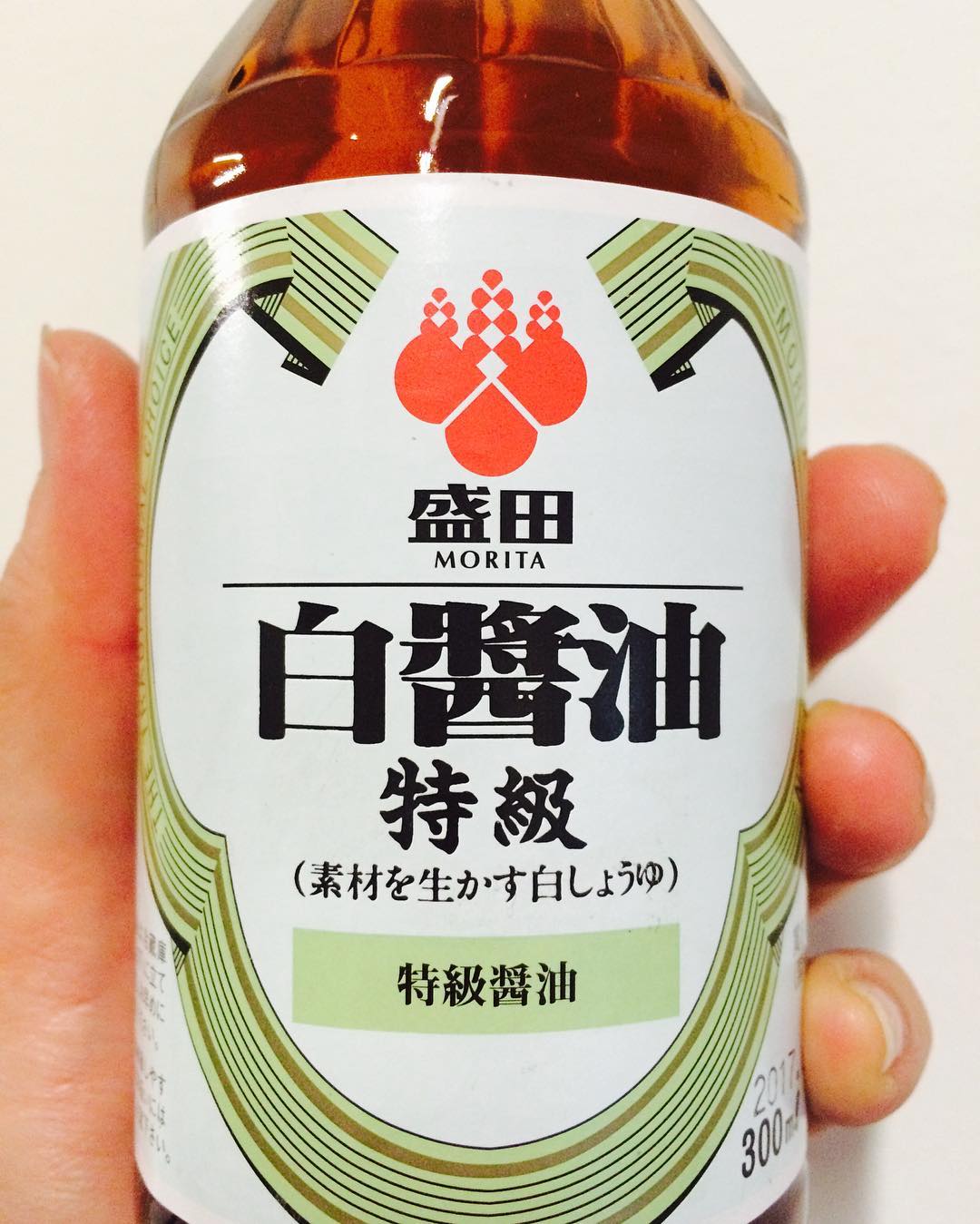
"White soy sauce" is lighter in color than "usukuchi soy sauce," and when added to dishes, the color of the ingredients hardly changes. Its salt content is about the same as "usukuchi soy sauce," and it is not as sweet and mellow as "koikuchi soy sauce," so it is better suited for adding flavor to soups.
4. Reduced-salt soy sauce
"Reduced-salt soy sauce," made using a special method, has only half the salt of "koikuchi soy sauce," making it suitable for people who need to control their dietary salt intake due to illness or other reasons. Because its sweet and mellow flavor is almost the same as "koikuchi soy sauce," more and more people in health-conscious Japan have recently been using "reduced-salt soy sauce." It is used the same way as "koikuchi soy sauce," and the taste is the same too!
⟦NL>
In addition, commercially sold "koikuchi spray" (as shown) has become very popular in Japan in recent years. It lets you control the amount of soy sauce while cooking and can also achieve a "reduced-salt" effect.
5. Tamari soy sauce
"Tamari soy sauce" is characterized by being made almost entirely from soybeans through aging, so it is thick and has a unique mellow sweetness. When eating sashimi or sushi at a restaurant, "tamari soy sauce" is often placed on the table; after heating, it turns a beautiful reddish brown, so it is also a soy sauce often used for teriyaki dishes and grilled rice crackers. Marinate sashimi in "tamari soy sauce" and mirin (1:1) for about 10 minutes, then sprinkle on condiments to taste, and finally place it over steaming hot white rice to enjoy. It is very delicious!
6. Kanro soy sauce
"Kanro soy sauce" is characterized by a production method in which fresh soy sauce already made with salt is used instead of adding salt water, and then it is brewed again; in Japanese it is called "saishikomi shoyu." Because it is dark and thick, even a small amount added to a dish makes it delicious, so it is often served with sashimi or placed on restaurant tables for customers to use. Because production across Japan is low, it is not easy to find in supermarkets. However, it can be ordered directly from manufacturers online, so enthusiasts who really like "kanro soy sauce" make a special point of buying it online.
7. Kombu or bonito-flavored tsuyu
Written in Japanese as "つゆ (tsuyu)," "tsuyu" is the base liquid used to make the "dipping sauce" for boiled soba or udon. It is a "processed soy sauce seasoning" made by adding "dashi" made from bonito flakes or kombu and "mirin" to soy sauce. It cannot be eaten directly and should be diluted with cold or hot water to make "dipping sauce." It is delicious not only with soba and udon but also poured over tempura!
*Japanese-imported "tsuyu" seen in Taiwan, China, is mostly translated as "soy sauce essence," but it is not completely the same as "soy sauce essence" produced in Taiwan, China (definitions by Taiwanese manufacturers are also vague). In Japan, "tsuyu" and "soy sauce" do not belong to the same category, and "tsuyu" is not used as "soy sauce"! So when buying in Taiwan, China, please look for the word "つゆ" on the bottle, which indicates "tsuyu."
8. Soy sauce specially for raw egg over rice
Do you know that Japanese people eat "raw egg over rice"? Mixing a raw egg with steaming hot white rice is a uniquely Japanese way of eating. Although pouring "koikuchi soy sauce" over it is also delicious, this soy sauce specially adjusted and made for "raw egg over rice" is even more delicious! Recently, many soy sauces specially processed and blended for a certain dish or snack are also sold on the market!