-

What is the difference between kombu and kelp? How much was dried kelp per jin in 2019?
As a relatively economical and easy-to-obtain seafood, kelp is naturally sought after by consumers, especially with its crisp and refreshing flavor. Kombu and kelp look extremely similar. In China, everyone knows kelp; in Japan, everyone knows kombu. So, what is the difference between kombu and
-
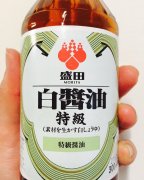
8 Types of Traditional Japanese Seasonings, Including Kombu Soy Sauce, and Recipes
Japan has many unique seasonings, and among them, "soy sauce" is indispensable in cooking. Japanese people use different soy sauces for different dishes. This article introduces 8 types of soy sauce and how to use them. "I want to try Japanese cuisine" is why many people visit
-
Feeding chickens with kombucha helps increase egg production
In the process of raising chickens, the author once used kombucha liquid to mix feed for laying hens and achieved obvious results. The laying rate reached over 95%, which was 15% higher than the original mixing with clean water, and the eggs laid were also larger than before. Preparation of kombucha liquid: Put an appropriate amount of tea leaves and white sugar into a teapot, then brew with boiling water. After it cools, use it as a culture medium to inoculate (soak) the kombucha starter. After 3 to 5 days, it becomes kombucha liquid. Mix it into the compound powder feed at a dosage of 2 milliliters per chicken per day and it can be fed. Using kombucha liquid
-
How to Cultivate Kombucha at Home? Detailed Method and Steps
Kombucha is a symbiotic culture of yeast, acetic acid bacteria, and lactic acid bacteria, commonly known as Haibao or Weibao. It is a microbial fermented beverage made from sweetened tea. It tastes sweet and sour, like lemon juice or bayberry juice. Regular consumption can prevent and treat more than 20 diseases including gastrointestinal disorders, and it has three major benefits: strengthening the body, prolonging life, and beautifying the skin. It is a pure natural health drink. If you cultivate kombucha for sale, it is a good project with small investment, large profit, and simple technology. Here is a brief introduction on how to cultivate kombucha at home: 1. Selection of culture containers. For cultivating kombucha, it is best to use
-
How do you cultivate kombucha at home? A detailed guide to home cultivation techniques
Kombucha is a symbiotic culture of yeast, acetic acid bacteria and lactic acid bacteria, a fermented beverage made by culturing the starter in sweetened tea. It tastes sweet and sour, like lemon juice or sour plum drink. Regular consumption can help prevent and treat gastrointestinal disorders, high blood pressure, arteriosclerosis and coronary heart disease, making it a purely natural health beverage. Its home cultivation technique is as follows. 1. Material preparation. A wide-mouth glass jar (capacity depending on how much you drink), tweezers, cotton gauze, tea leaves (not moldy or spoiled), sugar (white sugar, glucose, rock sugar or honey all work), and clean drinking water. 2.
条件筛选