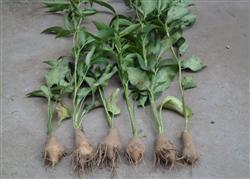
Planting Atractylodes macrocephala seeds: focus on seed soaking, sprouting and seedling management
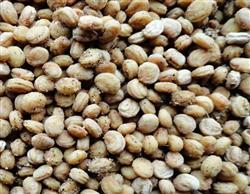
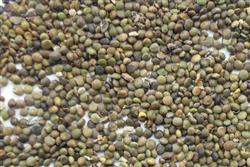
Atractylodes macrocephala (baizhu) is a commonly used Chinese medicinal herb. In production, it is usually grown by raising seedlings from seed and then transplanting them, and the seed-growing stage directly affects the emergence rate and later growth. Atractylodes macrocephala seeds should not be stored for long; when kept too long, their germination ability tends to decline, so before sowing you should select new seeds harvested in the current year that are plump, and remove shriveled and moldy grains.
Before sowing, the seeds can first be sun-dried and screened, then soaked in warm water so the seed coat absorbs water fully and softens; after scooping them out, keep them moist to promote sprouting, and sow once some seeds show white tips. Some growers sow dry seeds directly, but emergence is slower and uniformity is somewhat poorer.
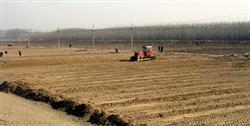
Atractylodes macrocephala seeds are mostly sown in spring after temperatures steadily rise, either in drills or by broadcasting, with drilling making later management easier. The soil covering should not be too deep, just enough to cover the seeds; after sowing, keep the soil moist and water appropriately during drought, but never let water accumulate, to avoid seed rot.
After emergence, thin the seedlings in time, pull out weak and diseased seedlings, and maintain a reasonable density. Fertilization at the seedling stage should be light, avoiding excessive nitrogen that causes spindly growth, and pay attention to drainage after rain. Atractylodes macrocephala seedlings are prone to diseases such as damping-off, which can be prevented by crop rotation, promptly removing diseased plants, and keeping ventilation good and humidity low; once strong seedlings are raised, transplant them into the field and carry out topdressing and disease control by conventional methods.
Related Reading