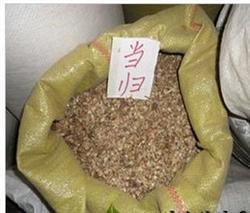
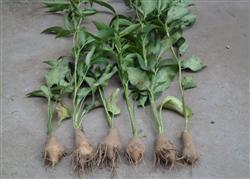
For Atractylodes macrocephala seeds, it is best to choose fresh seed; soaking the seed before sowing helps with emergence.
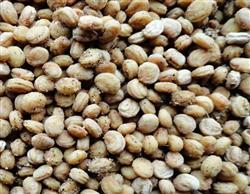
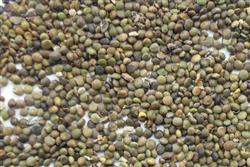
Atractylodes macrocephala seed is the seed used to propagate the Chinese medicinal herb Atractylodes macrocephala. Atractylodes macrocephala is a perennial herb in the Asteraceae family, genus Atractylodes, and its rhizome is used as medicine. In production it is mainly propagated by seed, generally by first raising seedlings to grow planting stock and then transplanting them to the field, usually requiring a cultivation cycle of about two years. In appearance, the fruit of Atractylodes macrocephala is an achene, and the seed is flat and oblong, yellow-brown on the surface and covered with fine hairs. The seed does not live long, and if stored too long the germination rate drops noticeably, so for sowing it is best to choose fresh seed harvested in the current year that is plump; using old seed often results in uneven emergence. Before sowing, the seed can be soaked in warm water for a period, removed and dried slightly, then sown; if conditions permit, pregermination can improve the uniformity of emergence. It is mostly sown in drills or broadcast after the ground temperature rises in spring, and the soil covering should not be too thick. Keep the soil moist before and after emergence, and during the seedling stage carry out thinning, weeding and disease prevention well. Seed quality affects the later growth and rhizome yield of Atractylodes macrocephala, so when saving seed, choose a plot with robust plants and no pests or diseases. Many growers encounter the problem of a low germination rate; besides old seed, sowing too deep, dry soil or waterlogging can also affect emergence, so multiple steps from seed selection to field management must be checked together.
Related reading