Action Characteristics and Safe Use Points of Fluoroglycofen-ethyl
Fluoroglycofen-ethyl is a diphenyl ether selective herbicide and belongs to the contact-type stem-and-leaf treatment agents. It mainly works by inhibiting protoporphyrinogen oxidase in weeds, destroying cell membrane structure, causing weeds to lose water rapidly, become scorched and wither to death. The agent is absorbed mainly through the leaves and persists only a short time in the soil, so it is mostly used for early post-emergence control of annual broadleaf weeds.
In terms of control characteristics, fluoroglycofen-ethyl acts quickly; shortly after application, scorch-like necrotic spots appear on the weed leaves, which then gradually die off, and it works fairly well against broadleaf weeds at the young and tender stage. It has good selectivity for grass-family crops and is often used in wheat-type crop fields to control common broadleaf weeds such as flixweed, shepherd's purse, cleavers, lambsquarters and smartweed; the specific control spectrum is subject to the product registration information.
When using it, pay attention to the formulation type and the water used. Common formulations include emulsifiable concentrate, emulsion in water and wettable powder; the dosage of different formulations varies with the weed spectrum, seedling age and climatic conditions, so it should be prepared strictly according to the label instructions, and the dosage must not be increased at will. Spraying should be even and thorough, because contact-type agents work by contact, and weeds in missed spots are hard to reach with the agent. For preparing the spray, clean soft water is preferable; hard water or turbid water may affect the stability of the solution and its efficacy.
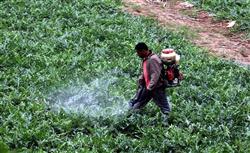
Apply the agent in windless, clear and fine weather to avoid drift of the spray liquid onto nearby sensitive crops and causing phytotoxicity. Under low temperature, drought or weak crop growth, crop tolerance declines, so use should be cautious or adverse conditions avoided. Take personal protective measures during application, and promptly clean the equipment and skin afterwards. If it needs to be mixed with insecticides, fungicides or other herbicides, first confirm compatibility, and preferably verify it through a small-area trial before expanding use, so as to ensure safety and efficacy.
Related Reading