Characteristics and Precautions of Clethodim Herbicide
Clethodim is a systemic, translaminar post-emergence herbicide belonging to the cyclohexenone class of compounds. It is mainly used to control grass weeds, while being relatively safe for most broadleaf crops, so it is widely used in rapeseed, soybean, cotton, peanut and various broadleaf vegetable fields.
In terms of its mode of action, after the herbicide is sprayed onto the stems and leaves of weeds, it is rapidly absorbed and translocated to the roots and growing points; by inhibiting the activity of acetyl-CoA carboxylase, it blocks normal fatty acid synthesis, causing the weeds to gradually stop growing, the young leaves to become chlorotic, and eventually the whole plant to die. It gives good control of annual grass weeds such as crabgrass, foxtail and goosegrass, and also has a certain controlling effect on perennial grasses such as bermudagrass.
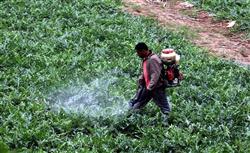
For application, it is generally best to spray after the weeds have emerged and are at the seedling to vigorous growth stage, when the weeds have strong absorption and translocation capacity and the effect is more ideal. Under drought, low temperature or when weed growth is inhibited, efficacy often declines, so these adverse conditions should be avoided as far as possible. When diluting with water, clean soft water should be used, the spray solution should be prepared just before use, and spraying should be even and thorough so that the weed leaves are fully covered with the solution.
It should be noted that clethodim can only control grass weeds and is basically ineffective against broadleaf weeds; if both need to be controlled, it can be used in combination with other agents under the guidance of technical personnel. When spraying, prevent the solution from drifting to adjacent wheat, rice, corn and other grass crop fields to avoid phytotoxicity. At the same time, take personal protective measures, and store leftover herbicide sealed in a cool, dry place, away from food and feed.
Related Reading