Features of Meizhi Fungicide and Key Points for Disease Control and Application
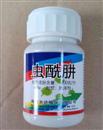
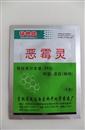
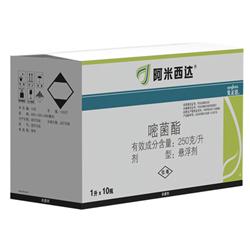
Meizhi is a fungicide used in agricultural production. As its name suggests, it mainly targets fungal mold diseases in crops, such as gray mold, powdery mildew, downy mildew and other common fungal diseases. These diseases occur relatively commonly in greenhouses and in high-temperature, high-humidity environments, and if not controlled in time, they can spread rapidly and affect crop yield and quality.
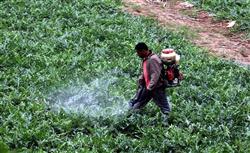
Meizhi is generally applied by spraying. Before application, the product should be diluted with clean water to the specified concentration according to the product label instructions. When mixing, it is recommended to first prepare a stock solution in a small container, then pour it into the sprayer for secondary dilution so that the solution is more evenly mixed. At the same time, attention should be paid to the influence of water quality. Try to use soft water for mixing and avoid hard water with many impurities, so as not to affect the stability of the solution and its spreading effect.
The timing of application is very critical. For mold diseases, prevention is important. Usually, applying the fungicide at the early stage of disease onset or before continuous rainy and high-humidity weather arrives gives better results. When spraying, it should be done evenly and thoroughly, with special attention to the underside of leaves and the middle and lower parts of the plant, which are prone to disease. To delay the development of resistance in pathogens, it is recommended to rotate Meizhi with other fungicides that have different mechanisms of action, and avoid using a single product for a long time.
When using Meizhi, personal protection should be taken, such as wearing gloves and a mask, to avoid contact of the solution with skin and eyes. After application, the pre-harvest interval must be observed, and use should be stopped according to regulations before harvest. Residual solution and packaging should also be properly disposed of. The specific use concentration, frequency and range of applicable crops should be based on the product label instructions or the guidance of the local agricultural technical department.
Related Reading