Chlorpyrifos is a broad-spectrum organophosphate insecticide, and its prohibited uses must be noted when applying it
Chlorpyrifos is a broad-spectrum organophosphate insecticide that was once widely used in agricultural production for a long time. It combines contact poisoning, stomach poisoning and a certain fumigant action, and has a relatively broad insecticidal spectrum, giving good control results against many pests such as stem borers, aphids and planthoppers. In the past it was commonly used for pest control on crops such as rice, fruit trees and cotton.
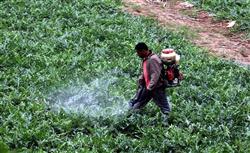
In terms of formulation, chlorpyrifos is commonly available as emulsifiable concentrate, granules and so on, and the methods of use differ among formulations. Granules are mostly broadcast directly, while emulsifiable concentrates generally need to be diluted with water and sprayed. When applying, the product should be diluted according to the label instructions, and the concentration and dosage should not be increased at will, so as to avoid phytotoxicity or heavier residues.
Particular attention should be paid to the fact that the residue problem of chlorpyrifos is relatively prominent, and China has explicitly banned its use on vegetables, with some uses also subject to corresponding restrictions. When purchasing pesticides, growers should carefully check the registered crops and target pests, and must not arbitrarily extend the use of a product registered only for certain crops to vegetables.
Chlorpyrifos is highly toxic to bees, silkworms and aquatic organisms. When applying it, avoid the active period of bee colonies and stay away from mulberry fields, fish ponds and rivers to prevent pollution caused by spray drift. During handling, protective equipment such as gloves and masks should be worn, and skin and clothing should be washed promptly after application. Leftover pesticide should be stored sealed in a cool, dry place, away from food and feed, to ensure safe use.
Related reading