Herbicides Come in Many Types: Only Scientific Use Ensures Safe Weed Control
Herbicides are pesticides used to prevent or control weed growth, also known as weedkillers. They can interfere with the normal physiological activities of weeds, for example by inhibiting photosynthesis, disrupting respiratory metabolism or upsetting hormone balance, causing weeds to gradually wither and die, thereby reducing the competition between weeds and crops for water, nutrients, light and space.
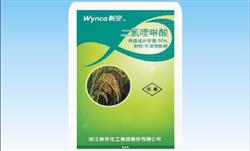
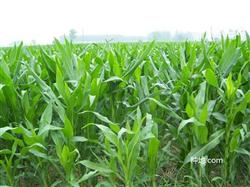
According to their range of action, herbicides can be divided into two major categories: non-selective and selective. Non-selective herbicides do not distinguish between weeds and crop seedlings and are mostly used on field ridges, between orchard rows or for clearing the field before sowing; selective herbicides are only effective against specific weeds and can protect crops while killing weeds, and field crops such as corn commonly use these more targeted agents.
According to their mode of action, herbicides are further divided into contact and systemic types. Contact types only kill the parts they touch and act relatively quickly; systemic types can be absorbed and transported within the plant, allowing the roots to be eliminated as well. Hormone-type herbicides are typical systemic agents, causing weeds to become deformed and die by disrupting plant hormones.
When using herbicides, the agent should be chosen accurately according to the crop species, weed type and growth stage, and the dosage and application timing should be strictly controlled. Spraying should be done in calm or lightly breezy weather, avoiding periods of high temperature, and when using chemicals in winter, attention should also be paid to the effect of low temperatures on efficacy. Long-term single use of the same agent easily induces weed resistance, and rotating chemicals helps delay this problem.
Residues of some herbicides may affect subsequent crops and the soil environment, and improper contact may also harm human health. After application, equipment and skin should be cleaned promptly, the safety interval should be observed, and measures to degrade residues should be taken when necessary, so as to balance weed control effectiveness with agricultural product safety.
Related Reading