Imidacloprid: A Detailed Guide to Its Effects, Application Methods and Precautions
Imidacloprid is a neonicotinoid systemic insecticide with both stomach-poison and contact action. It mainly kills pests by interfering with their nervous system and causing paralysis. It has a broad insecticidal spectrum, relatively high activity and a long residual effect, making it one of the most widely used insecticides in agricultural production.
In terms of target pests, imidacloprid is highly effective against piercing-sucking pests such as aphids, planthoppers, leafhoppers, thrips and whiteflies, and it also provides good control of some coleopteran pests and soil-dwelling pests. Its application methods are flexible, with spraying, seed dressing, root drenching and soil treatment being the most common; among these, seed dressing is used relatively often on crops such as wheat, corn and peanuts, as it protects the seedling stage from pest damage and also saves both labor and pesticide.
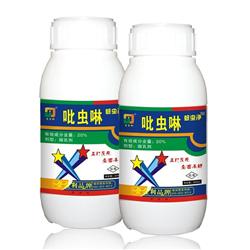
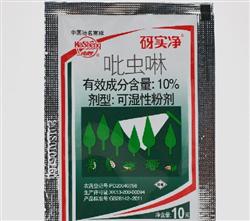
There are many imidacloprid product formulations on the market, commonly including wettable powders, suspension concentrates and seed-coating agents, and different formulations differ in content and application methods. When purchasing, you should choose the appropriate formulation according to the crop type and target pest, and carefully read the label instructions before use, operating at the specified concentration and by the specified method.
Several points need attention when using imidacloprid. It is highly toxic to bees, silkworms and aquatic organisms, so it should be used with caution or avoided during crop flowering periods, around mulberry fields and near aquaculture areas. At the same time, it should not be used alone over the long term; it should be rotated with pesticides that have different mechanisms of action to delay the development of resistance.
When applying the pesticide, take personal protective measures to avoid the spray solution contacting the skin, mouth and nose, and wash promptly after the work is finished. The pesticide should be stored in a cool, dry place out of the reach of children, must not be stored together with food or feed, and leftover spray solution and discarded packaging must also be properly disposed of.