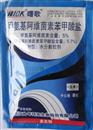
Characteristics and Application Methods of Benzene-Difenoconazole and Azoxystrobin Compound Fungicides
Benzene-difenoconazole and azoxystrobin is a compound fungicide made by mixing two active ingredients, difenoconazole and azoxystrobin, and it is often written on product labels as difenoconazole · azoxystrobin. The ratio and content of the two ingredients in commercially available products vary by manufacturer, and common formulations include suspension concentrates and water-dispersible granules. Because the two types of ingredients have different mechanisms of action, the compound has a relatively good complementary effect in controlling fungal diseases.
In terms of characteristics, azoxystrobin belongs to the strobilurin class of fungicides and mainly exerts its effect by inhibiting the respiration of pathogenic fungi, with a broad fungicidal spectrum and outstanding protective activity; difenoconazole belongs to the triazole class of fungicides and can interfere with the synthesis of ergosterol in pathogens, with relatively strong systemic therapeutic activity. When combined, the two have both protective and therapeutic effects, good systemic translocation, a relatively long duration of efficacy, and can delay the development of resistance to a certain extent.
In application, difenoconazole · azoxystrobin is mainly used to control various fungal diseases on many crops, such as anthracnose and Alternaria leaf spot on fruit trees, powdery mildew and leaf spot on vegetables, and rust on field crops. It is generally recommended to begin application before disease onset or at the early stage of disease, dilute with water according to the dilution ratio recommended on the product label, then spray evenly, focusing on the parts prone to disease, and pay attention to observing the pre-harvest interval.
When using it, also note that it should not be applied too many times on the same crop in one season, and it should be rotated with agents having different mechanisms of action to delay the development of resistance; avoid high-temperature periods when applying and take personal protective measures. The spray solution has certain toxicity to aquatic organisms, so when mixing the agent and cleaning equipment, keep away from water bodies such as fish ponds and rivers. The remaining agent should be sealed and stored in a cool, dry place, away from food and children.