The Role of Seed Treatment Agents and How to Use Them Correctly
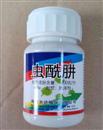
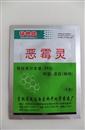
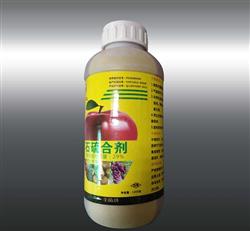
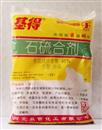
Seed treatment agents are a class of pesticide formulations used to treat seeds before sowing. When used, the product is mixed and stirred with the seeds in a set proportion so that a uniform film of the chemical adheres to the seed surface. They can kill or inhibit pathogens carried on the seeds themselves and protect the seedlings for a period after germination, reducing damage from soil-borne pathogens and underground pests.
According to their function and active ingredients, seed treatment agents can be broadly divided into fungicidal types, insecticidal types and fungicide-insecticide combination types, as well as functional products with added trace elements or plant growth regulators. Common formulations include wettable powders, suspension concentrates and seed coating agents, and different formulations differ in their emphasis on adhesion and duration of efficacy, so the choice should be made in light of the main local diseases and pests.
When using them, the dosage must be strictly controlled according to the instructions; after dilution with water, mix thoroughly with the seeds, spread them out to dry in the shade and then sow. It is not advisable to sow immediately after mixing. Before treating seeds, it is best to carry out a germination test first to prevent an excessive dose from affecting emergence; treated seeds must not be eaten or used as feed, leftover liquid and packaging must be properly disposed of, and gloves and other personal protection should be worn during handling.
It should also be noted that some seed treatment agents may cause phytotoxicity to seeds of certain crop varieties or under specific weather conditions, so it is advisable to conduct a small-scale trial before switching to a new product. Overall, seed treatment agents concentrate the pesticide, save labour and reduce the amount of chemical used, and are an important means of controlling seedling-stage diseases and pests and growing strong seedlings; they are relatively widely used before sowing crops such as wheat, corn and soybean.
Related Reading