An Overview of the Characteristics and Precautions for Use of Aolike Pesticide
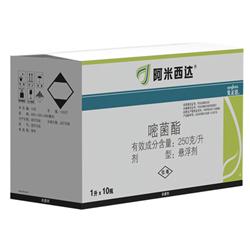
Aolike is one of the more common pesticide trade names in agricultural production, mostly used to control pests and diseases on fruit trees, vegetables and field crops. It should be noted that Aolike is a commercial brand name, and the active ingredients and their content registered by different manufacturers may not be the same. When purchasing, the ingredients, content and registered crops stated on the product label should be taken as the standard.
In terms of formulation type, Aolike products are commonly available as wettable powders, suspension concentrates and other formulations. A wettable powder, when mixed with water, can form a fairly uniform suspension and is suitable for spraying. When preparing it, it is best to first stir the agent into a paste with a small amount of water, then add the rest of the water, to avoid lumps and sediment. Powders and wettable powders look similar, but the former can be dusted directly while the latter must be mixed with water and sprayed, so the two must not be confused in use.
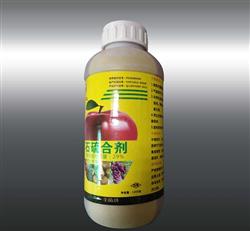
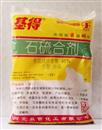
In terms of application, the quality of the water used for dilution has a considerable effect on efficacy. Hard water has a high content of calcium and magnesium ions, which may worsen the dispersion of some agents or even cause precipitation; where conditions allow, it is safer to give priority to soft water for mixing. At the same time, Aolike should not be mixed at will with strongly alkaline agents such as lime sulfur mixture, lest the agents react with each other, reducing efficacy or causing phytotoxicity; if mixing is truly necessary, a small-area test should be done first.
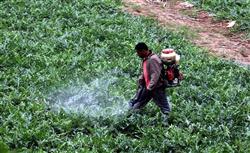
When applying the pesticide, follow the concentration and number of applications recommended on the label, do not increase the dose at will, and pay attention to the pre-harvest interval to ensure the food safety of agricultural products. To delay pest and disease resistance, it is recommended to rotate the use of agents of the same type; during application, take personal protective measures, avoid working during high-temperature periods, and properly handle leftover pesticide and packaging to avoid polluting the environment.
Related Reading