Key Technical Points for Winter Greenhouse Seedling Raising and Seedling-Stage Management Methods
Winter greenhouse seedling raising technology refers to a set of management methods for cultivating robust seedlings of vegetables, melons and fruits and other crops during the cold season by using greenhouse facilities to artificially regulate environmental conditions such as temperature, humidity and light. In winter, temperatures are low and light is weak, making it difficult to raise seedlings in the open field; with the help of greenhouse seedling raising, sowing can be done earlier, so that the seedlings reach a suitable seedling age when transplanted in early spring, laying the foundation for pursuing early maturity and high yield.
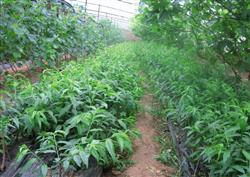
Before raising seedlings, varieties should first be selected and seeds treated. Most seeds are soaked in warm water or disinfected with chemicals before being sprouted, and they can be sown once the white radicals emerge. The seedbed is mostly set up in a well-lit section of the greenhouse; the bed soil should be loose, fertile and free of pathogens and insect eggs. Seedling raising can also be done using plug trays plus seedling substrate, which makes moving and management easier.
Temperature management is the key to winter seedling raising. Before emergence, a relatively high daytime temperature should be maintained to promote uniform emergence; after emergence, the temperature should be appropriately lowered to harden the seedlings and prevent excessive elongation. At night, attention should be paid to keeping warm, and multi-layer coverings such as straw mats, thermal blankets or small arch sheds can be added, with temporary heating provided during cold waves. At noon on sunny days, ventilation should be carried out to remove moisture and reduce the chance of disease; during consecutive cloudy days, the covers should also be appropriately opened during the day to let the seedlings receive light.
During the seedling stage, watering should be done in small amounts and more frequently, chosen for sunny mornings, to avoid overly wet bed soil that induces seedling-stage diseases such as damping-off and seedling blight. Topdressing should mainly be spraying dilute fertilizer solution, and the concentration should not be too high. About one week before transplanting, ventilation should be gradually increased and the temperature lowered to harden the seedlings, so that the seedlings adapt to the external environment and recover quickly after transplanting with a high survival rate.
Related Reading