Pig Farm Construction Requires Attention to Site Selection Planning and Environmentally Friendly Manure Treatment
Pig farm construction refers to the process of systematically planning and building a pig farm's site selection, functional layout, pig house structures, and supporting facilities such as water, electricity, and manure treatment, according to the scale of breeding, local climate, and environmental protection requirements. A rationally planned pig farm not only affects the healthy growth of the pigs, but also directly influences the efficiency and cost of day-to-day feeding and management.
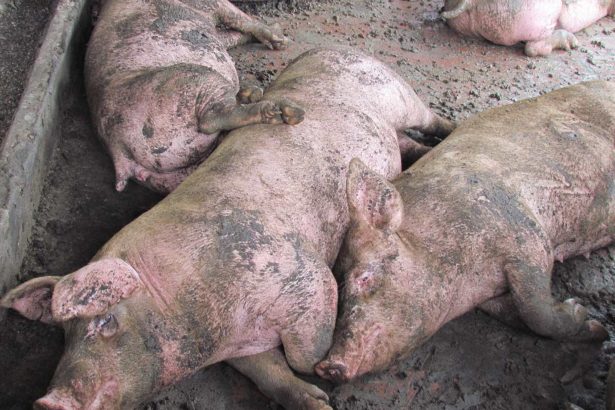
Site selection is the first step in pig farm construction. The site is generally required to be on relatively high ground with smooth drainage and good ventilation, and it should maintain an appropriate distance from residential areas, water sources, and major traffic roads, so as to reduce the risk of disease transmission and the impact on the surrounding environment. The water source is especially critical: both drinking water for the pigs and washing of the pens depend on a stable supply, and once the supply is insufficient, it not only affects growth but also gives rise to animal welfare problems. Therefore, ensuring water supply must be put in place at the planning stage.
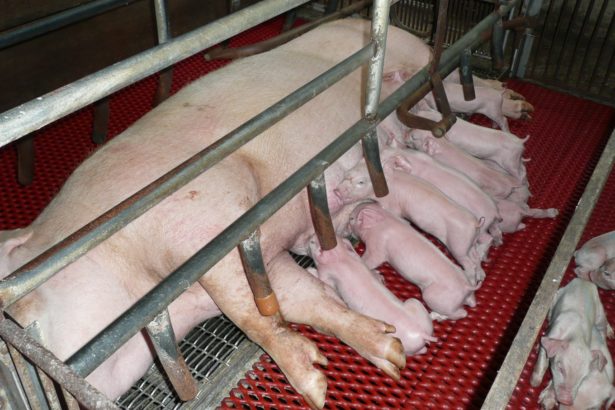
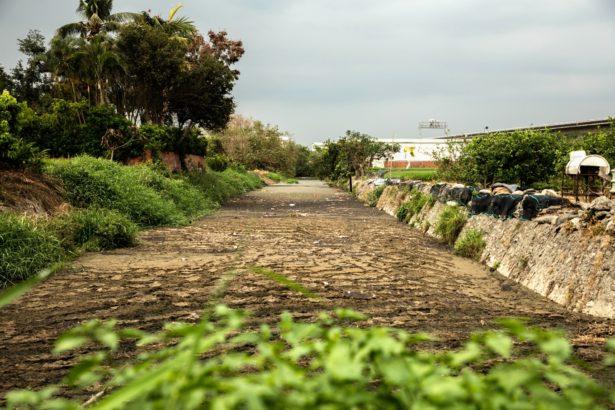
In terms of layout design, a pig farm is usually divided into a living and management area, a production area, and an isolation area, with appropriate spacing between the areas and separate clean and dirty roads. The pig houses must balance insulation, ventilation, and lighting; the floors should be easy to clean and disinfect; and enough space should be reserved for manure collection. Manure treatment is a key environmental protection concern. Common approaches include biogas fermentation and composting for return to the fields and other forms of resource utilization, which can effectively avoid the direct discharge of wastewater and reduce pollution of nearby rivers and farmland.
In addition, as consumers' demands for pork quality and safety continue to rise, many pig farms introduce standardized concepts from the very beginning of construction, keeping records throughout the entire process from feed procurement and the rearing process to slaughter and processing, so as to lay a solid foundation for traceability of the production and marketing record. Scientific and standardized construction is the first step toward the long-term stable operation of a pig farm.
Related Reading