What Forage Grass Is Best to Plant for Raising Sheep: A Guide to Common Forage Varieties
When planting forage grass for raising sheep, the core goal is to give the flock a sufficient supply of fresh green feed all year round. When choosing varieties, you generally need to take local climate, soil conditions, farming scale and intended use into overall consideration, looking at both grass yield and palatability and nutritional value.
Common forage grasses for sheep fall broadly into two categories: legumes and grasses. The legume group is represented by alfalfa (purple medic), which is rich in protein and highly palatable and has long been known as the king of forage grasses; there are also white clover and Chinese milk vetch. Grass-family forage includes ryegrass, Mexican corn grass, king grass, Sudan grass, sorghum-Sudan hybrid, and others, characterised by fast growth and high yields with a relatively higher fibre content.
Matching them by season is very important. Ryegrass, oat grass and similar species are fairly cold-tolerant and suit growth in autumn, winter and early spring; Mexican corn grass, king grass and Sudan grass like warmth and tolerate heat, and are the main source of green feed in summer. By planting cool-season and warm-season forage grasses together, you can basically achieve a year-round supply of green feed.
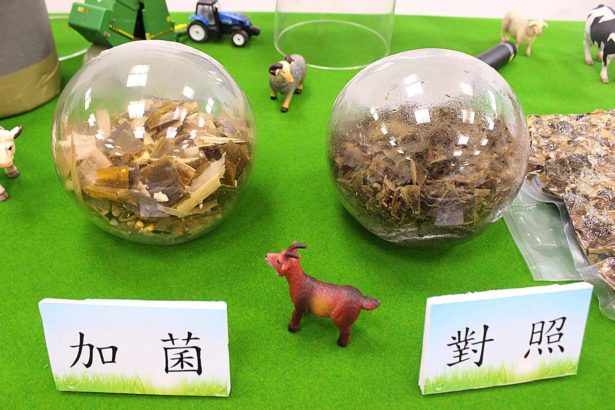
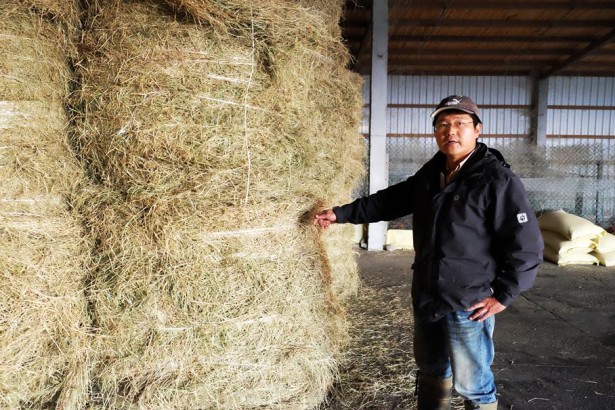
There are a few more points to note when planting and using them. Feeding too much fresh legume forage can easily cause bloating in a sheep's rumen, so it is best fed together with grass-family forage; Sudan grass and sorghum-Sudan hybrid contain hydrocyanic acid at the seedling stage or after frost, so they should be harvested only once the plants have grown to a certain height. After harvesting, the forage can be fed fresh, or dried into hay or ensiled for storage to balance the peak and slack seasons.
For sheep farmers, growing your own grass can clearly lower feed costs, and you can also adjust the feed structure according to the different growth stages of the sheep. By reasonably combining legume and grass-family forage and supplementing appropriately with concentrates, you can basically meet the daily nutritional needs of the flock.
Related Reading