Key Points for Corn Cultivation and Introduction to Common Varieties
Corn seed is the sowing material for corn, generally referring to seed that has undergone seed production, threshing, cleaning and coating before being used for field sowing. A qualified corn seed must have both a high germination rate and purity, and also adapt to the local climate and soil conditions; it is the first checkpoint determining corn yield and quality.
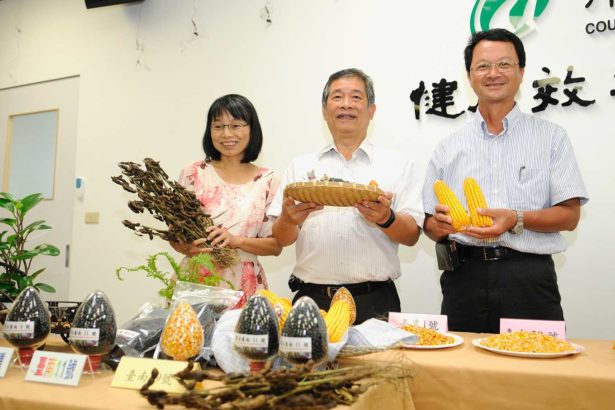
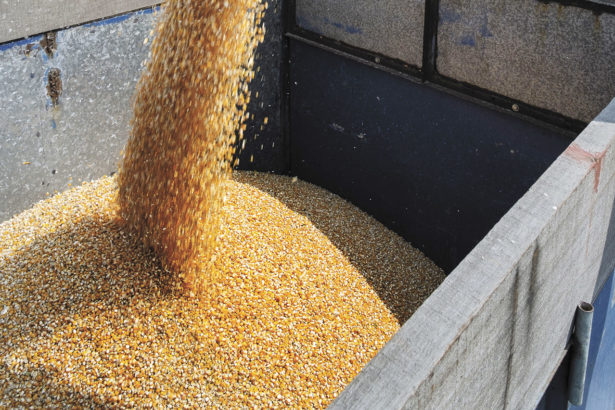
In terms of use, corn varieties can be broadly divided into three major categories: grain type, fresh-eating type and silage type. Flint corn for grain is mostly used as feed and processing material; fresh-eating corn includes sweet corn, waxy corn and others, with emphasis on taste and flavor; silage corn is harvested as a whole plant at the milk-ripe stage of the kernels and is mainly used to feed cattle, sheep and other livestock. Different types of corn seed differ noticeably in growth period, plant type and resistance, so before buying, you should first clarify your purpose for planting.
When selecting corn seed, it is recommended to give priority to varieties that have been approved and are suited to local ecological conditions, and to pay attention to the purity, germination rate and production information marked on the packaging. Before sowing, do a good job of sunning the seed, preparing the land and sowing at the right time; after emergence, thin and set the seedlings in time, plant at a reasonable density, and combine this with topdressing and water management, so that the seed's yield-increasing potential can be fully brought into play.
In recent years, the difference between GM and non-GM corn has attracted the attention of many growers and consumers, and when it is used for feed or processing, source management and sample retention systems have also received more attention. In addition, after harvest, both the grain and the seed kept for planting should be stored in a dry and ventilated environment to prevent moisture and mildew, so as not to affect the next season's planting and sales.
Related Reading