The Complete Guide to Fish: Understanding the Classification and Value of Freshwater and Saltwater Fish
Fish are cold-blooded vertebrates that live in water, breathe through gills, move by means of fins, and mostly have scales covering their bodies; they are one of the most species-rich groups of vertebrates. By habitat they can be broadly divided into two major categories, freshwater fish and saltwater fish, and the two differ noticeably in morphology, habits and salt tolerance.
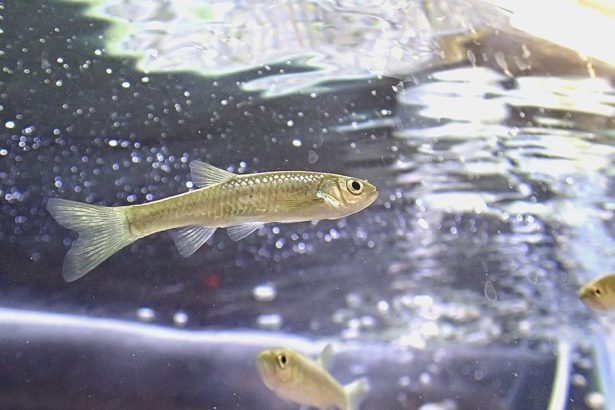
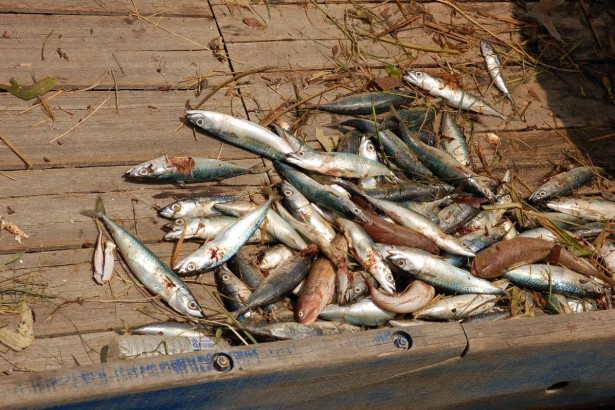
Common freshwater fish include carp, crucian carp, grass carp, silver carp and tilapia, widely distributed in rivers, lakes and aquaculture ponds; saltwater fish include mackerel, jack, sea bream and grouper, and quite a few species have migratory habits. There are also species sensitive to water quality, such as ayu and the fine-scaled carp, whose population changes are often used to judge whether a water environment is healthy.
Fish resources currently face multiple pressures. In freshwater, pollution, habitat destruction and invasive alien species have caused declines in some native fish populations, and the fish red lists of some regions have already listed ayu as regionally extinct and the fine-scaled carp as endangered; in the ocean, mid- and upper-water fish such as mackerel and jack are said to be overfished, causing ecological imbalance, and management measures such as fishing restrictions have therefore come under discussion.
In terms of applications, fish are an important source of high-quality animal protein, and the mainstay of aquaculture, recreational fishing and the ornamental market. In farming, attention must be paid to water quality control, disease prevention and biosecurity; for example, when fish are farmed together in the ponds of poultry farms, an outbreak of disease often requires them to be disposed of as well, showing the disease-control links between different types of farming. Understanding the various groups covered by a complete guide to fish helps strike a balance between resource use and ecological conservation.
Related reading