Complete Guide to the Prevention and Treatment of Swine Parasitic Diseases, a Must-Read for Pig Farmers
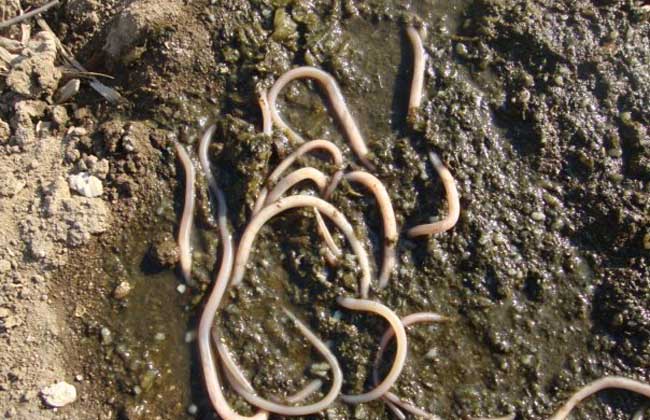
Pigs harbor a wide variety of parasites, including roundworms (Ascaris suum), sarcoptic mange mites, Trichuris suis (whipworm), lungworms, Toxoplasma gondii, coccidia, cysticerci, and Trichinella, but roundworms, coccidia, and Toxoplasma are the most common and cause relatively serious harm to pigs, often leading to reduced feed conversion rates, poor growth and development, and slow growth in pig herds. Let us take a look together at this complete guide to the prevention and treatment of swine parasitic diseases.
Swine Ascariasis (Roundworm Disease)
[Symptoms] Swine ascariasis is a nematode disease caused by Ascaris suum parasitizing the small intestine of pigs, mainly affecting piglets 3 to 6 months old. When adult worms are parasitic, the pigs show emaciation, anemia, and slow growth; when the number of roundworms is large, it causes intestinal obstruction and intestinal perforation, with corresponding symptoms. When larvae migrate to the lungs, they cause ascariasis pneumonia, with clinical signs of coughing, increased respiratory rate, elevated body temperature, reduced appetite, and listlessness.
[Prevention and Treatment] Strengthen the hygiene of pig pens and keep them clean. Deworm regularly; generally, pig farms deworm breeding herds twice a year in spring and autumn, and deworm weaned piglets once when they are moved between groups. Prepare a liquid using trichlorfon at a 1% concentration, and wash, spray, or sprinkle the affected areas once a day for 3 consecutive days.
Swine Coccidiosis
[Symptoms] Swine coccidiosis is seen only in piglets, often occurring in piglets 7 to 21 days old. The incidence rate can reach 50 to 75%. Generally, the mortality rate is not high, but it can sometimes reach 75%, and it is especially severe in warm, humid seasons. Adult pigs are carriers and are the source of transmission of this disease, usually showing a benign course. Common signs include poor appetite, diarrhea, and emaciation, generally lasting 4 to 6 days. The feces are liquid or pasty and yellowish-white, and blood in the stool is occasionally seen. Severe cases may die from dehydration.
[Prevention and Treatment] The main sources of infection for swine coccidiosis are sick pigs, carrier pigs, and contaminated premises. Therefore, prevention of this disease should adopt comprehensive measures of isolation → treatment → disinfection. Adult pigs are mostly carriers, so sows should be dewormed two months before farrowing; feces should be removed promptly, fermented, and disinfected; bedding should be replaced; and the environment should be disinfected so that sows give birth in a clean state. If sick pigs are found, they should be isolated immediately and actively treated.
Swine Toxoplasmosis
[Symptoms] Swine toxoplasmosis is very widely distributed, with reports from all over the country, and both the incidence rate and mortality rate of pigs in various places are very high. The incidence rate can be as high as more than 60%, and the mortality rate can be as high as 64%. Piglets weighing 10 to 50 kg are especially severely affected, mostly with an acute course. Sick pigs suddenly stop eating, and body temperature rises above 41°C, remaining elevated for 7 to 10 days. Breathing is rapid, with abdominal breathing or a dog-sitting posture, clear nasal discharge, and serous or purulent secretions in the eyes. Constipation often occurs, with pellet-like feces covered with mucus; some affected pigs develop diarrhea in the later stage of the disease, and urine is orange-yellow; a few vomit. Sick pigs are listless and markedly weak. Within a few days after onset, neurological symptoms appear, and the hind limbs become paralyzed. As the disease progresses, purplish-red patches or sometimes small hemorrhagic spots appear on the ear wings, nasal end, lower limbs, inner thighs, and lower abdomen. Some sick pigs form scabs on the ear shells, and dry necrosis occurs at the ear tips. Finally, they die from extreme respiratory difficulty and a sharp drop in body temperature. Pregnant pigs often abort or have stillbirths. Some develop retinochoroiditis, and even blindness. Some sick pigs survive the acute stage and turn chronic, with external symptoms disappearing and only slightly poorer appetite and spirit, finally becoming stunted pigs.
[Prevention and Treatment] Sulfonamides are mostly used to prevent and treat this disease. Per kilogram of body weight, sulfadiazine (SD) 70 mg and pyrimethamine 6 mg are used in combination, administered orally twice a day (double the first dose), for 3 to 5 consecutive days. Sulfamonomethoxine (SMM) 60 mg, intramuscular injection, once a day, for 3 to 5 consecutive days. Potentiated sulfamethoxypyridazine (containing 2% trimethoprim) 0.2 mL, intramuscular injection once a day, for 3 to 5 consecutive days. Sulfamethoxazole (SMZ) 100 mg, administered orally once a day, for 2 to 3 consecutive days. Cats must be kept away from pig pens, and keepers should also avoid contact with cats. Do not feed pigs raw minced meat.
Swine Sarcoptic Mange
[Symptoms] Swine sarcoptic mange occurs mostly in pigs under 5 months old. Sick pigs have itchy skin, and lesions often begin on the head, such as around the eyes and ears, then spread to the back, both sides of the trunk, and limbs. Due to the mechanical irritation and toxin effects of sarcoptic mange mites, sick pigs show intense itching and rub against pen posts, wall corners, feed troughs, stones, and other places. In affected areas, pig hair falls out, the skin thickens, becomes dry, and has dandruff, as well as forming wrinkles and fissures. When the course is prolonged and the condition is severe, appetite decreases, the pigs become listless, gradually emaciate, grow slowly or stop growing, become anemic, and may even die.
[Prevention and Treatment] Using a 2 to 4% trichlorfon solution to directly apply, spray, or use as a medicated bath once a week for 2 to 3 consecutive times has good effects. Use sulfur 50 g and cottonseed oil, peanut oil, or soybean oil 500 mL; first boil the cottonseed oil, then add the sulfur a little later, stir evenly, and apply to the affected areas. Use tobacco leaf powder or tobacco stems 1 part, add water 20 parts, boil for 1 hour, filter, and apply to the affected areas.