The Benefits and Characteristics of Yuanshen: A Common Chinese Herbal Medicine for Clearing Heat and Cooling Blood
Yuanshen is another name for Xuanshen (Scrophularia ningpoensis), the dried root of a perennial herb in the Scrophulariaceae family. It is mainly produced in Zhejiang, Sichuan, Hubei and other places. In the Qing Dynasty it was renamed Yuanshen to avoid a naming taboo, and among the public it is also called Heishen, Yezhima and other names. The plant has upright stems and opposite leaves, and bears small dark purple flowers in summer and autumn. Its underground root tuber is spindle-shaped, and the root is the part used as medicine.
In terms of appearance, the root surface of Yuanshen is grayish yellow or grayish brown, and the cut surface is black, oily and glossy, with a distinctive odor and a sweet, slightly bitter taste. In traditional Chinese medicine, it is considered slightly cold in nature and sweet, bitter and salty in taste, entering the lung, stomach and kidney meridians. It clears heat and cools the blood, nourishes yin and reduces fire, and resolves toxins and dissipates nodules. It is often used for vexing thirst in warm-heat diseases, sore and swollen throat, yin deficiency with constipation, and carbuncles, swelling and sores.
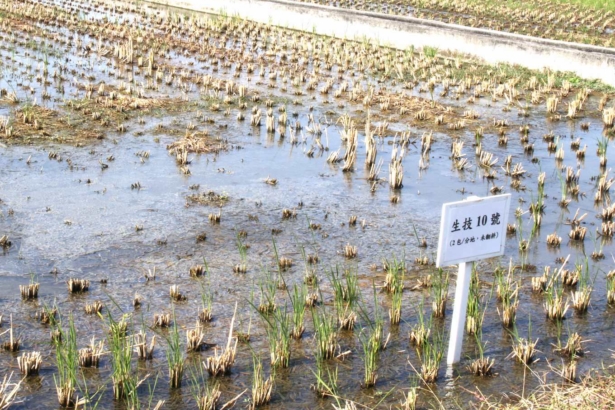
For cultivation, Yuanshen prefers a warm and humid climate and has fairly strong cold tolerance. It is best grown on deep, loose, fertile sandy loam with good drainage. In production, it is mostly propagated by rooted heads or daughter buds with buds. After spring planting, attention should be paid to intertillage and weeding, topdressing and drainage. After the aboveground parts wither in winter, the roots can be harvested. After digging them up, they are spread out to dry and repeatedly piled and sweated, and the fleshy roots gradually turn black.
It should be noted that Yuanshen is cold in nature, so people with deficiency-cold of the spleen and stomach, poor appetite and loose stools should not use much of it. Traditional compatibility also stresses that it should not be used together with Lilu (Veratrum). Whether it is suitable to take should be based on individual constitution, and it is best used under the guidance of a physician or pharmacist, avoiding long-term large-dose use on one's own.
Related Reading