Corn seed varieties are diverse in type, so seed selection should be combined with local conditions
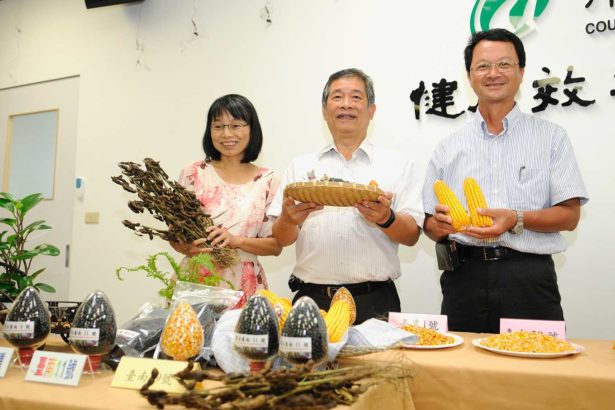
Corn seed varieties refer to types of corn seed that have been bred, approved or registered, with relatively stable genetic characteristics and fairly consistent morphological features. Classified by use and kernel traits, corn can broadly be divided into sweet corn, waxy corn, flint type, dent type, popcorn and silage fodder corn, and different categories differ markedly in taste, use and cultivation requirements.
Each type of variety has its own emphasis in growth period, disease resistance, stress tolerance and yield performance. Early-maturing varieties have a short growth period and are suitable for crop rotation or staggering sowing dates; late-maturing varieties grow for a longer time and usually have higher yield potential. Sweet corn and fruit corn are mainly for fresh eating, waxy corn has a soft and glutinous taste, flint and dent types are mostly used for grain processing and feed, while silage varieties are harvested whole-plant and used to feed livestock.
When selecting seeds, local climate, soil conditions and planting season should be taken into account, and priority should be given to varieties that have passed approval or registration and are adapted to the local ecological region. When buying seeds, pay attention to the variety name, purity, cleanliness, germination rate and seller information on the packaging, and try to buy through formal channels. Before sowing, the seeds may be properly sun-dried, selected and graded, and when using coated seeds, keep them away from moisture and store them properly.
At present, hybrids dominate production; the progeny of self-saved seed is prone to trait segregation, and population uniformity and yield will decline noticeably, so in most cases it is recommended to buy new seed each year. When planting different types of corn in the same area, a certain distance should also be maintained to prevent cross-pollination from affecting quality, and reasonable crop rotation should be combined to reduce the year-by-year buildup of pests and diseases.
Related Reading